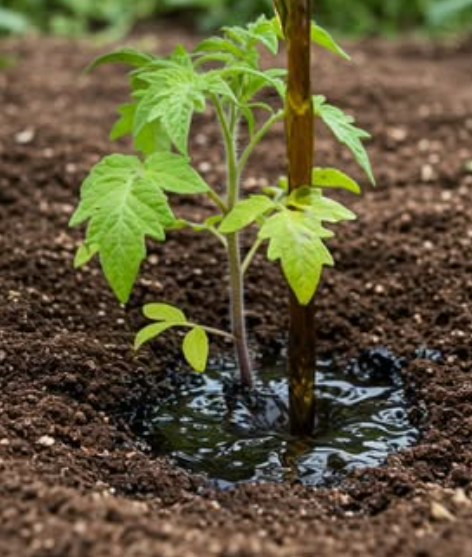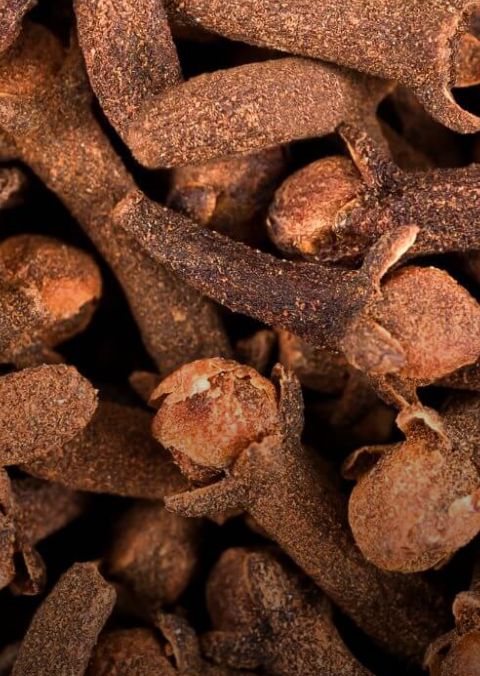
Stop Throwing Away Your Coffee! This Can Make Your Plants Grow Faster… My Grandma Showed Me How!
Every morning, millions of people toss used coffee grounds into the trash without a second thought. But what if that leftover coffee could quietly become one of the simplest tools for healthier, stronger plants?
For generations, home gardeners have reused kitchen scraps to enrich soil naturally. Long before store-bought fertilizers became common, simple habits like saving coffee grounds helped gardens thrive. This isn’t about dramatic overnight growth — it’s about steady, balanced nourishment that supports roots, soil life, and long-term plant health.
⸻
🌿 Why Used Coffee Grounds Help Plants
Used coffee grounds contain small amounts of nitrogen and valuable organic matter. More importantly, they improve soil texture and support beneficial microbes.
When used properly, coffee grounds can:
✔️ Add gentle nitrogen to soil
✔️ Improve soil structure over time
✔️ Encourage beneficial earthworms
✔️ Support microbial life
✔️ Reduce organic kitchen waste
It’s not a miracle solution — but it’s a smart, sustainable habit.
⸻
✨ Understanding How Coffee Affects Soil
Coffee grounds are often misunderstood. Fresh coffee is acidic, but used grounds are much closer to neutral. That means most plants can tolerate them when applied correctly.
Here’s what matters most:
• Use only used coffee grounds, not fresh
• Apply in thin layers
• Mix into soil instead of piling on top
• Combine with compost for best results
• Avoid overuse
Moderation is key. Too much can compact soil and limit airflow.
⸻
🥄 Step-by-Step Routine for Using Coffee Grounds
1. Collect Used Grounds
Let coffee grounds cool and dry slightly. Store them in a breathable container to prevent mold.
2. Mix with Compost
Combine grounds with other compost materials like dry leaves or vegetable scraps. This balances nutrients.
3. Apply Thinly
Sprinkle a light layer around the base of plants — no more than a thin dusting.
4. Gently Work into Soil
Lightly rake or mix into the top inch of soil to prevent crusting.
5. Water Normally
Resume your regular watering routine to help nutrients move into the soil.
6. Repeat Sparingly
Use once every few weeks during active growing seasons.
Slow improvement over time is the goal — not instant growth spurts.
⸻
📊 Plant Care Table — Using Coffee Grounds Safely
Factor | Ideal Setup | Why It Helps
Application Amount | Thin layer only | Prevents compaction
Frequency | Every 3–4 weeks | Avoids buildup
Plant Type | Leafy plants | Benefit from mild nitrogen
Soil Mix | Combined with compost | Improves balance
Moisture | Regular watering | Distributes nutrients
Drainage | Well-draining soil | Prevents soggy conditions
Proper use keeps soil healthy rather than overloaded.
⸻
❓ Plant Care FAQ (Garden Section)
1. Can coffee grounds replace fertilizer?
No, they supplement but don’t replace balanced feeding.
2. Which plants benefit most?
Leafy greens and many houseplants respond well.
3. Can I use coffee on all plants?
Avoid heavy use on seedlings and delicate roots.
4. Do coffee grounds repel pests?
Results vary; they’re not a guaranteed solution.
5. Can I put thick layers on top?
No, that can block water and air.
6. Should grounds be dry first?
Lightly dried helps prevent mold.
7. Are coffee grounds acidic?
Used grounds are near neutral.
8. Can I add them to potting soil?
Yes, mixed in small amounts.
9. Do worms like coffee grounds?
Yes, in moderation.
10. Can I use them indoors?
Yes, sparingly and well mixed.
⸻
🌿 Premium Indoor Styling Transition
Healthy plants don’t just improve air and mood — they elevate the atmosphere of a room. A thriving houseplant reflects care and intention, much like a thoughtfully styled interior space. Natural plant care techniques quietly support both wellness and design harmony.