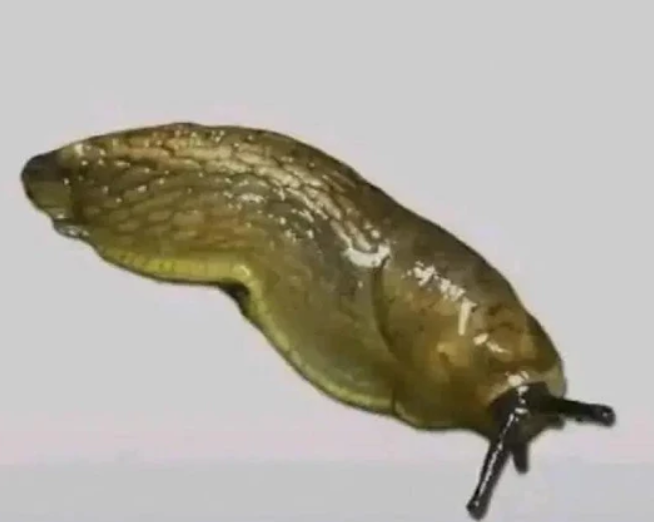
What It Really Means When a Slug Enters Your Home
You’re walking through the kitchen at night.
The light flicks on.
And there it is — a slow-moving slug, glistening across the floor.
Your first instinct?
“Ew — get it out!”
That reaction is completely normal. Slugs aren’t exactly welcome houseguests. They’re moist, slow, and unexpected. But before you grab a paper towel or reach for salt, it helps to pause for a moment and understand what’s actually happening.
A slug inside your home is not a curse. It’s not a sign of bad luck. It’s not an omen. And it’s not a health emergency.
It’s usually just an animal that wandered in by mistake — likely seeking moisture, shelter, or food.
And surprisingly, its presence may be telling you something useful about your home environment.
Why Do Slugs End Up Indoors?
Slugs are terrestrial mollusks that thrive in damp, shaded outdoor environments. You’ll typically find them in gardens, under mulch, beneath rocks, inside compost piles, or hiding under fallen leaves.
They prefer:
- Cool temperatures
- High humidity
- Moist soil
- Decaying plant matter
So why would one end up inside your home?
1. Heavy Rainfall
During extended rain, soil can become waterlogged. Slugs may be forced to move to higher or drier ground — which sometimes leads them toward foundations, patios, and eventually tiny entry gaps in homes.
2. Drought or Dry Conditions
Ironically, slugs also move indoors during dry spells. When outdoor moisture disappears, they search for new sources of dampness. Bathrooms, basements, laundry rooms, and kitchens can provide exactly what they need.
3. Cool, Humid Nights
Slugs are nocturnal. They travel mostly at night when humidity rises and temperatures drop. An open door, pet flap, or window gap during these conditions creates easy access.
4. Hidden in Potted Plants
Sometimes slugs don’t crawl in directly. They hitch a ride in soil when you bring potted plants indoors. They may stay hidden until nighttime, when they begin to explore.
5. Structural Entry Points
Even tiny gaps can allow entry:
- Cracks in foundations
- Spaces around plumbing
- Gaps under doors
- Unsealed vents
- Pet doors
If you’re seeing slugs indoors more than once, it may be worth inspecting these areas.
Are Slugs Dangerous?
In most cases, indoor slugs are harmless.
They do not:
- Bite humans
- Attack pets
- Infest furniture
- Live permanently indoors
However, there are a few important clarifications:
- Slugs can carry parasites in the wild, but transmission to humans indoors is extremely rare and typically requires ingestion.
- It’s wise to wash your hands after handling one.
- They may nibble on houseplants if accessible.
For most households, a slug sighting is unpleasant — not dangerous.
What a Slug Might Be Telling You About Your Home
While the slug itself isn’t a threat, it can signal environmental conditions worth checking.
1. Excess Moisture
Slugs are moisture-dependent. If one survives inside long enough to travel across your floor, your home may have higher humidity levels than expected.
Check for:
- Condensation on windows
- Musty odors
- Mold growth
- Poor ventilation
2. Hidden Entry Points
Frequent appearances may indicate gaps around plumbing or doors that need sealing.
3. Outdoor Habitat Near Foundations
Dense mulch, leaf piles, or stones directly against your home create ideal slug shelter. Reducing this habitat can decrease visits.
The Ecological Role of Slugs
Slugs may seem like pests, but ecologically, they’re important.
Nature’s Recyclers
Slugs feed primarily on:
- Decaying leaves
- Fungi
- Dead plant material
- Soft vegetation
By consuming decomposing matter, they help break it down into nutrients that return to the soil.
Without decomposers like slugs, forest floors would accumulate excessive debris.
Food Source for Wildlife
Slugs are prey for:
- Birds
- Frogs
- Hedgehogs
- Beetles
- Snakes
They are a small but essential link in many ecosystems.
The Science of Slug Mucus
Slug slime may look unpleasant, but biologically, it’s remarkable.
Mucus allows slugs to:
- Glide across rough surfaces
- Prevent dehydration
- Adhere to vertical structures
- Protect against pathogens
Some species produce adhesive mucus strong enough to resist water flow.
Researchers have studied slug-inspired adhesives for medical use — particularly in wet environments such as internal tissues. These biomimetic materials are being explored for surgical applications.
While this research is ongoing, it highlights how even small organisms can inspire technological innovation.
Common Myths About Slugs Indoors
“Slugs Lay Eggs in Your Sink”
False. Slugs lay eggs in moist soil, not plumbing systems.
“Slug Slime Is Poisonous”
Generally false. It’s safe to touch, though washing hands afterward is recommended.
“Seeing One Means an Infestation”
Usually not. Slugs require specific outdoor conditions to reproduce successfully.
“Salt Is the Best Solution”
Salt causes dehydration and death but is considered inhumane and unnecessary indoors.