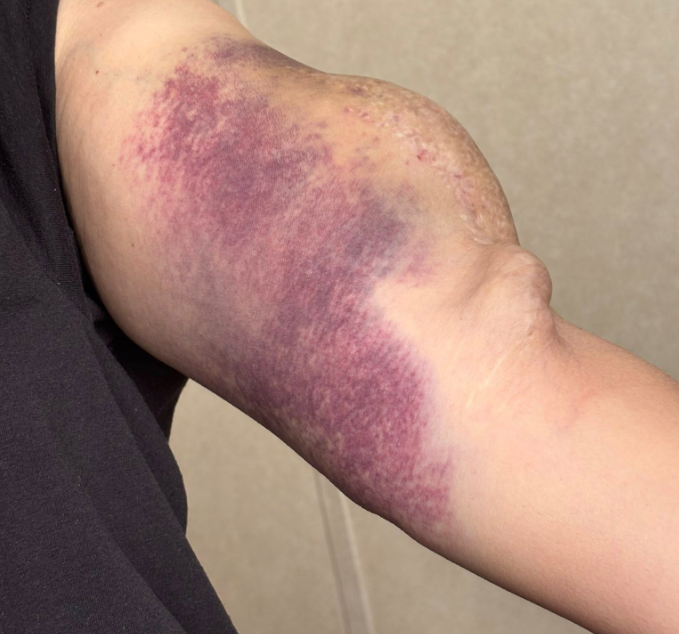
2. Clotting Disorders
Inherited conditions like hemophilia are rare, but other clotting abnormalities can develop later in life.
Warning signs may include:
- Large, deep bruises
- Bruises that appear without trauma
- Bleeding that takes a long time to stop
3. Vitamin Deficiencies
Vitamin C Deficiency
Severe deficiency (scurvy) can weaken blood vessel walls and lead to easy bruising.
Vitamin K Deficiency
Vitamin K is essential for clotting. Low levels can increase bleeding tendency.
These deficiencies are uncommon in developed countries but can occur with poor nutrition or absorption disorders.
4. Liver Disease
The liver produces clotting factors. If liver function is impaired, bruising may increase.
Other symptoms may include:
- Fatigue
- Jaundice (yellowing of skin/eyes)
- Abdominal swelling
- Dark urine
5. Blood Cancers (Rare but Serious)
Conditions such as leukemia can affect blood cell production.
Additional symptoms might include:
- Persistent fatigue
- Unexplained weight loss
- Frequent infections
- Night sweats
- Pale skin
It’s important to emphasize: these causes are rare compared to benign explanations.
🚨 When to See a Doctor
Schedule a medical evaluation if you notice:
- Bruises appearing frequently without injury
- Very large or painful bruises
- Bruising along with unusual bleeding
- Bruises that don’t improve after 2–3 weeks
- Sudden increase in bruising
- Bruising with fatigue, fever, or weight loss
Your doctor may recommend blood tests to check platelet counts, clotting factors, liver function, and vitamin levels.
🩺 What to Expect at a Doctor Visit
A typical evaluation may include:
- Review of medications and supplements
- Physical exam
- Complete blood count (CBC)
- Coagulation tests (PT, INR, aPTT)
- Liver function tests
In many cases, results are normal — and reassurance is all that’s needed.
💡 How to Reduce Minor Bruising
If bruising is mild and medically benign, these steps may help:
- Protect skin from trauma
- Use sunscreen to reduce sun damage
- Maintain a balanced diet rich in vitamin C and K
- Review medications with your doctor
- Stay physically active to support circulation
Applying a cold compress immediately after injury may also reduce bruise size.
🧘 Final Thoughts
Seeing unexplained bruises can feel alarming — especially when you don’t remember an injury.
But most bruising is harmless and related to aging skin, minor trauma, or medications.
The key is paying attention to patterns:
- Is this new or worsening?
- Are there other symptoms?
- Has anything changed in your medications?
Awareness is empowering. If something doesn’t feel right, checking in with your doctor provides clarity and peace of mind.
Your body sends signals. Listening calmly — not fearfully — is the best response.