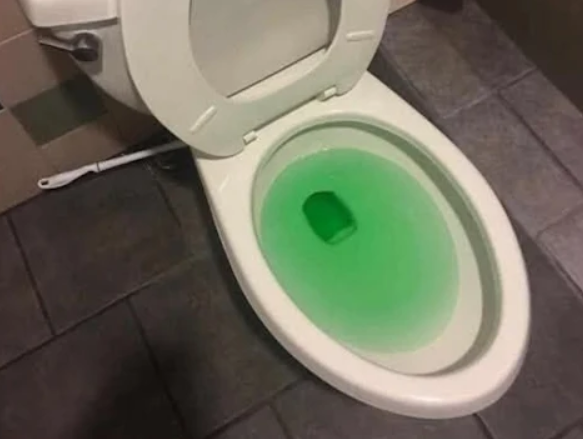
4. Wire Coat Hanger Snake (For Stubborn Clogs)
Carefully dislodge hair or wipes blocking the trap.
What You Need:
- Wire coat hanger
- Pliers or scissors
- Rubber gloves
How To:
- Straighten the hanger, leaving a small hook at one end.
- Gently feed into the drain hole under the water line.
- Hook and pull out debris — don’t force it.
- Flush to check.
⚠️ Use lightly — avoid scratching enamel.
5. Wet/Dry Vacuum (Heavy-Duty Suction)
If you have one, this is the fastest mechanical fix.
What You Need:
- Wet/dry vacuum
- Rag or towel to seal rim
How To:
- Set vacuum to liquid mode.
- Cover the toilet drain opening tightly with the hose.
- Seal edges with a damp rag to create suction.
- Turn on — the vacuum pulls the clog loose.
- Flush to confirm.
✅ Powerful and clean — no splashing.
✅ Bonus Tip: Prevent Future Clogs
- Only flush toilet paper and human waste — wipes, cotton balls, and floss cause most clogs.
- Use less toilet paper — especially in older or low-flush toilets.
- Clean your toilet monthly — prevents mineral buildup in trap.
- Educate kids & guests — a quick reminder saves big messes.
🚫 “Flushable” wipes? They’re not — save your pipes.
🚨 When to Call a Plumber
Try these hacks first — but call a professional if:
- Water doesn’t drain after 1+ hour
- You smell sewage
- Multiple fixtures back up (sink, shower)
- Clogs happen frequently — could indicate a main line issue
🪠 Early intervention prevents costly repairs.
Final Thoughts
You don’t need a superhero to save your bathroom. You just need a little knowledge, a few household items, and the courage to act fast.
Next time you’re facing a rising tide in the toilet… don’t freeze. Grab the dish soap. Find the soda bottle. Stay calm.
Because real problem-solving isn’t loud. It’s quiet. And sometimes, it starts with one deep breath — and one smart move.
Extra Tips for Easy Toilet Maintenance
- Regularly inspect the wax ring and toilet base for leaks.
- Avoid flushing items other than toilet paper.
- Keep a small set of emergency tools handy: rubber gloves, baking soda, vinegar, and a plastic bottle.
- Encourage household members to follow flushing rules.
- Address slow drainage immediately — small clogs are easier to fix than major backups.
Why Household Hacks Work
Each method uses either chemical reaction, lubrication, or suction:
- Hot water + dish soap: Lubricates and loosens grease or paper.
- Baking soda + vinegar: Fizzing action helps dislodge buildup naturally.
- Plastic bottle pump: Mimics plunger suction with controlled pressure.
- Wire coat hanger: Directly removes physical blockages.
- Wet/dry vacuum: Mechanical suction for stubborn clogs.
Understanding the science behind these hacks helps you apply them safely and effectively.
Common Mistakes to Avoid During DIY Toilet Unclogging
- Never use boiling water — thermal shock can crack porcelain.
- Don’t combine chemical drain cleaners with vinegar or dish soap — can produce toxic fumes.
- Avoid excessive force with wires or bottles — can damage the toilet.
- Always wear gloves — prevents contact with harmful bacteria.
- Be patient — some clogs take 15–30 minutes to clear fully.
Conclusion
Clogged toilets can be stressful, but panic and chemicals aren’t necessary. With simple household items and a little know-how, most minor clogs can be resolved safely and efficiently.
Remember the key principles:
- Safety first — avoid boiling water and chemical overload.
- Use gentle, gradual methods before applying force.
- Consistency and prevention reduce future clogs.
- Call a professional if problems persist.
By keeping calm, understanding the tools at hand, and knowing the methods that work, you can handle most toilet clogs without a plunger, stress, or expensive repairs.
Because real home problem-solving isn’t about panic. It’s about preparation, knowledge, and one smart move at a time.