🧺 5 Reasons to Add Vinegar to Your Laundry – Safe, Natural & Effective
You don’t need a shelf full of specialty products to get clean, soft, fresh-smelling clothes.
Sometimes, one simple kitchen staple does the job beautifully:
White distilled vinegar.
Yes — the same bottle used in salad dressing or pickling can also:
- Soften fabrics
- Reduce odors
- Improve rinsing
- Reduce lint and static
And when used correctly?
👉 It’s inexpensive, biodegradable, and generally safe for most washing machines.
Let’s look at five practical, science-backed reasons to use it — and how to do it safely.
✅ 1. A Natural Fabric Softener (Without Residue)
Commercial fabric softeners coat fibers with chemicals to create softness.
Vinegar works differently.
- Mild acetic acid helps relax fabric fibers
- Dissolves leftover detergent residue
- Leaves no heavy coating behind
It’s especially useful for:
- Towels
- Workout clothes
- Baby clothes (when fragrance sensitivity is a concern)
How to Use
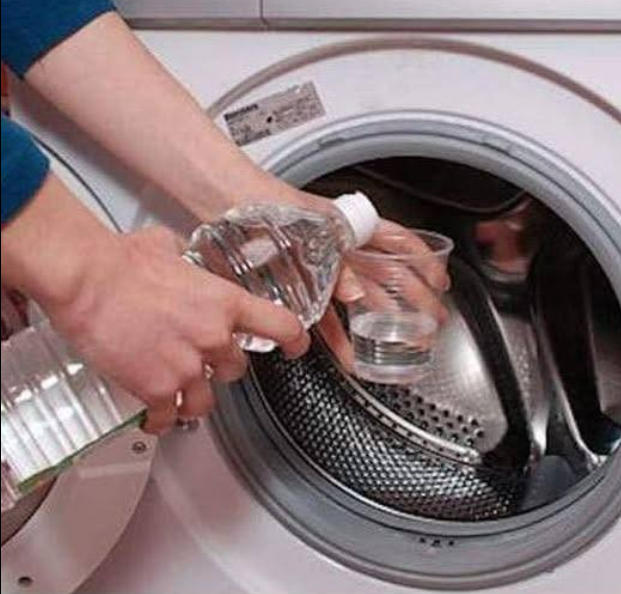
- Add ½ cup white distilled vinegar (5% acidity) to the fabric softener dispenser
- Or add during the rinse cycle
💡 Clothes will not smell like vinegar once dry — it evaporates.
✅ 2. Neutralizes Odors — Without Perfume
Sweat, mildew, and musty storage smells can linger even after washing.
Vinegar helps because:
- Its mild acidity neutralizes alkaline odor molecules (like sweat)
- Helps break down odor-causing bacteria residues
- Rinses away trapped smells from detergent buildup
Great for:
- Gym clothes
- Towels
- Sports uniforms
- Clothes left damp too long
For Strong Odors
Soak clothes in water + 1 cup vinegar for 30–60 minutes before washing.
✅ 3. Removes Soap Residue & Mineral Buildup
In hard water areas or HE (high-efficiency) machines, detergent may not fully rinse out.
This can cause:
- Stiff fabrics
- Dull colors
- Trapped odors
- Skin irritation
Vinegar helps dissolve:
- Mineral deposits (like calcium)
- Soap scum
- Residual detergent film
Machine Maintenance Tip
Run an empty hot cycle with 1–2 cups vinegar once a month to help clean internal buildup.
✔ Keeps both clothes and washer fresher.
✅ 4. Brightens Whites (Without Bleach)
White fabrics can turn dull due to:
- Hard water minerals
- Body oils
- Incomplete rinsing
Vinegar helps lift residue and dissolve minerals that cause grayness.
How to Brighten
- Add ½ cup vinegar to rinse cycle
- Line-dry in sunlight when possible (UV light naturally brightens)
☀️ Sunlight also helps remove musty smells.
✅ 5. Reduces Static & Lint
Static cling forms when synthetic fabrics build up electrical charge.
Vinegar can help by:
- Softening fibers
- Reducing friction
- Improving rinse quality
It works even better when combined with:
- Air-drying
- Wool dryer balls
It may also reduce lint by loosening trapped fibers during rinsing.
⚠️ Important Safety Guidelines
| Do | Don’t |
|---|---|
| Use distilled white vinegar (5% acidity) | Use apple cider or dark vinegar (can stain) |
| Add to rinse cycle or softener dispenser | Mix with bleach (creates toxic chlorine gas) |
| Use ½–1 cup per load | Overuse — excess acid may weaken elastic over time |
| Use monthly in HE machines | Use daily in large amounts (may affect rubber seals) |
| Test delicate fabrics first | Use on silk, rayon, or leather |