4 Types of People Who May Need to Limit Cabbage — And Safer Ways to Enjoy It
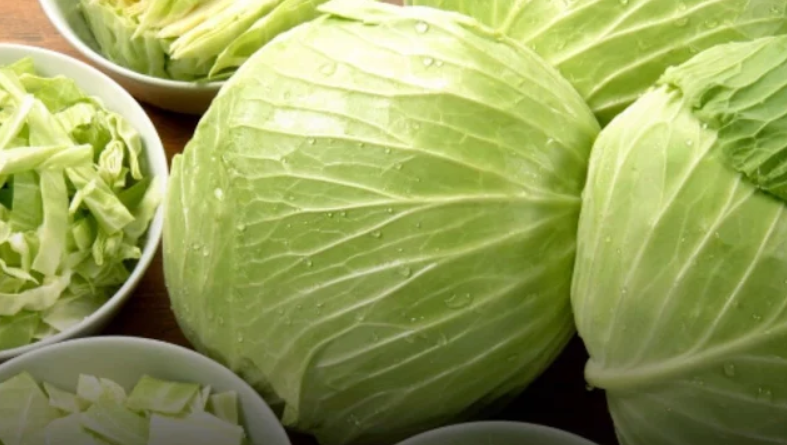
Cabbage is one of the most affordable, versatile, and nutrient-dense vegetables available.
Low in calories. High in fiber. Rich in vitamin C, vitamin K, folate, and powerful plant compounds like glucosinolates, cabbage has earned its place in cuisines around the world. From coleslaw and stir-fries to soups, stuffed rolls, sauerkraut, and kimchi, it’s a staple that offers both flavor and nutrition.
For most people, cabbage is a healthy addition to a balanced diet. However, like many cruciferous vegetables, it may not be ideal in large quantities for everyone — particularly when eaten raw or consumed daily in high amounts.
This doesn’t mean cabbage is dangerous. It simply means that individual health conditions can influence how your body responds to certain foods.
Let’s explore four groups who may benefit from limiting cabbage intake — along with practical, safe ways to still enjoy its nutritional benefits.
Understanding What Makes Cabbage Unique
Before discussing who may need caution, it helps to understand what’s inside cabbage that makes it both beneficial and occasionally problematic.
- Fiber: Supports digestion, gut bacteria, and cholesterol regulation.
- Vitamin K: Essential for blood clotting and bone health.
- Vitamin C: Antioxidant that supports immunity and skin health.
- Glucosinolates: Plant compounds studied for potential cancer-protective properties.
- Raffinose: A fermentable carbohydrate that can cause gas in sensitive individuals.
- Goitrogens: Naturally occurring substances that may interfere with thyroid iodine uptake in large amounts.
Most of these components are beneficial. However, depending on your health status, they may require moderation.
1. People with Thyroid Conditions (Especially Hypothyroidism)
Why Cabbage Can Be a Concern
Cabbage contains goitrogens — compounds that can interfere with the thyroid gland’s ability to use iodine. Iodine is necessary for producing thyroid hormones.
In theory, consuming very large amounts of raw cruciferous vegetables, especially in the context of low iodine intake, could contribute to reduced thyroid function.
This concern primarily applies to:
- Individuals with iodine deficiency
- People with untreated hypothyroidism
- Those consuming large quantities of raw cabbage daily (such as juicing)
What the Research Says
Clinical thyroid dysfunction from cabbage consumption alone is rare in countries where iodized salt is widely used. Most studies show that normal dietary intake does not cause thyroid disease.
Cooking significantly reduces goitrogenic activity — often by up to 90%.
Safer Ways to Enjoy Cabbage
- Choose cooked over raw preparations.
- Avoid large daily servings of raw cabbage juice.
- Ensure adequate iodine intake through iodized salt, seafood, or dairy (if appropriate).
- Maintain consistent intake rather than fluctuating dramatically.
- Consult a healthcare provider before making major dietary changes.
Complete avoidance is rarely necessary unless specifically advised by a physician.
2. People with Digestive Sensitivities (IBS, SIBO, FODMAP Intolerance)
Why It Can Cause Symptoms
Cabbage contains raffinose, a fermentable carbohydrate classified as a FODMAP (Fermentable Oligosaccharides, Disaccharides, Monosaccharides, and Polyols).
In people with Irritable Bowel Syndrome (IBS) or Small Intestinal Bacterial Overgrowth (SIBO), FODMAPs can ferment in the gut, producing gas and leading to:
- Bloating
- Cramping
- Excess gas
- Diarrhea
Raw cabbage is especially likely to trigger symptoms due to its fiber structure and fermentable sugars.
Common Triggers
- Large servings of raw coleslaw
- Daily green juices containing raw cabbage
- Heavy portions of sauerkraut
- Overeating at once
Safer Ways to Enjoy Cabbage
- Start with small portions (¼–½ cup cooked).
- Choose well-cooked cabbage over raw.
- Follow a low-FODMAP plan temporarily under professional guidance.
- Chew thoroughly to aid digestion.
- Pair with carminative herbs such as ginger or fennel.
Many individuals with IBS tolerate moderate amounts of cooked cabbage quite well.
3. People Taking Blood Thinners (Such as Warfarin)
The Vitamin K Factor
Cabbage is rich in vitamin K, which plays a critical role in blood clotting.
For individuals taking warfarin or similar anticoagulants, sudden changes in vitamin K intake can interfere with medication effectiveness.
This does not mean cabbage must be avoided.
The Key Principle: Consistency
Rather than eliminating cabbage, aim for consistent daily intake.
- Avoid dramatic increases or decreases in consumption.
- Keep portion sizes steady (for example, ½ cup cooked per day).
- Inform your healthcare provider of your typical intake.
Consistency supports stable medication response.
4. People Prone to Gas and Bloating
Why It Happens
Cabbage combines high fiber content with sulfur-containing compounds. When broken down by gut bacteria, these compounds can produce gas.
This reaction is not harmful — it’s simply uncomfortable for some individuals.
Who May Notice It Most
- People increasing fiber intake quickly
- Those unaccustomed to cruciferous vegetables
- Individuals with slower digestion
Ways to Reduce Discomfort
- Increase intake gradually.
- Cook cabbage thoroughly.
- Pair with digestion-supportive herbs.
- Stay hydrated.
- Avoid very large single servings.
Fermented cabbage can support gut bacteria, but it should also be introduced slowly.
Who Benefits Most from Cabbage?
For most individuals, cabbage offers significant health advantages:
- Heart health: Fiber supports healthy cholesterol levels.
- Blood sugar control: Low glycemic index supports stable glucose.
- Digestive health: Prebiotic fiber nourishes beneficial bacteria.
- Cancer prevention support: Glucosinolates linked to reduced colon and breast cancer risk.
- Weight management: Low calorie density promotes fullness.
The benefits generally outweigh risks for people without the conditions listed above.