💰 Why Cassava Remains Essential Globally
- Thrives in harsh climates
- Low production cost
- Long shelf-life when dried
- Supports food security in vulnerable regions
In many tropical countries, cassava flour and processed forms such as gari and tapioca are dietary cornerstones.
⚠️ Who Should Be Especially Careful?
Home Cooks Trying Fresh Cassava
Always peel and cook thoroughly. Never consume raw.
People in Food-Insecure Settings
During drought or crisis, shortcuts in processing increase risk.
Children
More vulnerable to cyanide toxicity due to lower body weight.
🚫 Common Mistakes
Eating Raw Cassava
Never safe — even small amounts can be harmful.
Undercooking
Partial boiling may not eliminate toxins.
Cooking in Covered Pots
Traps hydrogen cyanide gas instead of allowing it to escape.
Skipping Fermentation for Bitter Varieties
Essential for safe consumption.
❓ 10 Frequently Asked Questions
1. Is cassava safe to eat?
Yes — when properly processed and cooked.
2. Are tapioca pearls dangerous?
No. Commercial tapioca products are processed to remove toxins.
3. Can I eat cassava raw like a carrot?
No. Raw cassava can be toxic.
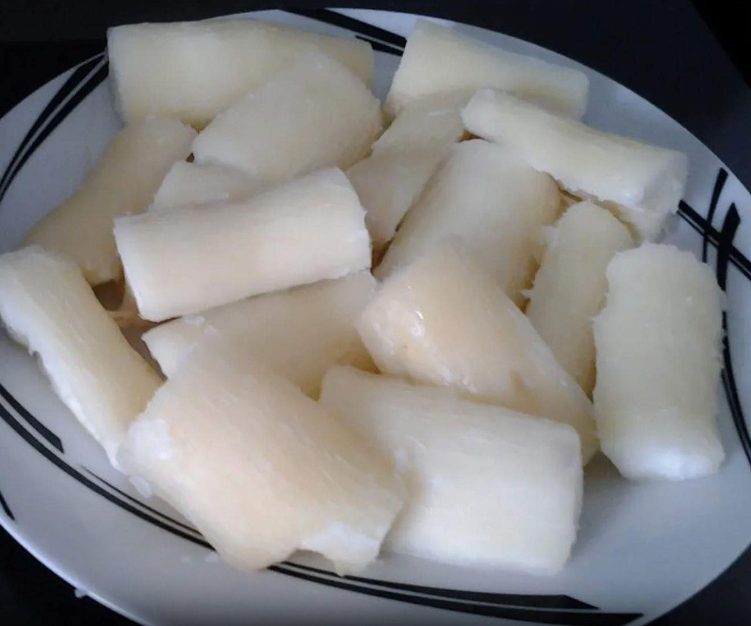
4. How long should cassava be boiled?
Typically 20–30 minutes or until very soft, in uncovered boiling water.
5. Does freezing remove toxins?
No. Proper processing and cooking are required.
6. Is sweet cassava completely safe?
It still requires peeling and thorough cooking.
7. Why don’t we hear more about cassava poisoning?
Because traditional preparation methods are highly effective when followed.
8. What is konzo?
A neurological condition linked to chronic exposure to improperly processed cassava in certain regions.
9. Can cassava flour be used safely?
Yes — commercially produced flour is processed to safe standards.
10. Should I avoid cassava entirely?
No. Simply prepare it properly and follow established safety practices.
🌟 Final Thoughts: Respect the Process
Cassava is not a villain.
It is a lifeline crop that sustains millions of families worldwide.
But it demands respect.
The same plant that nourishes communities can become dangerous when shortcuts are taken.
Traditional food wisdom developed for a reason — and in the case of cassava, that knowledge saves lives.
Prepare it correctly. Cook it thoroughly. Never eat it raw.
Because safe food isn’t just about what we eat.
It’s about how we prepare it. 🌱