⚠️ Toxic If Improperly Prepared: The Hidden Risk of Cassava 🌱
You’ve likely eaten cassava without even realizing it.
As flour in gluten-free bread.
As tapioca pearls in bubble tea.
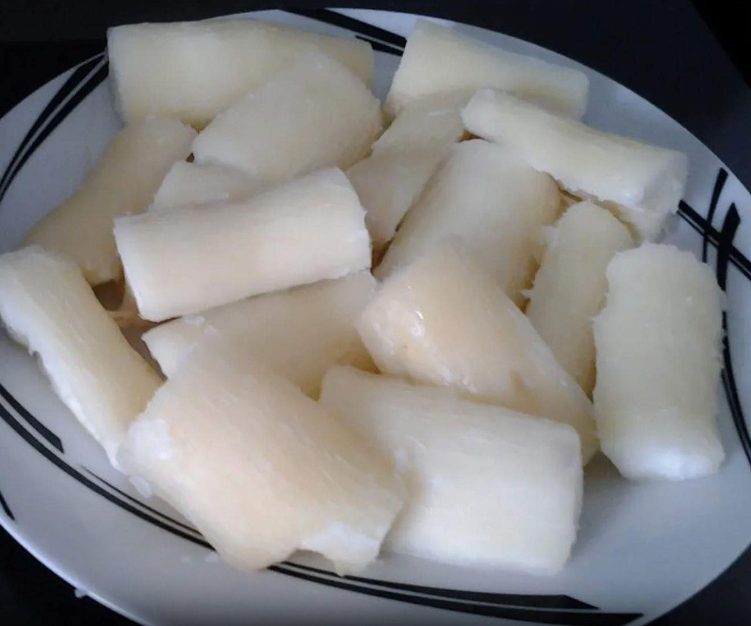
Or boiled like a potato in stews and side dishes.
Cassava (Manihot esculenta) is one of the most important staple crops in the world. It’s calorie-dense, drought-resistant, and feeds hundreds of millions of people across Africa, Asia, and Latin America.
But behind its humble, starchy appearance lies a serious — and often misunderstood — risk.
👉 Some varieties of cassava naturally contain cyanogenic glycosides, compounds that can release hydrogen cyanide when the plant is eaten raw or improperly processed.
If not prepared correctly, cassava can cause acute poisoning, long-term neurological damage, and even community-wide health outbreaks.
That doesn’t mean cassava is “bad.” It means preparation matters.
Let’s explore what makes cassava potentially dangerous — and how traditional processing methods make it safe.
Because food security isn’t just about calories.
It’s about safe calories.
🌿 What Is Cassava?
Cassava is a starchy root vegetable native to South America but now cultivated widely in tropical climates worldwide.
It thrives in poor soils, tolerates drought, and produces high yields — making it essential for global food systems.
Two Main Types of Cassava
- ✅ Sweet Cassava – Lower levels of cyanogenic compounds; can be boiled or cooked thoroughly before eating.
- ⚠️ Bitter Cassava – Much higher cyanogenic content; must be processed before consumption.
Bitter cassava is more drought-resistant and productive, which is why it’s commonly grown — but it also carries greater risk if mishandled.
☠️ How Can Cassava Be Poisonous?
The Role of Cyanogenic Glycosides
Cassava contains two primary cyanogenic glycosides:
- Linamarin
- Lotaustralin
When cassava cells are damaged — through chewing, grating, or improper preparation — these compounds can convert into hydrogen cyanide.
Hydrogen cyanide interferes with the body’s ability to use oxygen at the cellular level.
In high doses, it can cause:
- Nausea and vomiting
- Dizziness
- Rapid breathing
- Weakness
- In severe cases, respiratory failure
Chronic low-level exposure has been linked in some regions to neurological conditions such as konzo, a disorder associated with poorly processed cassava during times of food scarcity.
However, when properly prepared, cassava is safe and widely consumed without issue.
📊 Cassava Safety Breakdown
| Cassava Type | Typical Cyanide Potential | Preparation Required | Common Uses | Safety When Prepared Correctly |
|---|---|---|---|---|
| Sweet Cassava | Lower levels | Peeling & thorough cooking | Boiled roots, stews | Generally safe |
| Bitter Cassava | High levels | Soaking, fermenting, drying, cooking | Flour, gari, fufu | Safe after full processing |
| Tapioca Products | Very low (commercial) | Industrial processing | Pearls, starch, gluten-free baking | Safe |
🛠️ How Traditional Methods Make Cassava Safe
Communities that rely on cassava have developed effective processing techniques over centuries.
1️⃣ Peeling
The peel contains higher concentrations of toxins. Removing it reduces risk.
2️⃣ Grating & Crushing
Breaks plant cells to release cyanogenic compounds so they can dissipate.
3️⃣ Soaking or Fermenting
Allows enzymatic breakdown of toxins and evaporation of hydrogen cyanide.
4️⃣ Drying
Sun-drying helps volatilize residual cyanide.
5️⃣ Thorough Cooking
Boiling uncovered allows remaining cyanide gas to escape.
These steps dramatically reduce cyanide content to safe levels.
⚖️ Raw vs Properly Processed Cassava
Raw or Improperly Prepared
- Higher cyanide exposure risk
- Possible acute toxicity
- Unsafe for consumption
Properly Processed
- Significantly reduced toxin levels
- Staple food for millions
- Safe when traditional methods are followed