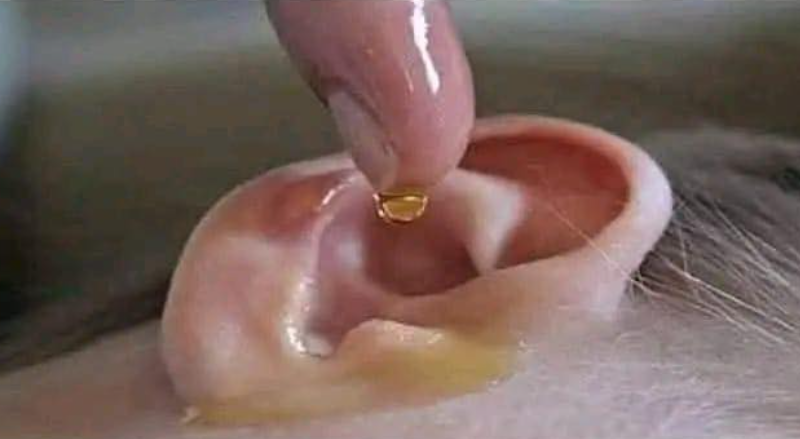
🦻 Hearing Loss: What Really Causes It — And What You Can Do to Protect Your Hearing
You find yourself asking people to repeat themselves.
You turn the TV up a little louder than usual.
You miss the soft chime of the doorbell.
Conversations in crowded rooms feel exhausting.
Hearing loss often begins quietly — not with pain, but with subtle changes that are easy to dismiss.
And because it happens gradually for many people, it can take years before someone realizes how much they’re missing.
Let’s explore the real causes of hearing loss, separate myth from fact, and understand what actually helps — so you can protect your hearing and stay connected to the world around you.
Because real prevention isn’t about miracle cures.
It’s about understanding how hearing works — and how to preserve it.
👂 How Hearing Works (And Why It’s So Delicate)
Your ears convert sound waves into electrical signals that your brain interprets as speech, music, and environmental sounds.
This process depends on tiny sensory hair cells in the inner ear. Once damaged, these cells do not regenerate in humans.
Dr. Laura Mitchell, AuD (audiologist), explains:
“Hearing loss often occurs because those microscopic hair cells become damaged from noise, aging, or illness. Once they’re gone, they don’t grow back.”
This is why prevention matters so much.
🔍 Types of Hearing Loss: Temporary vs Permanent
1️⃣ Conductive Hearing Loss (Often Temporary)
This occurs when sound cannot efficiently travel through the outer or middle ear.
Common causes:
- Earwax buildup
- Middle ear infections
- Fluid behind the eardrum
- Ruptured eardrum
In many cases, medical treatment can restore hearing.
2️⃣ Sensorineural Hearing Loss (Usually Permanent)
This involves damage to the inner ear or auditory nerve.
Common causes:
- Aging (presbycusis)
- Chronic noise exposure
- Genetics
- Certain medications
- Head trauma
This is the most common type of permanent hearing loss.
3️⃣ Mixed Hearing Loss
A combination of conductive and sensorineural causes.
⚠️ What Really Causes Hearing Loss?
🔊 1. Noise Exposure
Repeated exposure to loud sounds — concerts, power tools, headphones at high volume — damages hair cells over time.
Sounds above 85 decibels (dB) can cause harm with prolonged exposure.
👵 2. Aging
Age-related hearing decline is common after age 60, though it can begin earlier.
💊 3. Ototoxic Medications
Certain antibiotics, chemotherapy drugs, and high doses of some medications may affect hearing.
🦠 4. Illness or Infection
Severe infections, viral illnesses, or untreated ear infections may impact hearing.
🧬 5. Genetics
Family history plays a role in some cases.
📊 Hearing Loss Overview
| Cause | Temporary or Permanent | Risk Level | Preventable? | Common Solution |
|---|---|---|---|---|
| Earwax buildup | Temporary | Low | Yes | Professional removal |
| Loud noise exposure | Permanent | High | Yes | Hearing protection |
| Age-related | Permanent | Moderate | No | Hearing aids |
| Middle ear infection | Often temporary | Moderate | Sometimes | Medical treatment |
| Medication-related | Sometimes permanent | Varies | Sometimes | Medication adjustment |
🚫 Common Myths About Hearing Loss
Myth 1: “Only Older Adults Lose Hearing”
Noise-induced hearing loss is increasingly common in younger adults due to headphone use.
Myth 2: “If It Doesn’t Hurt, It’s Not Damaging”
Hearing damage is usually painless.
Myth 3: “Hearing Aids Make Hearing Worse”
Modern hearing aids do not damage hearing when properly fitted.
🛡️ What You Can Do to Protect Your Hearing
🔇 1. Follow the 60/60 Rule
Keep headphone volume below 60% and limit listening to 60 minutes at a time.
🎧 2. Use Noise-Canceling Headphones
They allow lower listening volumes in noisy environments.
🦺 3. Wear Ear Protection
Use earplugs at concerts, shooting ranges, or when using power tools.
🩺 4. Get Hearing Tests
Baseline tests help detect early changes.
🧼 5. Avoid Cotton Swabs in the Ear Canal
They can push wax deeper and cause injury.
⚖️ Hearing Aids vs Ignoring the Problem
Ignoring Hearing Loss
- Social withdrawal
- Communication strain
- Cognitive load increase
Using Hearing Aids
- Improved clarity
- Better communication
- Enhanced quality of life
Early treatment improves long-term outcomes.