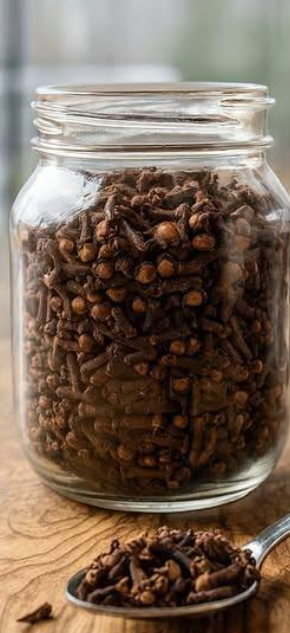
This makes them valuable in traditional food preservation and oral hygiene practices.
How to Use Cloves Safely
1. Clove Tea
- Steep 2–3 whole cloves in hot water for 10 minutes.
- Strain and sip after meals.
2. Ground Clove in Cooking
Add small amounts to soups, curries, baked goods, or smoothies.
3. Clove Oil (Diluted)
Always dilute with a carrier oil (like coconut oil) before topical use.
Never ingest essential oil unless directed by a qualified professional.
Safety Considerations
Cloves are safe in culinary amounts.
However:
- Large doses of clove oil may cause liver toxicity.
- Undiluted oil can irritate skin and gums.
- People on blood-thinning medication should consult a healthcare provider.
- Pregnant or breastfeeding individuals should seek medical advice before therapeutic use.
Cloves in Traditional Medicine
Ayurveda classifies cloves as warming and stimulating.
Traditional Chinese Medicine uses cloves to warm the digestive system and support kidney energy.
These traditional frameworks align surprisingly well with modern biochemical findings.
Whole Cloves vs. Clove Oil
Whole Cloves:
- Milder effect
- Safer for regular dietary use
Clove Oil:
- Highly concentrated
- Best for short-term topical use
Incorporating Cloves Into Daily Life
- Add to chai or herbal tea blends
- Use in spice rubs
- Include in homemade broths
- Infuse into warm milk with cinnamon
Consistency matters more than intensity.
The Bottom Line
Cloves are not a miracle cure.
They won’t replace medical treatment.
But they are a potent, antioxidant-rich spice with centuries of traditional use and growing scientific validation.
When used wisely and in moderation, cloves can support:
- Oral comfort
- Digestive balance
- Immune resilience
- Metabolic health
- Inflammation control
Sometimes, powerful wellness tools are hiding in plain sight — right there in your spice rack.
Small bud. Big potential.
Use it thoughtfully. Use it safely. And let science — not hype — guide the way.