I Didn’t Know This — But My Dad’s 1-Minute Bee Sting Trick Works Like Magic
You’re enjoying a sunny afternoon in the garden.
The birds are singing. The flowers are blooming.
And then — it happens.
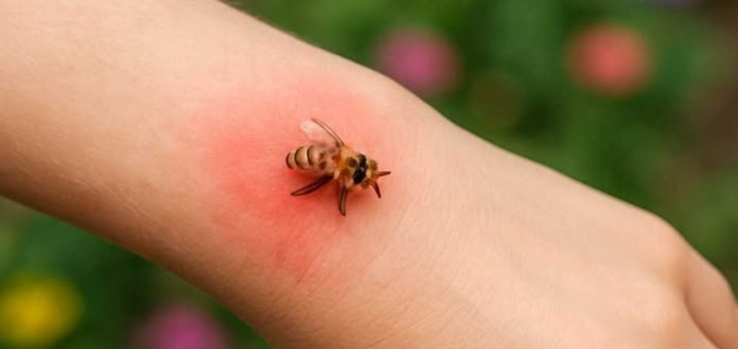
A sharp, burning sting on your arm.
You glance down. A bee lifts off and disappears.
Within seconds, your skin feels hot, tight, and throbbing.
Bee stings are common — and for most people, they’re painful but temporary. Redness, swelling, and itching can last a few hours to a couple of days.
Over the years, families have passed down all kinds of remedies: baking soda paste, vinegar, toothpaste, even mud. Some help. Some don’t.
But there’s one simple trick that often brings fast relief — and it takes about a minute.
The 1-Minute Cold Spoon Trick
It’s simple.
It’s accessible.
And it’s based on basic first-aid principles.
🧊 Step 1: Press a Cold Spoon on the Sting
Here’s how to do it properly:
- Grab a clean metal spoon (stainless steel works well).
- Place it in the freezer for 1–2 minutes (or run it under very cold water).
- Make sure the stinger has been removed first (more on that below).
- Press the back of the spoon gently but firmly over the sting.
- Hold it in place for about 60 seconds.
Many people notice the burning sensation eases quickly. Swelling may reduce, and the area feels less intense.
It’s not magic — it’s cold therapy.
Why It Works
❄️ 1. Cold Therapy Reduces Pain and Swelling
Cold causes blood vessels to constrict. This can:
- Slow the spread of venom through nearby tissue
- Reduce inflammation
- Numb nerve endings temporarily
Metal conducts temperature efficiently, so a chilled spoon delivers concentrated cooling directly to the area — similar to using an ice pack.
That’s why it feels fast-acting.
🔁 2. Gentle Pressure Can Help
Applying steady pressure may limit surface swelling and reduce some discomfort. However, pressure alone doesn’t “neutralize” venom — it simply helps manage inflammation and pain.
🕰️ 3. It’s Immediate and Convenient
You don’t need to mix anything or search for specialty products. A spoon is usually nearby — whether at home, at a picnic, or during a backyard barbecue.
First Things First: Remove the Stinger Correctly
If the bee was a honeybee, it may leave its stinger behind.
Removing it quickly matters more than how you remove it.
Best method:
- Scrape it out with a fingernail, credit card edge, or similar flat object.
The key is speed. The longer the stinger remains, the more venom can enter the skin.
Try not to pinch it deeply with tweezers if possible — squeezing the venom sac may push more venom in.
What NOT to Do After a Bee Sting
- ❌ Don’t scratch the area — this can break the skin and cause infection.
- ❌ Don’t apply heat — heat increases blood flow and swelling.
- ❌ Don’t ignore worsening symptoms.
- ❌ Don’t rely solely on home remedies if symptoms escalate.
Other Evidence-Based Relief Options
In addition to cold therapy, the following may help mild stings:
- Washing the area with soap and water
- Applying an ice pack (wrapped in cloth) for 10–15 minutes
- Using over-the-counter hydrocortisone cream for itching
- Taking an oral antihistamine if recommended by a healthcare provider
Most uncomplicated stings improve within a few hours.