Vertical Nail Ridges: Normal Changes and What They Mean for Your Nail Health
It often begins with a simple moment.
You’re washing your hands. Drying them off. Maybe applying lotion. And suddenly you notice something you hadn’t paid attention to before:
Faint vertical lines running from the base of your nail to the tip.
They look like delicate grooves. Soft ridges. Almost like tiny wrinkles pressed into the surface of your nail.
You pause.
Were they always there? Are they new? Is something wrong?
For many people, vertical nail ridges become more noticeable with time. They are often quiet markers of normal aging — similar to subtle skin texture changes or the first appearance of gray hair.
While it’s completely natural to feel concerned, the reassuring truth is this:
In most cases, vertical nail ridges are entirely normal and harmless.
This comprehensive guide will help you understand what vertical ridges are, why they occur, when they may signal something worth evaluating, and how to care for your nails in a healthy, balanced way.
Understanding Nail Anatomy: What Are Nails Made Of?
To understand ridges, it helps to understand nail structure.
Your nails are made primarily of keratin, a strong structural protein also found in hair and the outer layer of skin.
Each nail consists of:
- Nail plate: The hard, visible surface.
- Nail bed: The skin underneath the nail plate.
- Nail matrix: The growth center located beneath the cuticle.
- Cuticle: The protective seal at the base of the nail.
- Lunula: The pale half-moon shape sometimes visible at the base.
The nail matrix is particularly important. It produces new keratin cells, which push older cells forward, forming the nail plate. Any subtle changes in matrix activity can influence nail texture.
What Are Vertical Nail Ridges?
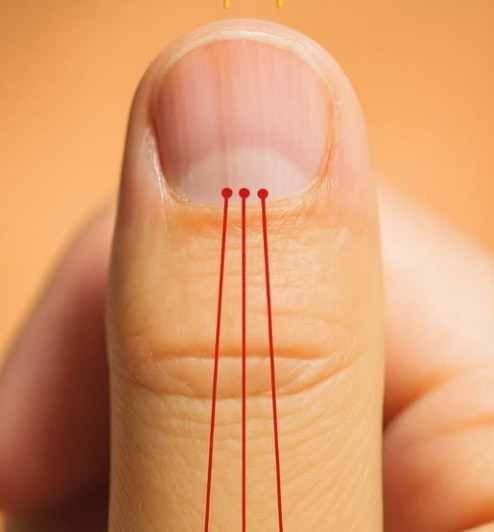
Vertical ridges — also called longitudinal ridges — run from the cuticle to the tip of the nail.
They differ from horizontal ridges (which run side-to-side and may sometimes reflect systemic stress).
Vertical ridges can appear as:
- Fine, shallow lines
- Slightly raised ridges
- Grooves visible under certain lighting
- Textural differences felt when running a finger across the nail