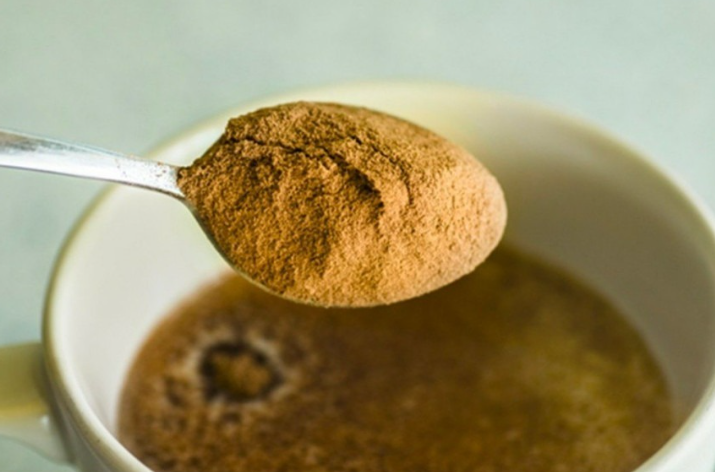
Safe Ways to Incorporate Cinnamon into an Evening Routine
1. The After-Dinner Digestif Tea
This approach focuses on digestive comfort and blood sugar stability.
How to prepare:
- Steep 1 cinnamon stick or ½ teaspoon Ceylon cinnamon powder in hot water for 10 minutes.
- Add a slice of fresh ginger if desired.
- Stir in a teaspoon of raw honey (optional).
Sip 1–2 hours before bed.
This timing allows digestion to settle before lying down.
2. Sleep-Supportive “Golden Milk” Adaptogen Blend
This version combines multiple soothing spices.
How to prepare:
- Warm 1 cup of milk (dairy or plant-based).
- Whisk in:
- ¼ teaspoon Ceylon cinnamon
- ¼ teaspoon turmeric
- A pinch of black pepper
- A sliver of fresh ginger
- A drop of vanilla extract
The warmth, aroma, and anti-inflammatory properties may promote relaxation.
It’s less about sedation and more about creating a calming transition into nighttime.
Who Should Be Cautious?
Cinnamon is generally safe in culinary amounts, but caution is advised if:
- You take blood sugar–lowering medication.
- You use blood thinners.
- You have liver disease (especially with high cassia cinnamon intake).
- You are pregnant and consuming large quantities.
Moderation matters. More is not better.
What Actually Improves Sleep (Beyond Cinnamon)
If your goal is better sleep, consider foundational habits:
- Consistent sleep and wake times
- Reducing evening screen exposure
- Limiting late caffeine
- Balanced evening meals
- Managing stress during the day
- Creating a cool, dark sleep environment
Cinnamon may complement these habits — it cannot replace them.
The Final Verdict
Cinnamon is not a miracle sleep cure.
But it is not meaningless either.
It may support sleep indirectly by:
- Stabilizing blood sugar
- Easing digestion
- Reducing inflammation
- Enhancing calming bedtime rituals
Its power lies not in magic — but in gentle physiological support combined with mindful routine.
If you enjoy cinnamon tea at night and it helps you feel relaxed, that benefit is real — even if it’s partly behavioral.
Just remember:
Good sleep is built from consistent habits, balanced health, and addressing underlying issues when needed.
No single spice can promise eight perfect hours.
But a warm cup, a quiet moment, and steady rhythms?
Those can go a long way.