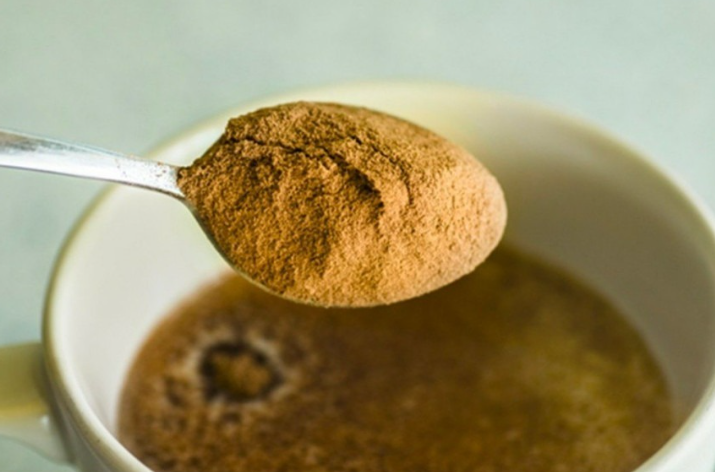
The Cinnamon Conundrum: Separating Wellness Fact from Sleepytime Fiction
Let’s begin with the truth that matters most:
There is no single ingredient on Earth that can guarantee eight hours of perfect, uninterrupted sleep.
Sleep is not a switch you flip. It is a complex biological process influenced by a symphony of factors — stress levels, mental health, hormones, light exposure, daily routines, diet, medications, underlying medical conditions, and genetics.
When wellness trends promise that one spice, supplement, or “miracle drink” can solve insomnia overnight, they risk doing two things:
- Offering false hope
- Overlooking real sleep disorders that require proper evaluation
And yet — within that truth — there’s room for nuance.
While cinnamon cannot “knock you out” or override insomnia, it may support certain physiological processes that contribute to more stable, restful sleep.
The key is understanding what cinnamon can do — and what it absolutely cannot.
Let’s separate evidence from exaggeration.
Why Sleep Is So Complex
Before we talk about cinnamon, we need context.
Healthy sleep depends on:
- Balanced blood sugar
- Regulated cortisol (stress hormone)
- Melatonin production
- Stable digestion
- Low inflammation
- Consistent circadian rhythm
- A calm nervous system
Disrupt any one of these, and sleep may suffer.
Support them gently and consistently? Sleep often improves.
Cinnamon may influence a few of these pathways — indirectly.
What Cinnamon Actually Contains
Cinnamon is rich in:
- Cinnamaldehyde (its primary active compound)
- Polyphenols (antioxidants)
- Anti-inflammatory plant compounds
- Trace minerals
There are two main types:
- Ceylon cinnamon (“true” cinnamon — lower in coumarin)
- Cassia cinnamon (more common, higher coumarin content)
For regular consumption, Ceylon cinnamon is generally preferred due to its lower coumarin levels.
Where Cinnamon May Support Sleep (Indirectly)
1. Blood Sugar Regulation
Cinnamon is widely studied for its potential role in improving insulin sensitivity and moderating post-meal blood sugar spikes.
Why does this matter for sleep?
Significant nighttime blood sugar fluctuations can trigger:
- Nighttime awakenings
- Restlessness
- Night sweats
- Early-morning wake-ups
When blood sugar drops too low during the night, the body may release stress hormones like cortisol and adrenaline — which can wake you up abruptly.
By supporting more stable glucose levels — especially when consumed earlier in the day or with dinner — cinnamon may help reduce one common sleep disruptor.
Important: Cinnamon is not a replacement for medical treatment in diabetes or blood sugar disorders. It may serve as a complementary dietary support, not a cure.
2. Digestive Soothing & Anti-Bloating Effects
Cinnamon has carminative properties, meaning it may help reduce gas and bloating by gently soothing the intestinal tract.
Digestive discomfort is a major thief of sleep.
Common nighttime disruptors include:
- Indigestion
- Bloating
- Mild cramping
- Reflux triggered by heavy meals
A warm cup of cinnamon tea after dinner may:
- Encourage digestive comfort
- Reduce feelings of fullness
- Create a calming ritual before bed
Comfortable digestion often supports more comfortable sleep.
3. Anti-Inflammatory Action
Chronic low-grade inflammation has been linked to poor sleep quality.
Inflammation can influence:
- Sleep fragmentation
- Fatigue
- Hormonal balance
- Nervous system activation
Cinnamon’s antioxidant compounds may help reduce oxidative stress and systemic inflammation.
While this effect is not immediate or sedating, a body under less chronic stress is generally more capable of restorative sleep.
4. The Ritual Effect (Often Overlooked)
Perhaps the most underestimated benefit isn’t biochemical — it’s behavioral.
A consistent evening ritual signals safety to the nervous system.
Warm beverages, dim lighting, and predictable routines activate the parasympathetic (“rest and digest”) system.
Cinnamon may serve as a comforting sensory anchor — scent, warmth, flavor — that cues the body to slow down.
And that matters.
What Cinnamon Does NOT Do
Let’s be clear:
- It does not replace melatonin production.
- It does not sedate the brain.
- It does not cure insomnia.
- It does not treat sleep apnea.
- It does not override chronic stress.
If someone struggles with persistent insomnia, loud snoring, gasping during sleep, severe anxiety, depression, or daytime exhaustion, professional evaluation is essential.
No spice substitutes for medical care.