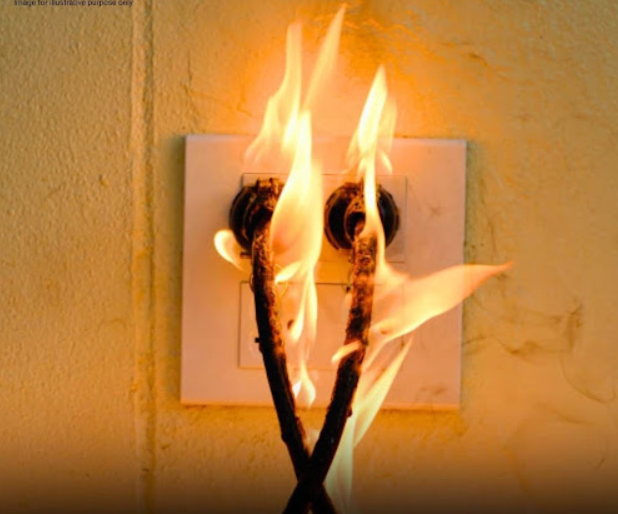
❌
1. Plugging High-Wattage Devices into Power Strips
Space heaters should always plug directly into wall outlets.
2. Covering Chargers With Fabric
This traps heat and increases fire risk.
3. Leaving Appliances Running Overnight
Even devices with auto-shutoff can fail.
4. Ignoring Warm Outlets
If a plug or outlet feels hot, discontinue use and inspect.
5. Using Damaged Cords
Frayed wires significantly increase fire risk.
10 Frequently Asked Questions
1. Does unplugging really lower my bill?
Yes — especially when multiple standby devices are involved.
2. Is phantom load expensive?
Individually small, but collectively can reach 5–10% of electricity use.
3. Are modern appliances safer?
Generally yes, but wear and tear still occur.
4. Is it bad to unplug devices frequently?
No, as long as you pull from the plug — not the cord.
5. What about refrigerators?
Never unplug essential appliances like refrigerators unless servicing.
6. Do smart plugs save energy?
They help reduce standby consumption automatically.
7. Are surge protectors enough?
They protect from spikes but don’t eliminate standby draw.
8. Should I unplug before vacation?
Yes — especially non-essential electronics.
9. Is standby power dangerous?
Mostly an energy cost issue, though aging devices can pose risk.
10. What’s the easiest habit to start today?
Unplug hair tools and chargers immediately after use.
Final Thoughts: Small Habits, Real Protection
Energy savings don’t always require solar panels or expensive upgrades.
Sometimes they start with a simple action:
Pull the plug.
Unplugging a handful of high-risk or high-draw devices:
- Reduces fire risk
- Lowers standby energy use
- Extends appliance life
- Protects your home and family
Because protecting your wallet — and your safety — isn’t about dramatic changes.
It’s about small, smart habits done consistently. 🔌💡