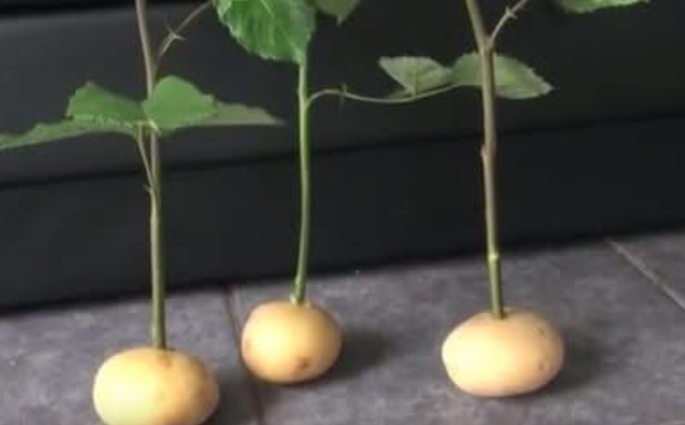
Soil vs Potato vs Water: Quick Comparison ⚖️
- Soil: Most reliable and balanced.
- Potato: Adds moisture support but still requires soil.
- Water: Easy to monitor but may require careful transition.
Optimal Conditions for Rooting 🌤️
- Temperature: 65–75°F
- Bright, indirect sunlight
- High humidity
- Moist but well-drained medium
Avoid direct midday sun, which can stress tender cuttings.
Nutritional & Structural Support in Growing Media
| Growing Medium Component | Typical Measurement (Per 1 Gallon Mix) | Functional Role | Benefit for Rose Cuttings |
|---|---|---|---|
| Compost | 40% | Organic nutrients | Supports early root growth |
| Peat Moss | 25% | Moisture retention | Maintains hydration balance |
| Perlite | 20% | Drainage | Prevents root rot |
| Vermiculite | 10% | Moisture regulation | Enhances root stability |
| Serving Size Equivalent | 1 gallon (~16 cups) | Balanced propagation mix | Encourages consistent development |
Common Mistakes to Avoid 🚫
- Overwatering (most common issue)
- Using garden soil without drainage
- Skipping sterilization of tools
- Exposing cuttings to harsh sunlight
- Planting during frost season
Health & Garden Safety Tips 🧼
- Sterilize cutting tools with alcohol.
- Wear gloves when handling compost.
- Discard moldy soil immediately.
- Label propagated varieties for tracking.
Frequently Asked Questions (10 FAQs)
1. How long does rooting take?
Typically 3–8 weeks depending on climate and variety.
2. Is rooting hormone necessary?
No, but it improves consistency.
3. Which method has highest success rate?
Traditional soil propagation.
4. Can I propagate in winter?
It’s best during spring or early summer.
5. Should I fertilize immediately?
No. Wait until roots are established.
6. How moist should soil be?
Like a wrung-out sponge — moist, not soggy.
7. Do all rose varieties root equally?
No. Some hybrid teas are more challenging.
8. Can I use honey instead of rooting hormone?
Honey may protect against bacteria but does not stimulate roots like auxins.
9. What’s the biggest beginner mistake?
Too much water and poor drainage.
10. When can I transplant outdoors?
Once roots are strong and frost risk has passed.
Final Thoughts 🌹
Propagating roses from cuttings is a rewarding and practical way to multiply your favorite varieties. Whether you prefer the traditional soil method, experimenting with potatoes, or observing root growth in water, success comes down to moisture control, warmth, and patience.
Start with healthy stems, provide the right environment, and monitor regularly. With time and care, you’ll transform simple cuttings into thriving rose bushes — expanding your garden naturally and beautifully.
Sometimes the simplest gardening techniques bring the most satisfying blooms. 🌿🌹