💰 Cost Breakdown: DIY Juice vs Store-Bought Detox
Homemade Version
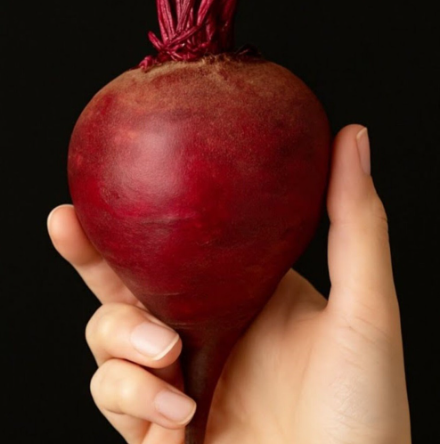
- Beet: $0.80–$1.50
- Apple: $0.50–$1.00
- Lemon: $0.30–$0.60
- Total per serving: ~$2–$3
Cold-Pressed Store Detox Juice
- $7–$12 per bottle
- Often lower fiber
- Short shelf life
Homemade juice offers better cost control and ingredient transparency.
⚖️ Juicing vs Blending: Which Is Better?
Juicing: Removes fiber, easier digestion, faster sugar absorption.
Blending: Retains fiber, promotes satiety, supports gut health.
Registered dietitian Sarah Coleman advises, “For most people, blending is preferable because fiber plays a major role in digestive and metabolic support.”
⚠️ Common Mistakes During a “Detox”
- Replacing full meals with juice
- Ignoring protein intake
- Expecting dramatic weight loss
- Overconsuming due to “natural” label
- Skipping hydration outside the juice
Remember: detox symptoms like headaches or fatigue often come from calorie restriction — not toxin release.
🛡️ Safety Considerations
- People with kidney stones should moderate beet intake (oxalates).
- Diabetics should monitor blood sugar due to natural sugars.
- Those on blood pressure medication should consult a doctor.
- Beet juice may cause temporary red urine (harmless).
This juice is supportive — not a substitute for medical treatment.
❓ Frequently Asked Questions
1. Does this juice detox the liver?
No juice “detoxes” the liver. It may provide nutrients that support natural processes.
2. Can I drink it longer than 3 days?
Yes, in moderation, as part of a balanced diet.
3. Will I lose weight?
Not necessarily. Weight changes depend on overall diet.
4. Is it safe daily?
Generally yes for healthy adults, but vary your produce intake.
5. Can I add ginger?
Yes, ginger adds flavor and digestive support.
6. What time is best?
Morning works well, but consistency matters more.
7. Is bottled lemon juice okay?
Fresh lemon is preferable for flavor and nutrient retention.
8. Can kids drink it?
Small portions are fine, but consult pediatric guidance.
9. Why do I feel energized?
Natural sugars and hydration may boost energy.
10. What supports liver health long-term?
Balanced diet, limited alcohol, regular exercise, and hydration.
🌟 Final Thoughts: A Boost, Not a Miracle
The beet, apple, and lemon juice isn’t magic — but it’s also not meaningless.
It provides antioxidants, hydration, and plant nutrients that can complement a healthy lifestyle. When combined with balanced meals, sleep, and movement, it may help you feel lighter and more refreshed.
Think of it not as a “detox bomb,” but as a nutrient-rich morning ritual.
Your liver already works hard for you every day. Supporting it with whole foods is a smart step — just keep expectations realistic and your approach balanced. 🌿🥤