Bay Leaf and Clove Herbal Tea: Benefits, Safety, Cost Comparison & How to Use It Wisely
There’s something deeply comforting about a warm, aromatic cup of herbal tea. ☕ In a world filled with stress, digestive discomfort, and sleep struggles, many Americans are rediscovering traditional herbal infusions as part of a calming daily ritual.
Bay leaf and clove herbal tea is one such blend. Simple, affordable, and made with two kitchen spices you likely already have, this warming infusion has long been used in traditional wellness practices to support digestion, relaxation, and overall balance.
But what does it actually do? Is it safe to drink daily? How does it compare to store-bought digestive teas? And what mistakes should you avoid?
This in-depth guide covers everything you need to know — responsibly and realistically.
🌿 Why Bay Leaf and Clove Work Well Together
Bay Leaf: Gentle Digestive Support
Bay leaves contain aromatic compounds such as eugenol and cineole that have traditionally been used to ease digestive discomfort. According to Dr. Leila Nour, PhD in Nutritional Biochemistry, “Bay leaf tea is often used in traditional systems to support digestion and promote mild relaxation through its warming properties.”
It is not a medication — but it may support digestive comfort when paired with healthy habits.
Clove: Antioxidant & Warming Spice
Cloves are rich in antioxidants, particularly eugenol, which contributes to their strong aroma and traditional use for digestive and soothing purposes.
Nutritionist Sarah Coleman, RD, explains: “Cloves are highly concentrated. Even small amounts can provide aromatic and warming benefits. Moderation is important because they are potent.”
Together, bay leaf and clove create a comforting infusion that feels grounding and soothing — especially during colder months.
☕ How to Make Bay Leaf and Clove Herbal Tea
Ingredients
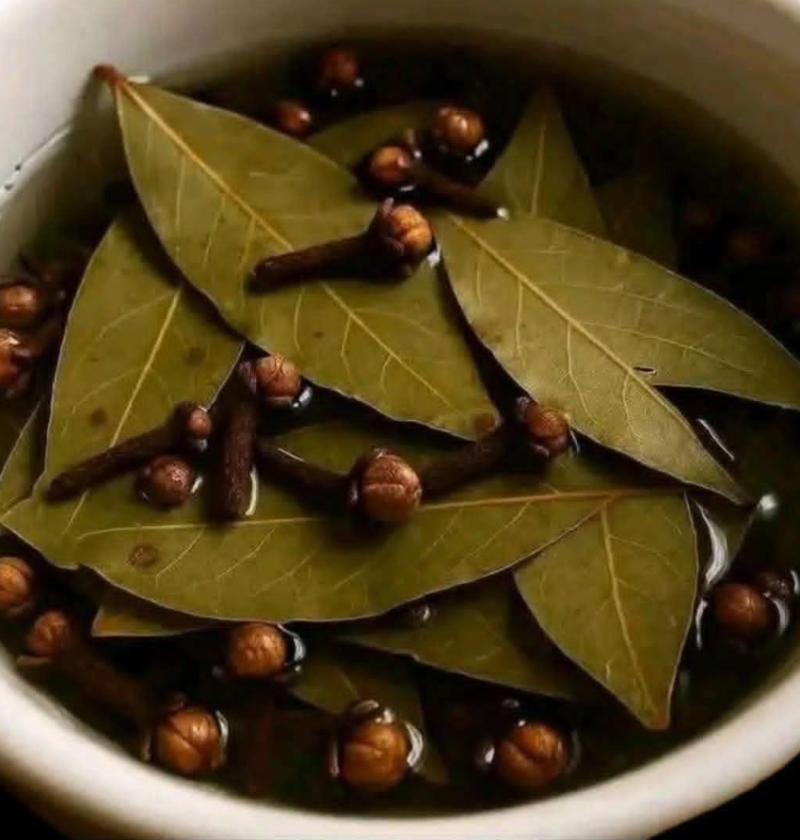
- 3–4 dried bay leaves
- 5–7 whole cloves
- 2 cups filtered water
- Optional: 1 teaspoon honey or a squeeze of lemon
Step-by-Step Instructions
- Add water to a small pot over medium heat.
- Add bay leaves and cloves.
- Bring to a gentle boil.
- Reduce heat and simmer 10–15 minutes.
- Turn off heat and strain.
- Add honey or lemon if desired.
- Serve warm.
For a milder flavor, reduce simmering time to 8–10 minutes.
🌟 Traditional Benefits (Supportive, Not Medical Claims)
1️⃣ Digestive Comfort
The warming nature of both spices may help reduce occasional bloating and support normal digestion after meals.
2️⃣ Relaxation Support
A warm, caffeine-free beverage in the evening can signal the body to wind down, especially when paired with a consistent bedtime routine.
3️⃣ Antioxidant Content
Both ingredients contain plant compounds that help combat oxidative stress.
4️⃣ Circulatory Warmth
Clove’s natural warmth may promote a feeling of improved circulation.
📊 Nutritional & Functional Breakdown (Per 2-Cup Serving)
| Ingredient | Quantity Used | Approx. Weight | Functional Value |
|---|---|---|---|
| Bay Leaves | 3–4 leaves | 1–1.5 grams | Contains aromatic oils that support digestive comfort |
| Whole Cloves | 5–7 cloves | 0.8–1 gram | Rich in antioxidants like eugenol |
| Water | 2 cups | 480 ml | Hydration and extraction medium |
| Honey (optional) | 1 teaspoon | 7 grams | Natural sweetness and soothing effect |