10 Tricks to Bloom Fishbone Cactus Quickly 🌵✨
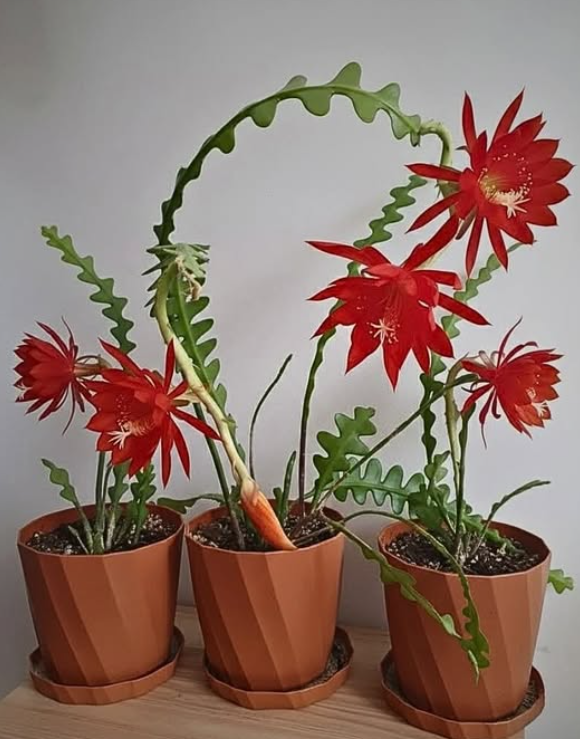
The fishbone cactus (Epiphyllum anguliger) is famous for its dramatic zigzag stems—but what most growers really want are the spectacular, fragrant blooms. The challenge? This cactus can be stubborn. Many healthy-looking plants grow for years without producing a single flower.
The good news is that fishbone cactus blooming isn’t a mystery—it’s a matter of understanding how this plant behaves in nature and recreating those conditions at home. In this detailed guide, you’ll discover 10 proven, practical tricks that help encourage faster blooming, while avoiding the most common mistakes that delay flowers.
This article focuses on realistic expectations, plant safety, and long-term success—not gimmicks or exaggerated claims.
Why Fishbone Cactus Refuses to Bloom
Fishbone cactus is not a desert cactus. It’s a tropical epiphytic cactus that naturally grows in tree canopies, where light, moisture, and nutrients are very different from typical cactus conditions.
According to Dr. Leila Nour, a tropical plant researcher, “Most bloom failures come from treating epiphytic cacti like desert cacti. They need balance, not extremes.”
Before jumping into tricks, understand this key rule: flowers are a response to correct stress—not neglect.
Trick #1: Give Bright Indirect Light (Not Harsh Sun)
Fishbone cactus needs plenty of light to bloom, but direct midday sun can scorch stems and stall flowering.
- Ideal location: near an east- or bright north-facing window
- Outdoor option: dappled shade or morning sun only
- Too little light = lush growth, no flowers
Light intensity is one of the strongest bloom triggers.
Trick #2: Let the Plant Mature
Age matters.
Most fishbone cacti won’t bloom until they are at least 2–3 years old and well established. Younger plants focus on stem growth rather than reproduction.
Prof. Mark Benson, a horticulture specialist, explains: “Blooming requires stored energy. Immature plants simply don’t have the reserves yet.”
Trick #3: Use the Right Potting Mix 🌱
Standard cactus soil is often too dry for fishbone cactus.
A better mix includes:
- Light potting soil
- Orchid bark or coco chips
- Perlite or pumice for airflow
Roots need oxygen as much as moisture. Compacted soil delays flowering.
Trick #4: Water Deeply—Then Let It Dry Slightly
Fishbone cactus prefers a rhythm, not constant moisture.
- Water thoroughly until excess drains out
- Allow the top inch or two of soil to dry
- Never let the pot sit in standing water
Inconsistent watering is a common reason buds never form.
Trick #5: Feed Lightly, but Consistently
Blooming requires nutrients—but too much fertilizer causes leafy growth instead of flowers.
Best approach:
- Diluted balanced fertilizer (¼ strength)
- Every 4–6 weeks during spring and summer
- Stop feeding in late fall and winter
Nutritionist Sarah Coleman notes, “Overfeeding stresses plants in the wrong direction. Gentle consistency wins.”
Trick #6: Slight Root Restriction Encourages Blooms
Fishbone cactus often blooms better when slightly root-bound.
If repotted too frequently or into oversized pots, the plant may delay flowering while expanding roots.
Repot only when:
- Roots circle the pot heavily
- Soil breaks down and drains poorly
Trick #7: Provide a Cool Rest Period ❄️
This is one of the most overlooked bloom triggers.
In nature, fishbone cactus experiences cooler nights during certain seasons.
To mimic this:
- Lower nighttime temperatures to 55–65°F in winter
- Reduce watering slightly (not drought)
- Avoid fertilizer during this period
This “rest” signals the plant to prepare flower buds.