Bearded Irises: Complete Care, Planting, and Blooming Guide
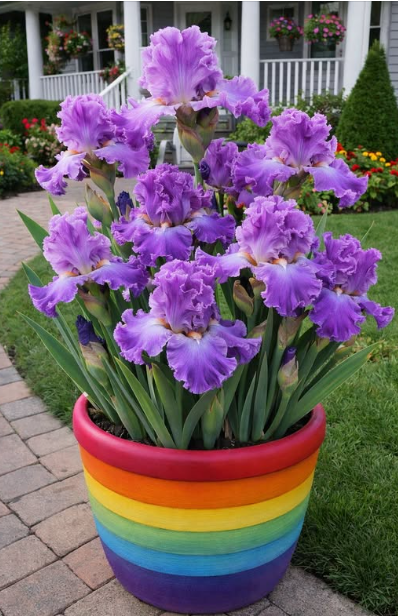
Bearded irises are among the most striking perennial flowers for any garden. Known for their tall, elegant stalks, colorful blooms, and characteristic “beard” of fuzzy hairs on the petals, these flowers bring charm and sophistication to landscapes, borders, and flower beds. Whether you are a beginner or experienced gardener, understanding how to care for bearded irises ensures vibrant blossoms year after year.
Understanding Bearded Irises
Bearded irises (Iris germanica) are rhizomatous perennials, meaning they grow from thick horizontal stems called rhizomes. These rhizomes store nutrients, allowing the plant to survive dormant periods and regrow each season. Key characteristics include:
- Colorful blooms in shades of purple, blue, white, yellow, pink, and bi-color varieties
- Distinctive fuzzy “beard” on the lower petals
- Tall flowering stalks that rise above basal foliage
- Deciduous foliage that dies back in winter
Bearded irises are sun-loving, cold-hardy, and relatively low-maintenance once established.
Choosing the Right Location
Sunlight is critical for strong growth and abundant blooms. For optimal results:
- Plant in full sun for at least 6–8 hours per day
- Ensure good air circulation to prevent fungal disease
- Avoid areas with waterlogged soil
- Provide a slight slope or raised bed if drainage is poor
Bearded irises also benefit from open space where their tall stalks can display without crowding neighboring plants.
Soil Requirements
Bearded irises prefer well-draining soil. Key soil tips include:
- Neutral to slightly acidic soil (pH 6.8–7.0)
- Light, loamy soil enriched with compost
- Avoid heavy clay or wet soils, which can rot rhizomes
Adding a layer of gravel or coarse sand beneath rhizomes in poorly drained areas can improve survival and flowering.
Planting Bearded Irises
Proper planting ensures strong growth and blooms:
Steps:
- Choose healthy rhizomes with firm texture and no signs of disease.
- Dig a shallow hole slightly wider than the rhizome.
- Place the rhizome horizontally with roots spread beneath.
- Ensure the top of the rhizome is just above soil level; burying too deep reduces blooming.
- Backfill with soil and water lightly.
Spacing between plants should be 12–24 inches to allow airflow and prevent overcrowding.
Watering Guidelines
Watering is crucial, especially during the first growing season:
- Keep soil moist until rhizomes are established.
- Once established, water sparingly; overwatering can cause rot.
- During dry spells, water deeply once or twice a week.
- Avoid watering foliage directly to prevent leaf diseases.
Fertilizing Bearded Irises
Fertilization supports healthy leaves and vibrant blooms:
- Apply low-nitrogen fertilizer (5-10-10) in early spring.
- A second light application after bloom encourages root and rhizome growth.
- Avoid high-nitrogen fertilizers, which promote leaf growth over flowers.
- Incorporate compost annually to enrich the soil.
Pruning and Maintenance
Proper maintenance keeps irises healthy and blooming for years:
- Remove spent flower stalks after blooming to encourage new growth.
- Trim yellowing or diseased foliage to reduce pest problems.
- Divide overcrowded rhizomes every 3–4 years to maintain vigor.
- Inspect for soft or rotting rhizomes; discard any unhealthy sections.
Pest and Disease Control
Bearded irises are generally hardy, but some issues can occur:
- Iris borers: larvae that tunnel into rhizomes; prevent with early insecticide treatment.
- Fungal leaf spots: remove affected leaves and improve airflow.
- Root rot: caused by poorly drained soil; ensure rhizomes remain dry at the top.
- Aphids: spray with water or insecticidal soap as needed.
Early detection and cultural care prevent most problems.
Encouraging Massive Blooms
To maximize flowering:
- Plant in full sun with well-draining soil.
- Divide rhizomes when crowded to allow energy for blooms.
- Fertilize lightly in early spring and after bloom.
- Maintain proper watering—avoid overwatering during dormant months.
- Ensure good air circulation to prevent disease.
Healthy, vigorous plants produce larger and more abundant flowers.