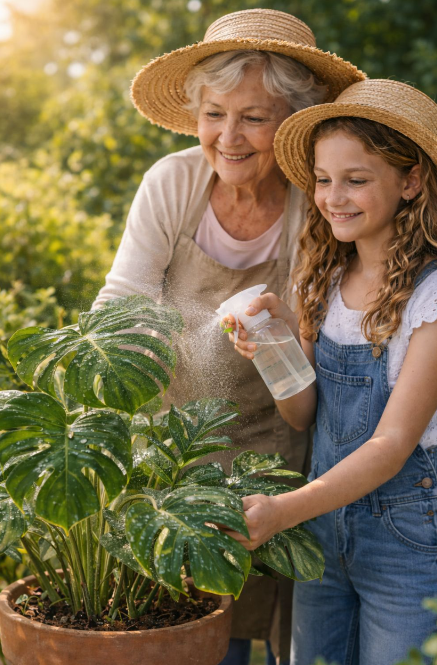
🌿 How to Care for Monstera: Light, Watering, and Moisture Tips for Healthy Growth
Monsteras — affectionately called the “Swiss Cheese Plant” — are one of the most beloved houseplants around the world. Their dramatic split leaves, vigorous growth, and tropical vibe make them a favorite for both new plant parents and seasoned indoor gardeners alike. But to keep your Monstera lush, vibrant, and thriving, it’s important to understand its needs — especially when it comes to light, watering, and humidity.
Whether you brought your Monstera home yesterday or you’ve had it for years, this comprehensive guide will teach you everything you need to know about caring for it properly. You’ll discover how to optimize its environment, avoid common care mistakes, and create the perfect routine that supports fast and healthy growth.
Let’s unlock the secrets to keeping your Monstera happy and green! 🌱
☀️ 1. Best Light for Monstera: Bright, Indirect Sunshine
One of the most important factors for a thriving Monstera is light. In the wild, Monstera deliciosa grows beneath the canopy of tall tropical trees. This means it’s adapted to bright, filtered light rather than intense direct sunlight. Getting this right helps the plant build strong leaves, maintain color, and grow faster.
🌞 What Kind of Light Does Monstera Prefer?
Monstera plants flourish in bright, indirect light. Too little light and they grow slowly, with leggy stems and smaller leaves. Too much direct sun can scorch the leaves, leaving brown or yellow patches.
- ✅ Best Placement:
- Near windows with light curtains or blinds
- Close to east or north-facing windows
- Bright rooms without direct harsh sun
- ❌ Avoid:
- Direct afternoon sun through west-facing windows
- Dark corners or rooms with very low light
💡 Tip: If you notice your leaves turning yellow or brown, it could be getting too much intense light. If stems stretch and become elongated, it may need more brightness.
✨ Maximum vs Minimum Light Levels
Monsteras are flexible — they prefer bright light but can tolerate medium light. In practical terms:
- Ideal: Bright indirect light for 6–8 hours a day
- Acceptable: Medium light (just not dark shade)
- Too Little Light: Growth becomes slow and leggy
- Too Much Direct Sun: Scorched leaves and stressed plant
Most indoor owners find success placing their Monstera a few feet back from a south or west-facing window, or right beside an east-facing one.
💧 2. Watering Your Monstera: How Often and How Much
Watering is another cornerstone of healthy Monstera care. Water too often and you risk root rot. Water too rarely and the plant will dry out and stop growing. The key is learning how to read your plant’s soil.
🌿 Watering Basics
Monstera plants like the soil to be evenly moist but never waterlogged. In practical terms, this usually means watering about once or twice per week during the growing season (spring and summer), and less in fall and winter.
- ✅ Best Routine:
- Check the soil before watering
- Water when the top 1–2 inches of soil feel dry
- Water thoroughly until water drains out
- ❌ Avoid:
- Overwatering and letting water pool at the bottom
- Watering on a strict schedule without checking soil
💡 Tip: Always use pots with drainage holes — that’s essential for preventing standing water, which can lead to root problems.
💦 How to Know When to Water
Every home and every pot drains differently. So rather than watering on a calendar alone:
- Stick your finger into the top soil (about two inches deep).
- If it feels dry at that depth → it’s time to water.
- If it feels moist → wait a day or two before checking again.
This simple soil-check method helps you avoid both underwatering and overwatering.
🌿 3. Moisture & Humidity: Tropical Needs for Tropical Plants
Monsteras originate in the rainforests of Central America, where humidity is high and the air is rich with moisture. While they aren’t extreme humidity junkies, they definitely prefer a more humid environment than a dry household.
💧 Why Humidity Matters
Higher humidity helps improve overall plant vigor, supports leaf development, and minimizes stress. Leaves tend to look healthier, glossier, and more robust when humidity is adequate.
🌦️ How to Increase Humidity at Home
- Spray leaves 2–3 times per week with room-temperature water
- Place a tray or bowl of water near the plant — evaporation helps raise humidity
- Use a humidifier, especially during dry winter months
- Group plants together — they create a micro-humid zone collectively
💡 Tip: Avoid misting in direct cold air drafts or right before lower night temperatures — it’s better to mist when the air is calm and slightly warm.
📊 Monstera Functional Care Summary Table
| Care Factor | Recommended Condition | How to Measure | Practical Benefit |
|---|---|---|---|
| Light | Bright, indirect light | Window placement + leaf color | Healthy growth and leaf development |
| Watering | Moist soil, not soggy | Soil dryness check (1–2 in deep) | Prevents root rot and dehydration |
| Humidity | 40–60% preferred | Humidity gauge / environmental cues | Lush leaves and vibrant overall health |
| Temperature | 65–85°F (18–29°C) | Room thermometer | Supports metabolic processes |
| Soil | Well-aerated, free-draining | Soil mix texture (peat + perlite) | Good root oxygen and moisture balance |
🌱 4. Best Soil & Pot Choices for Monstera
Monsteras like soil that holds moisture but drains quickly. A blend of rich organic material with aeration components helps roots breathe and prevents soggy conditions. A common mix is peat-based soil with perlite, orchid bark, and coco coir.
- Key Traits of Good Soil:
- Moisture retention without being waterlogged
- Light and airy to promote root health
- Neutral pH level (around 5.5–7)
- Good Pot Choices:
- Pots with drainage holes — absolutely necessary
- Ceramic or breathable material helps soil dry evenly
💡 Pro Tip: Avoid glazed pots without drainage — they can hold water and drown the roots even if the top soil looks dry.