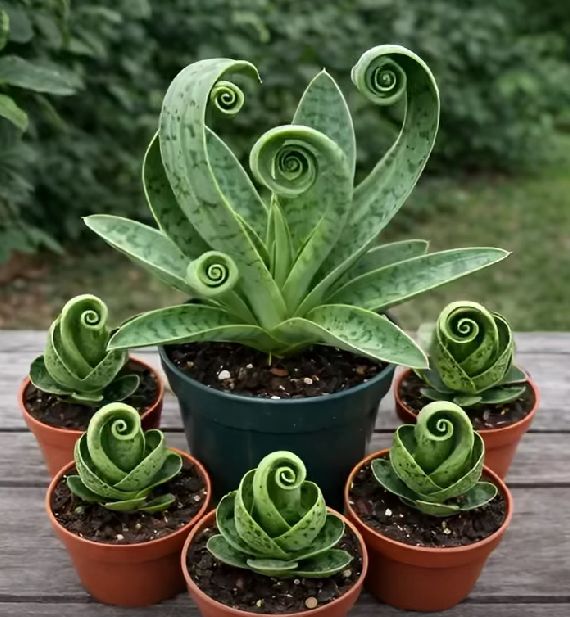
🌿 How to Make a Snake Plant Grow in a Spiral or Circle Shape
Imagine a gorgeous, living spiral of rich green leaves in your home — a snake plant shaped like a coil or circle that becomes a centerpiece in your living space. Snake plants (Sansevieria), with their tall, elegant foliage, are already one of the easiest houseplants to care for. But shaping them into spirals or circular forms takes a little guidance, creativity, and patience.
If you’ve ever struggled to make your plant grow “just the way you want,” this article will walk you through every step of training a snake plant to grow in a spiral or circular shape — from choosing materials, building support frames, tying the plant safely, troubleshooting problems, and understanding how snake plants grow naturally. Whether you’re a beginner houseplant lover or a seasoned gardener, you’ll find clear, practical instructions.
By the end of this guide you’ll understand not only how to shape your snake plant but also why specific techniques work best — plus how to keep your plant happy and healthy throughout the process.
🌱 Introduction: Why Shape a Snake Plant?
Snake plants naturally grow upright, with long, strap‑like leaves emerging from a rosette at the soil level. They don’t naturally spiral or coil on their own — unlike some vining plants. So to achieve a spiral or circle, we must gently guide them. This process is similar to shaping bonsai trees or training vines: we interact with the plant’s natural growth direction and redirect it.
There are several reasons people choose to train snake plants into shapes:
- Decorative appeal: Spiral, circle, or geometric shapes stand out in home décor compared to straight, vertical stacks of leaves.
- Creative gardening: Shaping plants brings a sense of artistry and personal connection to your gardening practice.
- Space management: Circular or spiral growth can help compact the plant into a smaller footprint.
Before we dig into shaping techniques, it helps to understand how snake plants grow — this knowledge will make the training process more intuitive and successful.
🌿 Understanding Snake Plant Growth
Snake plants (Sansevieria), also known by the updated botanical name Dracaena trifasciata, are succulent‑like in their water storage and generally slow growers. Their leaves grow in a stiff, upright manner and new leaves emerge from the base of the plant. This means that you don’t bend existing leaves as much as you gently guide new leaves into the shape you want.
Here are a few key characteristics that matter when shaping:
- Rigid growth: The leaves are thick and sturdy, so forcing them too hard can snap them. Training should be gentle.
- New growth at the base: Leaves grow vertically from the plant’s crown, so you’ll shape as new leaves emerge.
- Slow growth rate: Snake plants don’t explode in size quickly — this means patience pays off. You’ll see slow but meaningful results over weeks and months.
With that in mind, let’s prepare your tools and materials.
🛠️ What You’ll Need (Materials & Tools)
Here’s a list of what you’ll want before starting your spiral shaping project. Most items are affordable and easy to find at garden stores or online:
- Healthy snake plant — Choose a plant with flexible, younger leaves if possible.
- Support frame — This could be a spiral, ring, or circular trellis made from metal or strong wire.
- Soft plant ties — Use twine, soft coated wire, plant clips, or Velcro plant ties.
- Bamboo sticks or plant stakes — Helpful for creating a frame or support structure.
- Clean pruning shears — For trimming stray growth when needed.
- Pot with drainage holes — Good drainage prevents rot.
- Well‑draining potting soil — A succulent or cactus mix works well.
Every piece of equipment has a specific role. For example, soft ties allow you to secure leaves gently without pinching or bruising them. A sturdy frame guides the shape. And well‑draining soil keeps the plant healthy while you shape it.
🔧 Step‑by‑Step: Training Your Snake Plant
Now let’s walk through the training process from start to finish.
1. Select the Right Plant
Not all snake plants are equally easy to shape. When selecting one:
- Choose a plant with bright, healthy leaves.
- Avoid leaves that are too rigid — younger leaves bend more easily.
- If your plant is very tall or bent, consider repotting first to strengthen the base.
Remember that snake plants like bright, indirect light — they’ll grow best under these conditions, which helps with shaping.
2. Create or Buy a Support Frame
Your frame is the template your plant will grow into. You have a few options:
- Metal spiral frame: Wire bent into a spiral shape that your leaves can follow.
- Circular ring: A round hoop that guides leaves into a circle.
- Bamboo or wooden stakes: Arranged into a shape you want and tied together.
If you can’t find a ready‑made frame, you can create one:
- Use thick, bendable wire (like electrical wire or garden wire).
- Shape it into a spiral or circle with pliers.
- Make it tall enough to support new growth but not so big that the plant can’t reach it.
3. Position the Frame in the Pot
Gently insert your frame into the pot without damaging roots. Push it down into the soil until it’s secure. Your plant should now have something to lean on as it grows.
Tip: If your plant is small, place the frame slightly behind it so new leaves grow into the shape.
4. Tie New Leaves to the Frame
This is the heart of the shaping process.
As new leaves emerge, gently attach them to the support frame with soft ties. Here’s how:
- Wrap ties around the leaf loosely — never tight.
- Fix the leaf’s direction by guiding it along the curve of the frame.
- Check every week to adjust ties as leaves grow.
Important: Never force a leaf into a shape. Snake plant leaves are sturdy, but they can snap if bent too sharply.
5. Adjust and Retie Over Time
Growth happens over weeks and months. Periodically check the plant:
- Loosen ties that become too tight.
- Retie leaves to keep them on track.
- Guide new leaves into the spiral or circle.
Patience is key. Very slow, gradual changes prevent damage and let the plant adjust naturally.
✂️ Pruning for Shape and Control
Sometimes a leaf grows out of the desired pattern. In those cases, you can prune it:
- Use clean pruning shears.
- Trim just above a healthy node or base point.
- This encourages new leaves to grow in the right direction.
Be careful not to over‑prune. You want the plant to keep enough leaves for vibrant growth, not just shape alone.
💡 Care Tips While Training Your Plant
Training is only effective when the plant is healthy. Follow these care basics:
- Light: Bright, indirect light keeps growth steady without burning leaves.
- Water: Let the soil dry between waterings. Overwatering leads to rot.
- Temperature: Ideal range is 65–85°F (18–29°C). Avoid cold drafts.
- Soil: Use a well‑draining mix — cactus or succulent mixes work well.
Good care means stronger growth that responds better to shaping.
⚠️ Common Mistakes to Avoid
Training snake plants can be rewarding, but mistakes slow you down or damage the plant. Here’s what to watch out for:
- Tight ties: If the tie cuts into the leaf, it can scar or weaken the plant.
- Forcing bend: Never force a leaf into place — you risk breaking it.
- Poor light: Low light slows growth and makes shaping harder.
- Overwatering: A trained plant still needs good watering habits.
🌟 Troubleshooting: What If It’s Not Working?
If your plant doesn’t seem to bend or follow the shape:
- Move it to brighter light (indirect).
- Check that the ties are not too tight.
- Be patient — young leaves take time to adjust.
- Try training only one or two leaves at a time.
Some plants just take longer. Keep consistent and gentle guidance.
📆 How Long Does It Take?
Every plant grows at its own pace, but here’s a general timeline:
- Initial setup: 1–2 days
- Early shaping: 1–4 weeks
- Visible spiral formation: 2–3 months
- Full effect: 3–9 months
Again, patience pays off. It’s a slow but rewarding process.
💬 Frequently Asked Questions (FAQs)
1. Can any snake plant grow in a spiral?
Yes — but varieties with thicker, stronger leaves require more gentle guidance. Younger plants are easier to shape.
2. Will shaping harm my plant?
If done gently with soft ties and careful adjustment, shaping will not harm your snake plant.
3. Do I need special tools?
No — soft ties, a frame, and basic pruning shears are all you need.
4. Can I shape snake plants without a frame?
Frames help guide growth, but creative gardeners use sticks, rings, or homemade supports too.
5. What if a leaf breaks?
Trim it cleanly with shears. New leaves will continue to grow.
6. How often should I water?
Let the soil dry fully between waterings — snake plants store water well and don’t like wet feet.
7. Can I shape a large snake plant?
Yes, but larger leaves may be less flexible. Work slowly and add supports incrementally.
8. Does the shape last forever?
As the plant grows, you may need to adjust ties and frame positions to maintain the shape.
9. Will shaped growth stunt the plant?
No — as long as light, water, and soil conditions are good, the plant will keep growing normally.
10. Can I train multiple plants together?
Yes — you can shape several within one trellis or frame for artistic arrangements.
🌼 Final Thoughts and Takeaways
Training your snake plant to grow in a spiral or circle isn’t a quick trick — it’s a gentle, patient process that transforms a common houseplant into a living work of art. By understanding how snake plants grow, creating thoughtful support structures, using soft ties, and regularly guiding new leaves, you can achieve beautiful, custom shapes that reflect your personal style.
Remember to care for your plant’s overall health: light, water, soil, and temperature all matter. With gentle guidance and consistency, you’ll see gradual progress — and the satisfaction of shaping a thriving plant.
So grab your tools, set up your frame, and enjoy the creative journey of training your snake plant into a stunning spiral or circle shape!