This Kitchen Scrap Trick Makes Peace Lilies Bloom Indoors 🤍🌿
Peace Lilies are one of the most popular indoor plants in American homes. Their deep green leaves look healthy almost anywhere—but when it comes to flowers, many plant owners get frustrated.
If your Peace Lily looks fine but never blooms, the problem usually isn’t light or watering alone.
The real secret?
👉 Gentle natural nutrients—often hiding in your kitchen trash.
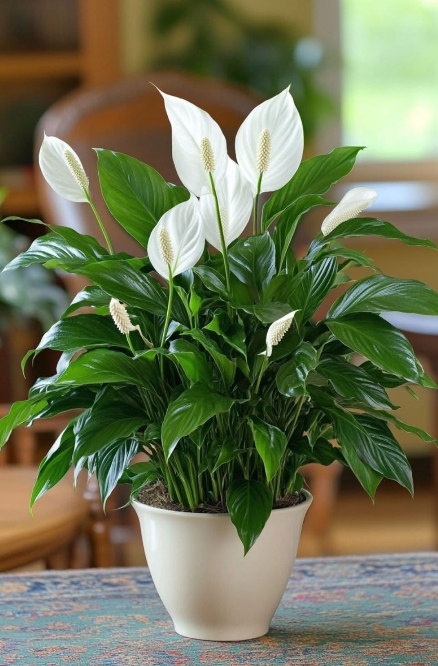
In this guide, you’ll learn how vegetable kitchen waste, used the right way, can help your Peace Lily finally produce those iconic white blooms.
⸻
Why Peace Lilies Often Refuse to Bloom
Peace Lilies are sensitive communicators. They won’t flower unless several internal signals align.
Common bloom blockers include:
•Repeated plain watering with no nutrients
•Tired, depleted potting soil
•Weak root signaling
•Overuse of strong chemical fertilizers
•Stress from sudden care changes
The plant may survive—but flowering is a luxury response, not a survival one.
⸻
Why Gentle Nutrients Matter More Than Strong Fertilizers
Many people assume more fertilizer equals more flowers.
For Peace Lilies, that’s usually wrong.
These plants prefer:
•Mild, slow-release nutrients
•Low-salt inputs
•Organic matter that supports soil life
Vegetable-based liquid fertilizer works because it feeds the soil first, not the plant directly.
Healthy soil → active roots → stable energy → flowers.
⸻
What Is Vegetable Waste Fertilizer?
Vegetable waste fertilizer is not compost dumped into the pot.
It’s a light, diluted liquid made from safe kitchen scraps that releases nutrients slowly.
Safe scraps include:
•Carrot peels
•Potato peels
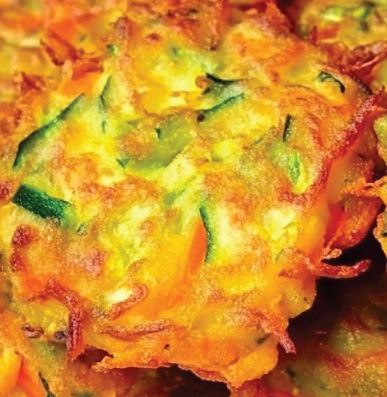
•Zucchini skins
•Leafy greens
•Unsalted vegetable cooking water
🚫 Never use salty, oily, spicy, or cooked leftovers.
⸻
How This Natural Method Triggers Flowering
When applied correctly, this gentle fertilizer helps Peace Lilies by:
•Improving root activity
•Supporting microbial balance in soil
•Strengthening leaf structure
•Sending “safe to bloom” signals to the plant
Once the plant feels stable, it redirects energy toward flower production.
⸻
How to Make Vegetable Waste Fertilizer (Safe Indoor Method)
Step 1: Collect
Use only fresh, raw vegetable scraps.
Step 2: Soak
Place scraps in a container of water for 12–24 hours.
Step 3: Strain & Dilute
Strain the liquid and dilute it heavily until it looks like lightly tinted water.
Step 4: Apply Carefully
•Soil must be slightly dry
•Pour slowly around the base
•Use once every 3–4 weeks only
Never pour on leaves or let it pool in the saucer.
⸻
What Changes You’ll Notice First
Before flowers appear, the plant shows subtle signs:
•Darker, glossier leaves
•More upright posture
•Stronger central growth
•New bud formation near the center
Flowers usually follow once these signs stabilize.
⸻
Light Still Plays a Role (But Less Than You Think)
Peace Lilies bloom best in:
•Bright, indirect light
•Stable indoor temperatures
•Well-draining pots
This fertilizer supports flowering—but doesn’t replace proper placement.
⸻
Common Mistakes That Stop Blooms
Avoid these errors:
•Using concentrated liquid
•Applying weekly
•Mixing food scraps into soil
•Fertilizing during winter dormancy
•Overwatering after feeding
With Peace Lilies, less is more.
⸻
Frequently Asked Questions
Can this replace store-bought fertilizer?
For indoor Peace Lilies, gentle natural nutrients often work better than strong commercial products.
How long until flowers appear?
If conditions are right, buds may form within 4–8 weeks.
Can I use this on other houseplants?
Yes—many foliage plants respond well to mild vegetable-based nutrients.
Is this safe for pets?
Because it’s diluted and soil-applied, it’s generally safer than chemical fertilizers—but always keep pets away from pots.