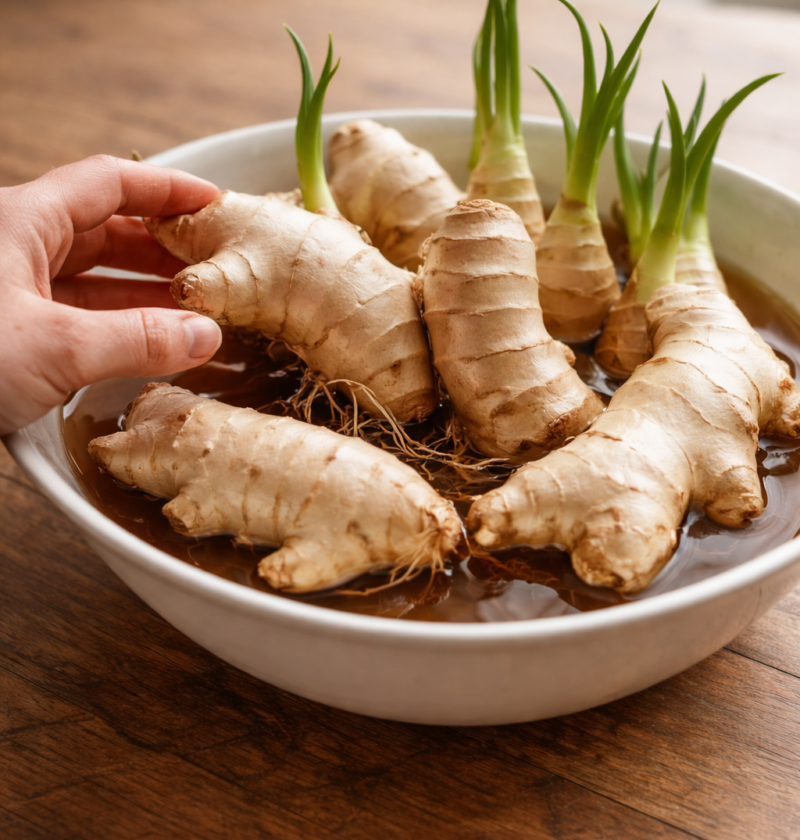
No Soil Needed: The Ultimate Beginner’s Guide to Growing Ginger in Water 🌱
Imagine harvesting fresh ginger right from your windowsill — no garden, no dirt, no complicated setup. That’s exactly what you can do when you grow ginger in water! This beginner‑friendly method brings one of the world’s most useful and flavorful plants into your home with minimal effort. In this comprehensive guide, we’ll walk you step‑by‑step through everything you need to know: from choosing the best rhizome to nurturing your water‑grown ginger into robust growth.
Whether you’ve never grown a plant before or you’re simply looking for an easy indoor gardening project, you’ll discover why this method has become so popular. We’ll also explore the benefits, common mistakes, expert tips, troubleshooting advice, and much more to help you succeed.
🌿 Why Grow Ginger in Water?
Growing ginger in water might seem unusual, but it’s an accessible and educational way to bring gardening into your home — especially when space, soil access, or outdoor environment is limited.
✨ Top Benefits of Water‑Based Ginger Growing
- No Soil, No Mess: Perfect for apartments, classrooms, or small indoor spaces.
- Visual Growth Experience: Watching roots and shoots develop in clear water is fascinating and educational.
- Year‑Round Growing: With proper indoor light, you aren’t limited by outdoor seasons.
- Great First Project: Excellent way to build confidence in gardening basics.
- Eco‑Friendly: You’re recycling water and growing food without pesticides.
Unlike soil gardening where microorganisms and nutrients can be complex to manage, water propagation simplifies the environment so you can watch and learn.
🛠️ What You’ll Need to Grow Ginger in Water
Before you begin, gather the following essential items. These are inexpensive and often easy to find at home or in garden centers.
- Fresh Ginger Rhizome – Look for firm, plump pieces with visible “eyes” or growth buds.
- Glass or Clear Plastic Container – A shallow bowl, jar, or vase works perfectly.
- Fresh Water – Filtered water is preferred if your tap water is heavily chlorinated.
- Indirect Sunlight Source – A bright windowsill with gentle light.
- Optional: Pebbles or Support – Helps keep the rhizome positioned upright.
📌 Step‑by‑Step Instructions for Growing Ginger in Water
Follow these steps carefully for the best chance of success:
1. Select the Right Rhizome
Choose a ginger rhizome with firm skin and several visible “eyes” — small bumps or nodes where sprouts will emerge. Avoid shriveled or moldy pieces, as these are less likely to sprout.
2. Prepare the Ginger for Water Growing
Bring your ginger to room temperature. You can soak it in filtered water for a few hours to rehydrate if it looks dry. No need to peel the skin — it will sprout through it.
3. Set It in the Container
Position the ginger so that at least one or two “eyes” are facing upward. Fill the container with water so that about half of the rhizome is submerged — not fully underwater, but enough to cover where roots will form.
4. Provide Adequate Light
Place your container where it gets bright yet indirect sunlight. Ginger doesn’t like harsh, direct sun — too much can heat the water and damage the plant.
5. Change Water Regularly
Replace the water every 2–3 days to keep it fresh and oxygenated. This prevents algae, bacteria, or unpleasant smells from developing.
6. Watch the Magic Happen!
Within 2–4 weeks you should see roots and shoots emerging. Be patient — growth may be slow at first, but once established it accelerates.
🌿 Benefits Table: Growing Ginger in Water
| Aspect | Detail | Measurement / Example | Practical Value |
|---|---|---|---|
| Light Requirement | Indirect sunlight | 6–8 hours daily | Prevents overheating and supports growth |
| Water Change Frequency | Regular refresh | Every 2–3 days | Keeps water oxygenated and clean |
| Rhizome Submersion | Half‑submerged | ≈ 50% in water | Encourages root development without rot |
| Ideal Container | Clear glass or plastic | Wide mouth jar | Easy to observe growth |
| Growth Indicators | Shoot and root emergence | 2–4 weeks | Shows healthy development |
🌞 Light, Water, and Environment: The Essentials
Two factors determine success with water‑grown ginger: light and water quality.
- Indirect Sunlight: Too much direct sun can heat the container and harm tender roots.
- Clean Water: Changing water often prevents stagnation, odors, and slimy buildup.
- Temperature: Ginger prefers warmth — ideally 20–25 °C (68–77 °F).
Keeping consistent conditions helps ginger roots grow stronger and faster.
🔍 Common Mistakes to Avoid
Even with a simple method like water growing, beginners can slip up. Here are common pitfalls:
- Over‑Submerging the Rhizome: Too much water causes rot.
- Insufficient Light: Stunted growth and weak shoots.
- Neglecting Water Changes: Leads to bacteria and foul smells.
- Using Dirty Containers: Unclean containers promote algae growth.
- Placing in Direct Hot Sun: Can stress or burn the plant.
🥇 Beginner Tips from Experts
Horticulturist Dr. Laura Chen: “Fresh ginger with clear, firm ‘eyes’ gives the best start. The key is patience — ginger is not a fast‑growing plant initially, but steady care pays off.”
Indoor Garden Specialist Mark Rivera: “A clear container is more than aesthetic — it helps you spot early signs of rot or unhealthy growth so you can intervene quickly.”
These insights help you anticipate what healthy growth looks like and respond to issues early.
🌱 What to Expect Week by Week
Here’s a rough timeline to help set expectations:
- Weeks 1–2: Root initiation — you may not see much above water yet.
- Weeks 3–4: Shoots begin emerging from the rhizome “eyes.”
- Weeks 5–8: Roots strengthen and shoots reach higher toward light.
Remember: consistency beats speed. Ginger thrives with steady conditions.
🌾 What to Do if Growth Slows or Stops
If growth seems stagnant after 4–6 weeks:
- Check that water is clean and cool (not warm).
- Ensure your lighting is bright and indirect.
- Trim any slimy roots — this encourages fresh rooting.
Sometimes cleaning and refreshing the setup jump‑starts activity.
❓ Frequently Asked Questions (FAQs)
1. Can any ginger be used for water growing?
Only fresh ginger with visible growth buds (“eyes”) reliably sprouts in water.
2. How long until I can harvest usable ginger?
Water‑grown ginger can be harvested after several months; fuller rhizomes take longer.
3. Do I need fertilizer?
No — water propagation doesn’t require added nutrients, though some gardeners add gentle organic liquid fertilizer at low strength.
4. Will water‑grown ginger taste the same as soil‑grown?
Yes — flavor comes from the rhizome itself, not the growing medium.
5. Why is my ginger turning mushy?
Mushy texture usually means too much water — keep only half submerged and refresh frequently.
6. Can I transplant into soil later?
Absolutely — once roots are established, transplanting into soil can help the plant continue growing.
7. How often should I change the water?
Every 2–3 days keeps water fresh and oxygenated.
8. Is filtered water necessary?
Filtered water reduces chlorine and other additives that may slow growth, but tap water that sits out overnight can also work.
9. Can I grow ginger in water outdoors?
Yes — in warm climates without frost, but avoid hot direct sun.
10. How do I know when it’s ready to eat?
When the rhizome has grown plump and developed smell, you can taste a small piece — fresh young ginger is sweeter and milder.
🌟 Conclusion: Start Growing Ginger Easily at Home
Growing ginger in water is an accessible, satisfying project for beginners and indoor gardeners alike. With just a few supplies and a bit of patience, you’ll enjoy watching a lively plant develop roots and shoots right on your windowsill.
By selecting a healthy rhizome, maintaining fresh water, providing gentle light, and avoiding common mistakes, you set yourself up for success. This method makes gardening less intimidating and more educational — a perfect first step into the world of plant cultivation.
Ready to try more indoor growing projects? Once you master water propagation, you’ll find many other herbs and houseplants are just as fun and rewarding to grow!