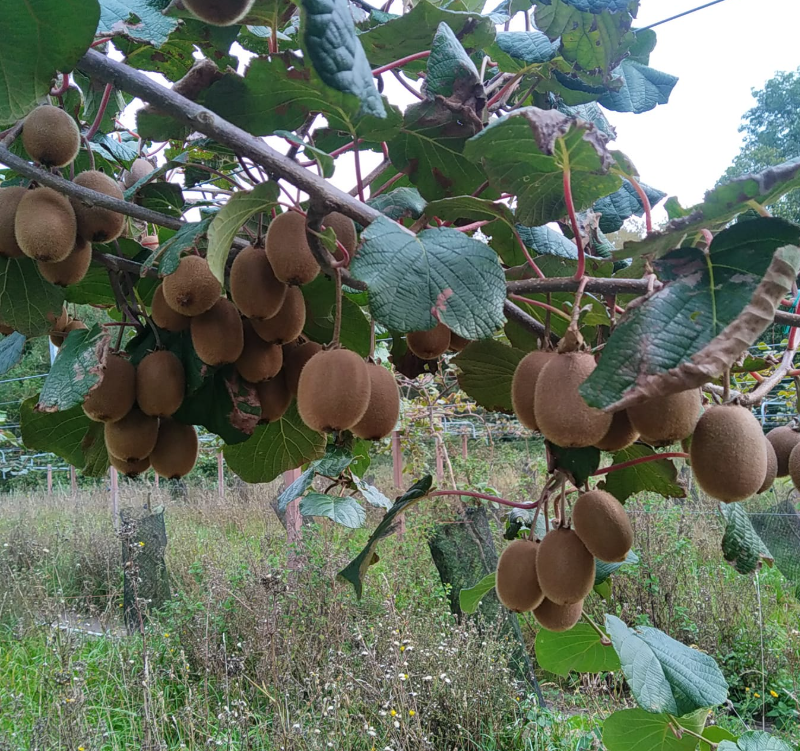
🥝 Growing Kiwi Fruit with Organic Banana Harmonies: The Easiest Method for Kiwi Tree Cultivation
Imagine stepping into your backyard and picking fresh, juicy kiwis from your very own tree — all supported by a natural ally you already have in your kitchen: bananas. This guide explores a simple yet powerful gardening method that combines kiwi tree cultivation with the organic benefits of banana peels. Whether you’re a beginner or a seasoned gardener, these techniques will help you grow healthy, productive kiwi trees using nature’s own fertilizers and support systems.
🌞 Step 1: Selecting the Right Location for Kiwi Trees
Kiwi vines love the sun. Choose a sunny spot in your garden that receives 6–8 hours of direct sunlight daily. Good airflow is important too, as it reduces the risk of fungal diseases. Additionally, ensure the soil is:
- Well-drained and fertile
- pH level between 5.5 and 7.0
- Protected from strong winds (a trellis or fence helps)
🌿 Step 2: Choosing the Ideal Kiwi Variety
Kiwi vines come in both male and female types — and you’ll need at least one male for every 6–8 female plants to produce fruit (unless you’re growing a self-fertile variety like Issai). Popular varieties include:
- Hayward: The most common commercial variety, large and sweet
- Bruno: Early-maturing, smaller fruit, excellent for home gardens
- Issai: Self-pollinating, compact, ideal for small spaces and containers
🪴 Step 3: Planting Your Kiwi Trees
🌱 How to Plant
- Dig a hole twice as wide and the same depth as the root ball.
- Place the plant carefully, ensuring the root crown is level with the soil surface.
- Backfill with nutrient-rich soil and water deeply to eliminate air pockets.
🌿 Spacing Matters
Space kiwi vines 10–15 feet apart for optimal airflow and growth. Trellising is highly recommended to support their vigorous climbing habit and improve fruit access.
💧 Step 4: Watering and Nutrient Needs
Kiwi trees need consistent watering, especially during their first 2–3 years and during fruit development.
- Water deeply once or twice a week, depending on weather and soil.
- Let the topsoil dry slightly between waterings to prevent root rot.
- Use organic fertilizers high in nitrogen during the growing season and phosphorus/potassium during flowering.
🍌 Step 5: Harnessing the Power of Organic Bananas
Bananas — specifically the peels — are one of the best-kept secrets for garden success. Rich in potassium, calcium, and magnesium, they help boost flowering, fruiting, and overall plant health.
🍌 How to Use Banana Peels for Kiwi Growth
- Chop up banana peels and bury them around the base of your kiwi vine (3–4 inches deep).
- Apply every 3–4 weeks during the growing season for a slow-release nutrient boost.
- Banana peels also improve microbial life in the soil and support water retention.
Bonus: Some gardeners say that bananas contribute to a more humid microclimate near the soil, which benefits the moisture-loving kiwi roots — especially in drier climates.
✂️ Step 6: Pruning and Maintenance
Regular pruning is essential for healthy kiwi vines and improved fruit production.
- Prune during the dormant season (late winter) to shape the vine and remove old wood.
- Trim back vigorous summer growth to direct energy toward fruiting canes.
- Remove any dead or diseased wood immediately.
🐛 Step 7: Protecting Against Pests and Diseases
Though relatively hardy, kiwi vines can face issues like:
- Aphids and spider mites: Use neem oil or insecticidal soap.
- Powdery mildew: Improve air circulation, avoid overhead watering, and apply organic fungicides as needed.
- Root rot: Ensure good drainage and avoid waterlogging.
📊 Kiwi & Banana Harmony Benefits Table
| Element | Benefit | Application | Frequency |
|---|---|---|---|
| Banana Peel | Boosts potassium, calcium, and phosphorus | Chop and bury around roots | Every 3–4 weeks |
| Organic Compost | Improves soil structure and fertility | Mix into planting hole and top-dress | Seasonally |
| Mulch | Conserves moisture, prevents weeds | Apply 2–3 inch layer around the base | Spring & fall |
| Pruning | Enhances fruiting, air circulation | Cut back unproductive wood | Annually (winter) |
🚫 Common Kiwi Growing Mistakes to Avoid
- ❌ Planting in full shade — kiwi vines need sun to produce fruit.
- ❌ Overwatering or poor drainage — leads to root rot.
- ❌ Not providing support — kiwi vines need a trellis or arbor to climb.
- ❌ Skipping pruning — can reduce fruit yield significantly.
- ❌ Forgetting pollinators — unless growing self-fertile types, male vines are essential.
❓ 10 FAQs About Growing Kiwi with Bananas
1. Can I grow kiwi in a container?
Yes, compact varieties like Issai are suitable for large containers (at least 15–20 gallons).
2. How long does it take for kiwi trees to bear fruit?
Most vines take 3–5 years to produce fruit, depending on variety and care.
3. Do banana peels really help kiwi trees grow?
Yes — they release nutrients slowly and support soil microbes, enhancing root health and fruiting.
4. Can I use whole bananas instead of peels?
Yes, but it’s more efficient (and less wasteful) to use just the peels and compost the rest.
5. What kind of fertilizer works best for kiwi?
Organic, nitrogen-rich fertilizer in early growth, followed by balanced or phosphorus-rich blends during fruiting.
6. Can I grow kiwi vines indoors?
Not easily — kiwi vines need space, sunlight, and a trellis, making them better suited for outdoor or greenhouse cultivation.
7. Are kiwi vines cold-hardy?
Some varieties can tolerate cold, but most need protection below 10°F. Use mulch and wraps in colder zones.
8. How often should I water my kiwi vines?
Weekly during dry seasons; let the top 1–2 inches of soil dry out between watering.
9. Should I fertilize kiwi vines during winter?
No — stop fertilizing in late fall to allow the plant to go dormant properly.
10. What other fruits grow well near kiwis?
Grapes, passionfruit, and other vines with similar sun and soil needs make great companions.
🌟 Conclusion: A Harmonious Path to Homegrown Kiwi Success
Growing kiwi fruit doesn’t have to be complicated. By selecting the right location, choosing the right variety, and adding the nutrient-rich support of organic bananas, you create a naturally fertile, balanced environment for your kiwi trees. The result? Stronger plants, fewer chemicals, and sweeter harvests. With patience, care, and a little tropical synergy, your garden can produce this exotic fruit — no plane ticket required.