14 Vegetables You Can Grow in 5‑Gallon Buckets 🌱: The Ultimate Compact Garden Guide for Small Spaces
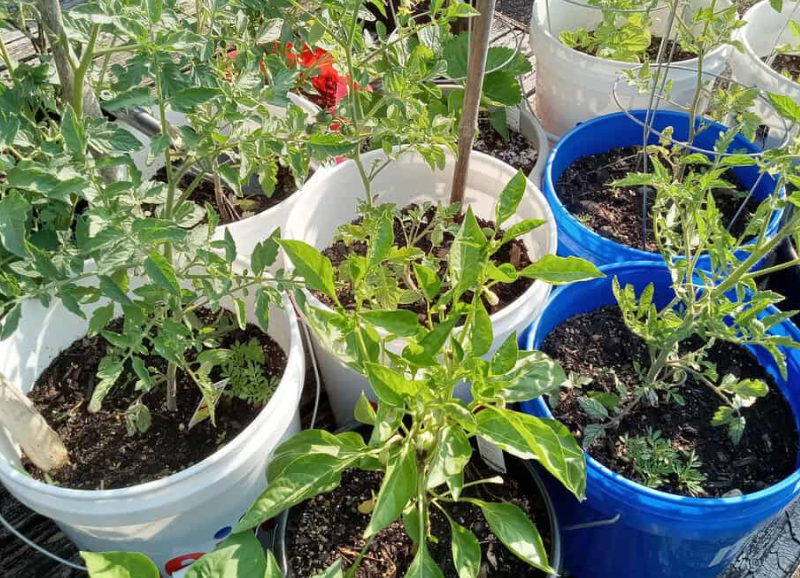
Have you ever looked at a stack of empty 5‑gallon buckets and wondered, “Can I really grow food in these?” After years of painting my home, I suddenly had an unexpected stash of buckets — and in a moment of curiosity turned them into garden containers. What started as an experiment became one of the most rewarding gardening projects I’ve ever undertaken. Instead of throwing them out, I filled them with potting mix, tucked seeds into the soil, and watched nature work wonders.
Whether you live in a city apartment, a suburban backyard, or a tiny patio, this guide will walk you through 14 vegetables that thrive in 5‑gallon buckets — no raised beds, sprawling land, or expensive hydroponic setups needed. By the end of this article, you’ll know exactly how to start your own compact garden, save space, save money, and grow delicious, nutritious produce right at home.
🚜 Why Bucket Gardening Works So Well
Bucket gardening is perfect for gardeners who face space limitations, poor soil quality, or simply want an easier way to manage their vegetable patch. The beauty of growing in containers is flexibility: you can move your plants to catch more sun, protect them from storms, and control soil conditions more effectively than in ground beds.
Before we jump into the specifics of each vegetable, here are a few foundational tips to ensure your bucket garden thrives:
- Drainage is essential — Without drainage holes, your plants risk root rot and fungal diseases.
- Use quality soil — Avoid garden soil that compacts in containers; instead, choose a rich, airy potting mix formulated for vegetables.
- Sunlight matters — Most vegetables need at least 6–8 hours of sun per day.
- Water consistently — Containers dry out faster than in‑ground gardens, so daily checks are crucial.
- Fertilize periodically — Over time, nutrients deplete, so supplement with compost or slow‑release fertilizer.
🌶️ 14 Vegetables Perfect for 5‑Gallon Buckets
Below is a list of vegetables proven to perform well in 5‑gallon containers — along with tips for planting, care, and harvesting success.
14. Peppers
Peppers — both sweet and spicy — are among the easiest vegetables to grow in containers. A single 5‑gallon bucket provides plenty of room for one pepper plant to spread its roots and produce abundant fruit.
Planting tips: Drill multiple holes in the bucket bottom for drainage and place in a spot that gets full sun. Start seeds indoors 8–10 weeks before the last expected frost, or transplant seedlings once the risk of frost has passed. Peppers love warm soil and consistent watering.
🌶️ Sweet bells, jalapeños, cayennes, and banana peppers all adapt well to bucket planting. Fertilize every 4–6 weeks for maximum yields.
13. Onions
Believe it or not, a 5‑gallon bucket can support up to 10 onion plants! Onions are compact, hardy, and surprisingly low‑maintenance when given proper soil and spacing.
Planting tips: Use onion sets (small bulbs) spaced about 3 inches apart. Plant roughly 8–10 weeks before your area’s last frost date. Choose a rich container mix and keep it evenly moist. Onions don’t like soggy soil, so good drainage is critical.
12. Tomatoes
Tomatoes are perhaps the most popular container crop — and for good reason. Many determinate (bush) varieties stay compact and fit perfectly in a 5‑gallon bucket.
Planting tips: Add a small tomato cage or stake early so you don’t disturb roots later. Choose nutrient‑rich soil with compost and water deeply. A slow‑release fertilizer can significantly improve fruit production. While large indeterminate varieties can be grown, they may require bigger containers and more structural support.
11. Carrots
Carrots actually prefer deep, loose soil — making a 5‑gallon bucket an ideal container. Just make sure the mix is free of rocks or hard clumps so roots can grow straight and long.
Planting tips: Sow seeds directly into the soil and keep it consistently moist through germination. Choose short or medium varieties like ‘Nantes’ or ‘Chantenay.’ Thin seedlings early to avoid crowding and small roots.
10. Cucumbers
Cucumbers can be vigorous growers, but bush varieties adapt well to containers. A trellis or vertical support makes a big difference in space savings and airflow around plants.
Planting tips: Keep soil evenly moist and provide plenty of sun. Cucumbers are heavy feeders — a balanced fertilizer every few weeks helps sustain healthy growth and fruiting. Bush cucumber varieties also tend to be less sprawling than traditional vines.
9. Spinach
Spinach is a cool‑weather favorite that does really well in containers, especially in spring and fall. A single bucket can host several plants if spaced properly.
Planting tips: Choose rich potting soil and harvest outer leaves regularly for continuous growth. Partial shade is okay, and in warmer climates, morning sun with afternoon shade keeps spinach from bolting.
8. Eggplant
Eggplants love warmth and grow beautifully in buckets. One plant per bucket is typically ideal, as these plants can get bushy and heavy with fruit.
Planting tips: Use compact varieties such as ‘Little Finger’ or ‘Patio Baby.’ Provide consistent water and plenty of sun — most eggplants need 8+ hours of sun daily. A stake or support helps manage the plant as fruits develop.
7. Lettuce
Leaf lettuce is a container gardener’s dream: fast growth, frequent harvests, and minimal space requirements. You can harvest lettuce “cut‑and‑come‑again” style for weeks from the same bucket.
Planting tips: Sow seeds or transplant seedlings and keep soil evenly moist. Partial shade can be beneficial in hot climates to prevent bolting (premature flowering). Lettuce doesn’t need deep roots, making it perfect for bucket growing.
6. Radishes
Radishes are among the quickest vegetables to grow — many mature in 25–30 days. Their shallow roots make them great for containers.
Planting tips: Sow seeds about an inch apart and keep soil evenly moist. Harvest promptly once roots are mature, or they can become woody and bitter.
5. Green Beans
Both bush and pole bean varieties grow well in buckets, though they have slightly different needs.
Planting tips: Bush beans can be planted directly and spaced about 2–3 inches apart (4–6 plants per bucket). For pole beans, add a trellis or support for vines to climb. Beans fix nitrogen in the soil, meaning less fertilizer is often needed — but ample watering is still essential.
4. Beets
Beets are a dual‑purpose crop — you get root veggies and tender greens from the same plant. They love loose soil and grow well in containers.
Planting tips: Sow seeds 2–3 inches apart and thin seedlings as they grow. Beets prefer consistent moisture, and a balanced fertilizer helps when container nutrients begin to diminish.
3. Kale
Kale is a nutrient‑rich green that thrives in 5‑gallon buckets. It’s hardy and can withstand cooler temperatures, making it a great spring and fall crop.
Planting tips: Space plants 8–12 inches apart (usually 2 per bucket works well). Harvest outer leaves regularly to encourage new growth. Kale appreciates consistent moisture and benefits from occasional feeding with compost or liquid fertilizer.
2. Swiss Chard
Swiss chard brings vibrant color and versatility to container gardens. This leafy green tolerates both sun and partial shade and provides a steady harvest throughout the season.
Planting tips: You can grow 2–3 plants in one bucket. Space them evenly and water consistently. Swiss chard’s colorful stems (rainbow chard varieties) add decorative flair to your garden while delivering tasty greens.
1. Zucchini
Yes, zucchini — traditionally a sprawling garden plant — can thrive in a 5‑gallon bucket when you choose compact or bush varieties. The key is space, water, and regular attention.
Planting tips: Position the bucket in full sun and water deeply. If pollinators are scarce in your area, hand‑pollinate flowers to ensure fruit set. Harvest zucchini when young (6–8 inches) for the best flavor.
🌿 Expert Tips to Boost Success in Bucket Gardening
To take your container garden from good to great, here are some expert insights and smart practices:
- Rotate buckets regularly to ensure even sunlight exposure and reduce the chance of uneven growth.
- Mulch the surface with straw or bark chips to reduce evaporation and help regulate soil temperature.
- Use quality potting mix designed for vegetables — avoid heavy garden soil that compacts and stunts roots.
- Monitor soil moisture daily — especially during heat waves, containers can dry out fast.
- Add compost or slow‑release fertilizer every few weeks for a nutrient boost and stronger yields.
❌ Common Mistakes to Avoid in Bucket Gardening
- Overcrowding plants — Too many seeds or seedlings in one bucket limits air circulation and nutrients.
- Poor drainage — Always drill at least 6–8 holes in the bottom of each bucket.
- Using the wrong soil — Garden soil compacts in containers; potting mix keeps roots happy and healthy.
- Inconsistent watering — Containers can dry out in hours during hot weather.
- Neglecting fertilization — Nutrients deplete faster in small volumes of soil, so plan to supplement.
📌 Detailed Nutrition & Benefits Table
| Vegetable | Key Nutrients | Bucket Space Needed | Primary Benefits |
|---|---|---|---|
| Peppers | Vitamin C, A, antioxidants | 1 plant | Immune support, vibrant flavors |
| Onions | Vitamin C, B vitamins | 8–10 plants | Heart health, savory base for cooking |
| Tomatoes | Vitamin C, lycopene | 1 plant | Antioxidant support, versatile in recipes |
| Carrots | Beta‑carotene, fiber | 5–8 plants | Eye health, crunchy salads |
| Cucumbers | Hydration, vitamin K | 1–2 plants | Refreshing snacks, salads |
| Spinach | Iron, vitamin A | 4–6 plants | Leafy greens for meals |
| Eggplant | Fiber, antioxidants | 1 plant | Hearty dishes, grilling |
| Lettuce | Vitamin A, K | 6–8 plants | Salads, wraps |
| Radishes | Vitamin C, fiber | 10–15 plants | Quick harvest, spicy crunch |
| Green Beans | Fiber, protein | 4–6 plants | Side dishes, soups |
| Beets | Iron, folate | 4–6 plants | Roots & greens for cooking |
| Kale | Vitamin K, antioxidants | 2 plants | Nutrient‑dense greens |
| Swiss Chard | Vitamin A, magnesium | 2–3 plants | Colorful, continuous harvest |
| Zucchini | Vitamin C, potassium | 1 plant | Summer squash, versatile cooking |
❓ Frequently Asked Questions (FAQs)
- Can I use any 5‑gallon bucket?
Yes — as long as it’s clean, food‑safe, and has adequate drainage holes. Avoid buckets that once held chemicals or paint. - Do I need fertilizer for bucket vegetables?
Most quality potting mixes include nutrients, but adding compost or a balanced slow‑release fertilizer will improve plant health and yields. - How often should I water?
Containers dry out quickly — especially in heat. Generally, once a day is a good starting point; always check the top inch of soil. If it’s dry, it’s time to water. - Can I reuse the soil next season?
You can, but it’s best to refresh it with new compost or potting mix to replenish nutrients and improve structure. - How many plants per bucket is ideal?
It depends on the vegetable — lightweight greens like lettuce can be crowded, while heavy feeders like tomatoes need their own space. - What about pests and diseases?
Good airflow and clean containers help reduce issues. Check plants regularly and use gentle, organic controls when necessary. - Can I grow herbs with vegetables?
Yes! Many herbs like basil, parsley, and cilantro grow well in buckets alongside veggies. - What’s the best soil for bucket gardening?
A high‑quality potting mix with compost, perlite or vermiculite for aeration, and slow‑release fertilizer provides an ideal growing environment. - Do buckets need to be elevated?
Elevation can improve drainage and airflow, but it’s not strictly necessary if holes are adequate. - Is bucket gardening expensive?
Not at all! Repurposing buckets and using simple soil mixes keeps costs low — and you’ll harvest fresh produce that more than pays for itself.
🌟 Final Thoughts: Your Productive Container Garden Awaits!
5‑gallon buckets are an overlooked gardening asset with huge potential. With just a few containers, quality soil, sunlight, and consistent care, you can grow a vibrant, productive vegetable garden — even in tight spaces. Whether you’re a seasoned gardener or just starting, these 14 vegetables will give you reliable, delicious results.
So grab those buckets, fill them with soil, and start planting today — your compact garden adventure begins now! 🌿🍅🥕