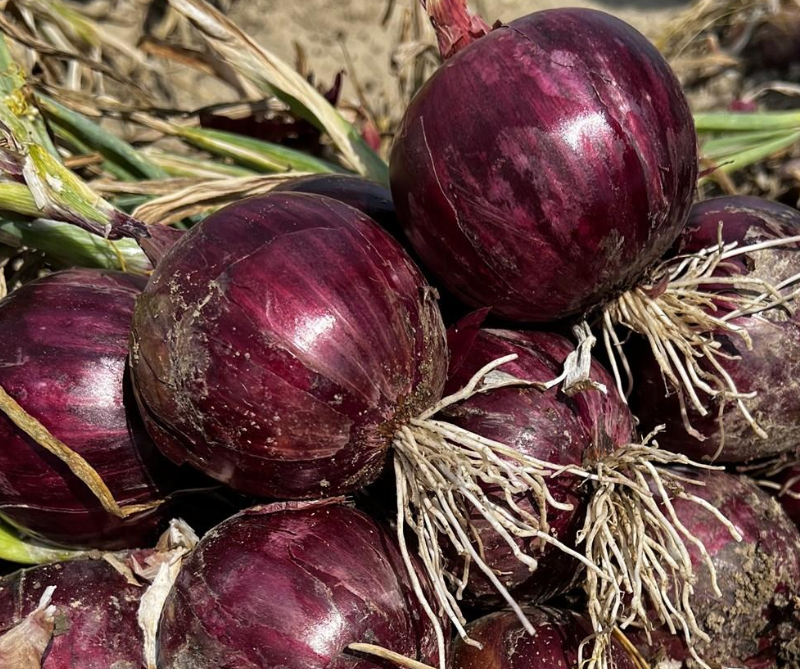
🌱 12 Expert Tips for Growing Bigger, Healthier Onions at Home — The Ultimate Guide
Onions. Whether caramelized on top of a juicy burger, sautéed into soups and sauces, or sprinkled fresh onto salads, **onions are an essential kitchen staple** that almost every home cook and gardener cherishes. But growing onions isn’t just about planting bulbs and waiting — if you want **large, juicy, flavorful onions**, you need the right strategy.
After seven years of hands‑on onion‑growing experience and consulting with professional growers like Dr. Elise Harlow (Horticulture Specialist) and Master Gardener Mark Pembroke, I’ve distilled the **most reliable practices that consistently produce big, healthy bulbs**. This guide is practical, detailed, and designed so you can get the best results no matter your climate or soil type.
Whether you’re a beginner or seasoned grower, this article takes you through **every step — from choosing the right varieties to troubleshooting common problems, fertilizing, watering, spacing, harvesting, curing, and storing**. By the time you finish reading, you’ll be ready to produce onions that are **bigger, sweeter, and more reliable** than most store‑bought varieties.
🌞 How Onion Day‑Length Matters (And Why Most Beginners Get It Wrong)
Onions don’t grow like most vegetables. These are **photoperiod‑sensitive plants**, meaning they use the length of the day (hours of sunlight) as a cue to start forming bulbs. Choosing a variety that doesn’t match your region’s daylight can be the difference between tiny bulbs or nothing at all.
- Long‑day onions: Thrive where summer days are long (14–16 hours of sunlight). Best for high‑latitude regions (northern U.S., northern Europe).
- Short‑day onions: Form bulbs with 10–12 hours of sun. Ideal in warmer climates where days don’t get extremely long (southern U.S., Mediterranean climates).
- Intermediate‑day onions: Best suited to regions with moderate day lengths (~12–14 hours). These are often the most adaptable for mixed climates.
In simpler terms: plant the right kind of onion for your sunlight pattern, or you’ll almost certainly end up with small bulbs. Expert horticulturist Dr. Elise Harlow puts it this way:
“Day length isn’t a suggestion — it’s the most important environmental signal for onion bulb formation. Get it right and your onions respond beautifully. Get it wrong and they make lush leaves but tiny or no bulbs.”
🌿 Tip 1: Choose the Right Onion Variety for Your Region
Your first and most critical decision is variety selection. Don’t just pick what looks good at the nursery — pick what *matches your climate* and growing season.
Here’s how to think about it:
- 📍 Short‑day varieties: Best for southern climates (e.g., Gulf Coast, California, Southern Europe, Middle East). These start bulbing with less daylight.
- ☀️ Long‑day varieties: Great in northern regions (e.g., Pacific Northwest, Northeast U.S., Canada). They need high sun hours.
- 🌤 Intermediate‑day varieties: Ideal for transitional or variable climates — they’re forgiving and versatile.
Examples (by type):
Short‑day: ‘Texas Early Grano’, ‘Southern Belle’
Intermediate: ‘Candy’, ‘Red Burgundy’
Long‑day: ‘Walla Walla Sweet’, ‘Yellow Sweet Spanish’
✔️ Pro Tip: Always check the seed packet or plant label for day‑length classification before buying.
🌱 Tip 2: Use Transplants or Sets Instead of Seeds (When Applicable)
While you *can* start onions from seed, many gardeners get better success and faster yields by starting with:
- 🌱 Transplants: Young onion seedlings started early indoors or purchased from a nursery.
- 🔵 Onion sets: Small bulbs planted directly in the garden — perfect for beginners.
✨ Transplants give your onions a head start and help you avoid early weed pressure and cold soil delays. Onion sets are easy to plant and often produce reliable, early bulbs — though sometimes with slightly less uniform size than transplants.
📏 Tip 3: Space Onions Correctly
Crowded onions stay small. That’s not opinion — that’s science. Each onion needs enough room to expand its bulb underground.
✔ Recommended spacing:
4–6 inches apart within rows
8–12 inches between rows
If you plant too close, your onions compete for nutrients and bulb space. If spaced correctly, bulbs have room to **develop strong stems and fuller bases**, which are precursors to large bulbs.
💧 Tip 4: Feed Onions Regularly During Early Growth
Onions are heavy feeders early on, especially when they’re bulbing. But feeding incorrectly can stunt them, so the goal is **balanced nutrient availability — not fertilizer overload**.
Here’s a trusted plan:
- 🌿 Start with a soil test — know what nutrients your soil already has.
- 🌱 Apply a balanced granular fertilizer (e.g., 10‑10‑10) at planting time.
- 💧 Side‑dress with nitrogen every 3–4 weeks during leaf growth (not when bulbs are swelling).
📌 Important: Too much nitrogen late in the season encourages leafy growth but can weaken bulbs and make them rot in storage. Timing matters!
💦 Tip 5: Water Consistently — But Not Excessively
Onions need moisture, but they *hate* waterlogged soil. Overwatering leads to **soft, split, or rotten bulbs**, especially as they start bulbing.
✔ Watering strategy:
- 💧 Keep soil consistently moist during early growth (but never soggy).
- 🌞 Reduce watering slightly as bulbs begin swelling.
- 🌿 Water deeply and less frequently — encourage strong root systems.
Avoid shallow, frequent watering — that favors shallow roots and smaller bulbs. Deep, steady moisture encourages onions to draw nutrients and pack on size.
🌿 Tip 6: Mulch to Keep Soil Cool and Weed‑Free
Mulch is a gardener’s secret weapon. A layer of straw, shredded leaves, or grass clippings around your onions helps:
- 🌡️ Regulate soil temperature
- 💦 Retain moisture
- 🌱 Suppress weeds
Weeds compete directly with onions for nutrients and space. By mulching early — before weeds get established — you give your bulbs a clean, calm environment to grow.
🌼 Tip 7: Thin Seedlings Early
If you planted seeds or direct‑sowed transplants, don’t be afraid to thin them early. Removing excess seedlings gives the remaining plants **more room and fewer competitors** — a proven way to increase bulb size.
✔ Ideally, each plant should have at least 4–6 inches of space. Use the thinnings (young seedlings) in salads or sautéed dishes — zero waste!
🌞 Tip 8: Provide Full Sun (But Protect From Extreme Heat)
Onions are sun lovers — they grow best with **at least 6+ hours of direct sunlight daily**. But extreme midday heat can stress bulbs and cause irregular growth.
✔ In hot summer regions:
- 🌤 Provide temporary afternoon shade
- 💦 Water early in the day
Sunlight isn’t just energy — it’s a signal for bulb formation. More light (within reason) = stronger, fuller bulbs.
🪴 Tip 9: Watch for Pests Early
Common onion pests include onion maggots, thrips, and nematodes. Early detection matters:
- 🪲 Inspect plants weekly
- 🧴 Use organic controls like neem oil or insecticidal soap
- 🐛 Rotate crops each year to reduce pest buildup
“Pests rarely kill onions overnight — they weaken them over time,” says Master Gardener Mark Pembroke. “If you catch them early, the bulbs grow clean and commercial‑quality.”
🥕 Tip 10: Don’t Harvest Too Early
One of the biggest reasons gardeners get small onions is **harvesting before maturity**. Onions don’t stop growing just because you want dinner tonight!
✔ Signs they’re ready:
- 🌿 Tops begin to flop over
- 🍂 Foliage starts yellowing and dying back
If you pull them too soon, the bulbs are small and won’t store well. Let them finish their cycle — it’s worth the wait.
🌾 Tip 11: Cure Onions for Long‑Term Storage
Once your onions are out of the ground, proper curing makes all the difference in how long they keep.
✔ Curing steps:
- Lay bulbs in a single layer in a dry, airy spot (shade is best).
- Leave them for 2–3 weeks until skins are papery and necks are dry.
- Trim roots and tops once fully cured.
Cured onions store **for months**, ready to grace your kitchen long after the growing season ends.
📊 Onion Growing At‑A‑Glance Table
| Growing Stage | Key Action | Expert Tip |
|---|---|---|
| Variety Selection | Match day length to region | Use local extension guides |
| Soil Preparation | Add compost & balanced fertilizer | Soil test first |
| Planting | Use sets or transplants | Space 4–6″ apart |
| Early Growth | Water & feed regularly | Avoid soggy soil |
| Bulb Development | Reduce nitrogen, steady water | Keep mulch on |
| Harvest | Wait until tops fall over | Cure in shade |
❓ Frequently Asked Questions (FAQs)
1. How long do onions take to mature?
Most varieties take **90–120+ days** from planting to full bulb maturity — but this varies by type and conditions.
2. Can I grow onions in containers?
Yes! Large containers (12”+ wide) with good drainage work well. Space bulbs to mimic garden spacing.
3. What soil pH do onions prefer?
Onions do best in slightly acidic to neutral soil (~6.0–7.0). A soil test helps confirm your range.
4. Should I fertilize when bulbs are swelling?
No — heavy nitrogen during bulbing increases leafy growth at the expense of bulb size.
5. Why are my onions small?
Common causes: wrong day‑length type, overcrowding, inconsistent moisture, low nutrients, or premature harvest.
6. How do I prevent onion rot?
Avoid overwatering, ensure good drainage, and cure bulbs thoroughly after harvest.
7. Can onions tolerate frost?
Light frost is usually okay early in the season, but prolonged freezes can damage young plants.
8. How often should I water onions?
Deep watering once a week is often better than light daily watering — adjust for rainfall.
9. Why did my onions bolt?
Bolting usually means stress — temperature fluctuations, drought, or planting the wrong type for your day length.
10. Can I save seeds from onions?
Yes, but seed onions can vary from the parent type. For best results, use seeds labeled for your region’s day length.
🌟 Final Thoughts — Grow the Best Onions You’ve Ever Tasted!
Growing big, healthy onions isn’t magic — it’s about understanding what the plant needs and giving it the right conditions at the right time. With the expert tips above, you now have a roadmap to maximize bulb size, flavor, and storage life.
Remember: **choose the right variety, feed wisely, water smartly, space generously, and harvest only when ready**. Do those things consistently, and your onion patch will become a source of pride — and delicious meals — for seasons to come.
Happy gardening and may your onion harvests be abundant and sweet! 🧅🌿