Discover Euphorbia Hirta: The Common Weed with a Long History in Traditional Wellness 🌱
Euphorbia hirta — sometimes called “asthma weed,” tawa‑tawa in the Philippines, or asthma‑plant in herbal listings — is a pantropical ground‑level herb that grows abundantly in fields, roadsides, and disturbed soil. Across Africa, Asia, Latin America and beyond, it has been used in folk medicine for generations for everything from respiratory support to digestive comfort and antimicrobial needs.
While its traditional uses are widespread and centuries old, modern scientific research is still in the early stages. Many compounds in Euphorbia hirta — including flavonoids, tannins, triterpenes and polyphenols — show promising biological activity in lab studies, but high‑quality human clinical trials are largely lacking.
🌿 What Makes Euphorbia Hirta Stand Out in Traditional Practices
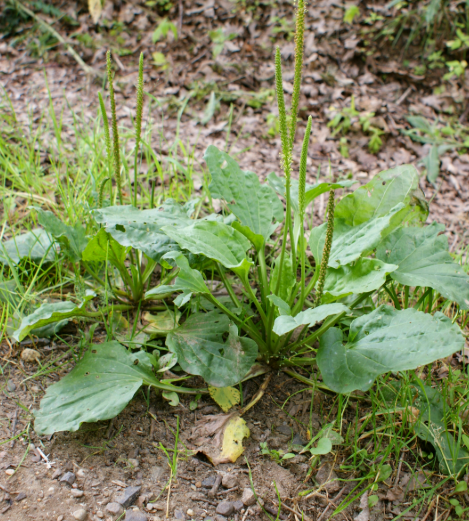
Euphorbia hirta is easily recognizable by its hairy stems, small pinkish flower clusters, and characteristic milky sap — a common feature across the Euphorbiaceae (spurge) family. In many cultures, this plant has earned nicknames like “asthma weed” or tawa‑tawa due to its traditional use for soothing respiratory issues and fevers.
Traditional systems such as Ayurveda, Unani, and TCM have used E. hirta for digestive complaints, coughs, wheezing, skin issues, fever relief, and more. These uses are based on accumulated observational knowledge rather than controlled clinical evidence.
Modern phytochemical research has identified a range of bioactive constituents — flavonoids, tannins, phenols and more — that are hypothesized to underlie the plant’s varied biological roles.
🔬 What Science Says — A Balanced Overview
Here’s what research currently suggests regarding Euphorbia hirta’s potential effects — noting the important distinction between traditional use, preclinical studies, and limited/insufficient human research:
1. Respiratory Support (Traditional Use) 🌬️
The plant has long been brewed into teas or decoctions for coughs, asthma‑like symptoms and bronchial discomfort in traditional medicine. Laboratory studies and animal models suggest some airway‑relaxant and anti‑inflammatory activity, but there’s not enough high‑quality human evidence to confirm these effects in people.
2. Digestive Comfort 🍽️
Many cultures use E. hirta to soothe symptoms of diarrhea, intestinal discomfort or worms. Research in rodents and isolated tissues shows that extracts may have spasmolytic (muscle‑relaxing) and antidiarrheal effects, and may also influence gut motility — hinting at possible digestive support.
3. Antimicrobial Activity 🦢
Lab studies — especially in vitro antimicrobial screens — show that extracts of Euphorbia hirta may inhibit some bacteria and fungal species, suggesting a potential role against certain microbes. This aligns with its traditional use for wound care and infection relief, though in vivo human data are missing.
4. Anti‑Inflammatory & Antioxidant Effects 🔥
Extracts from the plant contain flavonoids such as quercetin, which are associated with anti‑inflammatory and antioxidant activity in lab and animal studies. These compounds may help reduce oxidative stress or cellular inflammation, but again, clinical confirmation in humans is limited.
5. Other Biochemical Activities Under Study 🔎
- Platelet effects & dengue contexts — Small observational work and community practices in the Philippines use tawa‑tawa for dengue support, but evidence is mixed and not conclusive.
- Antipyretic & analgesic effects — Animal studies report fever‑reducing and pain‑relieving properties.
- Diuretic actions — Some studies indicate increased urine output in animal models, but human relevance is unclear.
📊 Quick Comparison: Traditional Uses vs. Scientific Insights
| Area of Use | Traditional Practice | Scientific Evidence |
|---|---|---|
| Respiratory comfort | Treat coughs, asthma, bronchitis | Some relaxant and anti‑inflammatory signals in lab/animal studies — human evidence limited |
| Digestive support | Diarrhea, gut discomfort | Animal/isolated tissue data suggest antispasmodic effects, supportive of traditional use |
| Antimicrobial | Used for wound care, infections | Lab extracts show activity — human clinical data lacking |
| Antioxidant / anti‑inflammatory | General wellness | Active compounds seen in studies — human relevance unconfirmed |
⚠️ Important Safety Notes
Despite its traditional use, Euphorbia hirta isn’t universally safe or proven effective, and reputable sources emphasize that the scientific evidence is insufficient for most health claims.
- There isn’t enough reliable data on standard dosages, so risk of side effects such as nausea, vomiting or irritation is possible.
- The plant’s milky sap can be irritating, and topical use may cause allergic reactions.
- It may interact with medications or conditions — especially gastrointestinal sensitivity; avoid use during pregnancy and breastfeeding unless advised by a clinician.
🧠 Frequently Asked Questions (FAQs)
- Can Euphorbia hirta cure asthma?
No. While traditionally called “asthma weed,” there is no clinical proof that it treats or cures asthma. It may soothe symptoms, but should not replace medication. - How is it usually taken?
Traditionally as tea or decoction. Leaves and stems are boiled, sometimes dried and powdered. Dosage varies by region. - Is it safe to use long term?
Long‑term safety hasn’t been studied in humans. Best to use cautiously and under guidance. - Can I apply it on my skin?
Traditional wound use exists, but its sap may be irritating. Do a patch test or consult a herbalist. - Is it good for dengue fever?
Some people in the Philippines use it for platelet support during dengue, but research is mixed. Not a replacement for medical care. - Where can I find Euphorbia hirta?
Grows in tropical and subtropical areas worldwide, including Africa, Southeast Asia, Latin America, and some southern US states. - Does it have drug interactions?
Possibly, especially with diuretics, anti‑inflammatories or medications affecting the gut. Ask your doctor if unsure. - Can children take Euphorbia hirta?
Not recommended unless under professional guidance, as safety data is lacking. - Is it part of modern supplements?
Yes, sometimes found in herbal blends for respiratory, digestive or immune support — often labeled as tawa‑tawa or asthma plant. - What’s the future of Euphorbia hirta research?
More studies are needed, especially human clinical trials. Interest is growing in its antioxidant and anti‑inflammatory potential.
🧐 Bottom Line
Euphorbia hirta is a fascinating example of how traditional herbal medicine and preliminary scientific research intersect. It has a long ethnobotanical history across multiple continents for respiratory, digestive, antimicrobial and anti‑inflammatory purposes. Modern studies confirm that it contains many biologically active compounds, and lab or animal research supports some of these traditional uses — but high‑quality human clinical evidence is limited.
If you’re considering using Euphorbia hirta medicinally, consult a qualified healthcare professional first, especially if you have underlying health conditions or are taking other medications. Herbal traditions can offer valuable insights, but they should be paired with contemporary safety and scientific understanding. 🌿📈