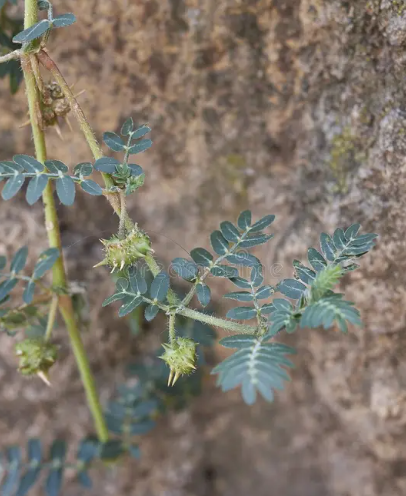
The Traditional Power of Puncture Vine (Tribulus terrestris)
This article is for informational purposes only. Tribulus terrestris is a potent plant, and although it has traditional uses, it may not be safe for everyone. Do not use it as a replacement for medical treatment. Always consult a qualified professional before internal use, especially if you have health conditions, take medications, or are pregnant or breastfeeding.
Tribulus terrestris, also known as Puncture Vine, is a plant revered across various traditional medicine systems for its vitality-boosting and body-balancing properties. While many know it through supplements, fewer are familiar with the way traditional healers used it—fresh from the wild, prepared with intention, and respected for its potency.
🌿 What Makes Tribulus terrestris So Powerful?
The key to Puncture Vine’s strength lies in its unique chemical makeup—especially saponins, which are believed to support several core health functions:
- ✔️ Natural vitality and stamina
- ✔️ Energy levels and endurance
- ✔️ Hormonal and reproductive balance
- ✔️ Urinary and kidney function
- ✔️ Physical performance and post-exertion recovery
Traditional systems (like Ayurveda and Unani) valued the entire plant—leaves, stems, fruits, and roots. Each part was prepared differently depending on the intended purpose. Let’s explore how these were traditionally used in safe, homemade preparations.
🍵 4 Traditional Homemade Preparations of Tribulus terrestris
⭐ 1. Mild Tribulus Tea for Gentle Energy Support
Used for: General vitality, kidney support, and mild daily energy.
- Collect young leaves and stems from properly identified plants.
- Wash and air-dry in the shade.
- Add 1 teaspoon of dried plant to 1 cup of hot water.
- Let steep for 10–15 minutes. Strain and sip slowly once a day.
This is the gentlest preparation and the safest to start with.
⭐ 2. Strong Decoction from Dried Fruits or Roots
Used for: Urinary support, male vitality, and traditional post-illness recovery.
- Crush 1 teaspoon of dried fruits or chopped root pieces.
- Boil in 250–300 ml of water for 10–15 minutes.
- Strain and drink warm, no more than once per day.
- Use only for short-term traditional protocols (2–3 weeks max).
⚠️ Caution: This decoction is more potent and not suitable for long-term daily use.
⭐ 3. Tribulus Powder Blend
Used for: Small tonic doses mixed into warm water or honey.
- Harvest fruits, roots, or leaves and dry completely in shade.
- Grind into a fine powder using a spice grinder or mortar.
- Take ¼–½ teaspoon once a day mixed into honey or warm water.
This is a versatile form but must be used in moderation due to concentration of compounds.
⭐ 4. External Compress for Aches and Vitality Support
Used for: Muscle tension, fatigue, and external application in traditional practices.
- Boil a handful of leaves and stems in water for 5–10 minutes.
- Soak a clean cloth in the hot water and wring out.
- Apply to muscles, back, or lower abdomen for relief.
🛑 Note: This method is external only. Do not consume.
🌟 Why People Value Puncture Vine
Across ancient cultures—especially in parts of Asia, the Mediterranean, and North Africa—Tribulus was traditionally respected as a plant of strength and balance. People used it to support:
- 🧬 Hormonal equilibrium and libido (traditionally male-focused but also used in women’s vitality protocols)
- ⚡ Energy, stamina, and post-illness recovery
- 🧠 Mood upliftment and natural resilience to stress
- 🛁 Kidney and urinary tract cleansing
Dr. Leila Nour, Phytotherapy Specialist: “The saponins in Tribulus appear to work on multiple systems, but dosage and timing are key. Like many strong botanicals, its benefits lie in respectful, moderate use.”
⚠️ Important Safety Notes & Contraindications
Tribulus terrestris is powerful, and overuse or improper preparation can lead to issues. Always follow safety guidelines:
- ❌ Avoid if pregnant or breastfeeding – Traditionally considered too stimulating.
- ❌ Do not combine with hormone-regulating medications – Can interfere with hormonal balance.
- ❌ Do not exceed small doses – Too much may cause headaches, restlessness, stomach upset, or mood changes.
- ❌ Kidney or liver concerns? Avoid without direct supervision from an herbalist or doctor.
- ✅ Short-term use only – Typically used in 2–3 week cycles, not for daily use over months.
📋 Nutritional & Phytochemical Overview
| Plant Part | Primary Compounds | Traditional Use |
|---|---|---|
| Fruits (spiky pods) | Saponins, flavonoids | Vitality, male energy, urinary cleansing |
| Leaves & stems | Tannins, alkaloids | General tonic, external use |
| Root | Steroidal saponins | Strength, recovery |
🔍 Frequently Asked Questions (FAQs)
- Is Puncture Vine the same as Gokshura in Ayurveda?
Yes, Tribulus terrestris is often referred to as Gokshura in traditional Indian medicine. - Can I forage it myself?
Yes, if you correctly identify it — sharp fruits, yellow flowers, and creeping stems. But always verify with a botanical guide or expert. - How long does a dried batch last?
Store in a cool, dry place — leaves and roots can last up to 6–9 months when dried properly. - Can women use it?
Yes — but in smaller doses and only short term. Traditionally used in female reproductive support under supervision. - Can I mix it with other herbs?
Yes, but consult a trained herbalist first to avoid counteractions — especially with other hormonal or stimulant herbs. - Is the powder safe long-term?
Traditional use suggests only short cycles of 2–3 weeks followed by breaks. - What does it taste like?
Bitter and earthy. Often mixed with honey or warm water to ease flavor. - Is it banned in sports?
Some athletic organizations may monitor its use due to performance-enhancing claims. Always check with relevant authorities. - Can I take it with coffee?
Not recommended — both are stimulating and could elevate blood pressure or restlessness. - Are there any known drug interactions?
Yes — especially with hormone therapy, diuretics, or kidney medications. Always check with a healthcare provider.
🌱 Conclusion: A Potent Plant with Deep Roots in Tradition
Tribulus terrestris (Puncture Vine) has been treasured for centuries as a plant of resilience, energy, and balance. Its traditional uses speak to its power — but that same power demands caution and respect. Whether you’re exploring mild teas or crafting a potent decoction, keep safety and moderation at the center of your practice.
🔔 If you’re curious about adding this botanical to your wellness rituals, always speak with a knowledgeable herbalist or functional health professional before starting.
🌿 Inspired by ancient wisdom, guided by modern safety.