The Hidden Power of Rose Hips: Nature’s Overlooked Treasure Growing in Your Backyard
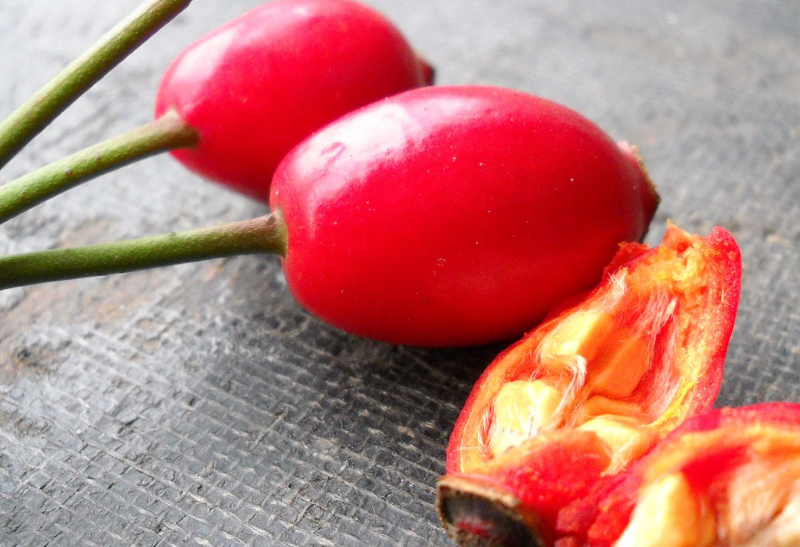
Most people admire their rose bushes for fragrant blossoms, lush petals, and garden beauty — but the real treasure often appears after the petals fall. Rose hips, the bright red or orange fruits that develop at the base of the flower, are among nature’s most potent wild foods and herbal medicines. 🌹✨
Found on both ornamental garden roses and rugged wild rose species, these fruits have been used for centuries to strengthen the immune system, nourish the skin, ease joint pain, and boost overall vitality. Yet many modern gardeners don’t realize that some of the most nutrient-dense foods they’ll ever encounter may already be growing right outside their door.
This comprehensive guide reveals the full nutritional power, traditional uses, harvesting techniques, and safety tips for rose hips — including expert insights from herbalists and nutrition specialists. Whether you’re a backyard gardener, wild food forager, or natural remedy enthusiast, this article will show you how to turn humble rose hips into one of your most valuable homegrown resources.
What Exactly Are Rose Hips?
Rose hips are the fruit of the rose plant — technically known as the seed-filled “hips” that develop once the flower is pollinated. These fruits typically appear in late summer and ripen throughout the fall, turning red, bright orange, or occasionally deep purple depending on the species.
Wild rose species such as Rosa rugosa, Rosa canina, and Rosa woodsii are especially known for producing large, nutrient-dense hips. Garden roses also form edible hips, though their size and potency vary widely.
Fun fact: During World War II, the United Kingdom relied heavily on wild rose hips to produce a national vitamin C syrup when citrus imports became scarce.
🌹 Top Health Benefits of Rose Hips
Rose hips offer a rare combination of vitamins, minerals, antioxidants, and anti-inflammatory compounds. Here are their most celebrated benefits, supported by both traditional herbal knowledge and modern research.
1. Immune System Support (Exceptionally High Vitamin C)
Rose hips contain astonishing amounts of natural vitamin C — often far higher than oranges or store-bought supplements. In some wild species, the vitamin C content can reach up to 20 times that of citrus fruits.
This makes rose hips ideal for:
- Strengthening the immune response
- Reducing the severity and duration of colds and flu
- Supporting the body during infection or stress
- Enhancing iron absorption
Insight from clinical herbalist Dr. Leila Nour:
“Rose hips provide vitamin C in a whole-food form that includes bioflavonoids. This improves absorption far beyond what synthetic supplements can offer.”
2. Reduces Joint Pain & Inflammation
Rose hip powder is widely used for easing joint stiffness, arthritis, and inflammation. Research suggests that the galactolipids found in rose hips — especially a compound known as GOPO® — help reduce inflammation and improve mobility.
Many people notice benefits within several weeks of consistent use. Rose hip tea, capsules, or powder can offer natural support without the side effects of long-term anti-inflammatory drugs.
According to rheumatology expert Prof. Mark Benson:
“Rose hips can be an excellent complementary therapy for arthritic discomfort. Their anti-inflammatory effects are gentle yet meaningful when used regularly.”
3. Improves Skin Health & Slows Aging
Rose hips are rich in antioxidants, vitamin A precursors, and essential fatty acids — the perfect combination for glowing, resilient skin.
They help:
- Reduce wrinkles and fine lines
- Support collagen production
- Fade scars and blemishes
- Improve skin elasticity and hydration
Rose hip seed oil, extracted from the seeds inside the fruit, has become one of the most beloved natural skincare oils worldwide.
4. Supports Digestion & Gut Health
Rose hips contain gentle fibers, pectins, and anti-inflammatory compounds that soothe the digestive system. Rose hip tea has traditionally been used to ease stomach irritation, support regularity, and nourish healthy gut bacteria.
5. A Natural Energy & Mood Booster
The vitamin C and antioxidants in rose hips help moderate stress responses, support adrenal function, and improve overall vitality. Many people report feeling more alert and energized when taking rose hip tea or powder regularly.
Nutritional Breakdown of Rose Hips
Rose hips are one of the most concentrated natural sources of vitamins and antioxidants found in temperate climates.
| Nutrient | Approx. Amount per 100g (fresh) | Health Benefit |
|---|---|---|
| Vitamin C | 200–1,500 mg | Immune support, antioxidant protection, iron absorption |
| Vitamin A (carotenoids) | 1,000–2,000 IU | Skin health, vision, anti-aging |
| Vitamin E | 5–7 mg | Skin repair, antioxidant |
| Fiber | 20 g | Digestive support, gut health |
| Antioxidants (polyphenols) | High | Anti-inflammatory, cellular protection |
| Calcium & Iron | Varies | Bone health, blood health |
Note: Vitamin C declines during drying or long cooking, but many antioxidants remain intact.
How to Harvest Rose Hips Properly
Rose hips are typically ready from late summer through winter depending on climate and species. Here’s how to harvest them safely and effectively.
🌿 When They’re Ripe
- Color should be bright red, orange, or deep purple.
- Fruit should feel slightly soft but not mushy.
- Frost can make hips sweeter, but it’s not required.
✂️ How to Harvest
- Use scissors or pruning shears to avoid damaging the plant.
- Harvest only clean hips away from roadsides or sprayed areas.
- Avoid hips with black spots, mold, or mushiness.
Tip: Rugosa roses produce the largest, juiciest hips — ideal for jam and syrup.
How to Prepare Rose Hips
1. Fresh Rose Hips
Slice open and remove the seeds and irritating hairs before using. Fresh hips can be added to smoothies, syrups, or sauces.
2. Dried Rose Hips
Dry whole hips or slices in a dehydrator or warm oven. Use them for tea, vitamin-rich powders, or long-term storage.
3. Rose Hip Powder
Finely ground dried hips create an easy-to-use powder for mixing into drinks, oatmeal, yogurt, or herbal remedies.
4. Rose Hip Tea
One of the most popular methods: steep 1–2 teaspoons of dried hips in hot (but not boiling) water for 10–15 minutes.
Safety Notes & Contraindications
Rose hips are very safe for most people, but there are some considerations:
- High vitamin C may irritate sensitive stomachs.
- People with kidney stones should limit intake (due to natural oxalates).
- Always remove internal hairs — they can cause irritation if swallowed.
- Avoid harvesting from sprayed landscapes or roadside hedges.
Advice from herbal safety specialist Dr. Alina Graves:
“Rose hips are mild and nourishing, but like all concentrated herbal foods, moderation and proper preparation are key.”
Delicious Ways to Use Rose Hips 🍽
Rose hips are extremely versatile and can be used in everything from teas to desserts to natural skincare products.
🍵 Rose Hip Tea
Steep dried hips for a vitamin-rich, warmly tart beverage.
🍯 Rose Hip Syrup
Popular in Europe — sweet, tangy, and perfect for pancakes or cocktails.
🍓 Rose Hip Jam
A thick, ruby-colored preserve packed with flavor and antioxidants.
🌿 Rose Hip Powder Smoothies
Add 1 teaspoon to fruit smoothies for an immune boost.
✨ Skincare
Rose hip oil and pulp are used for face masks, serums, and anti-aging treatments.
For specific recipes, feel free to explore the dedicated recipe website you prefer for rose hip teas, jams, syrups, and medicinal blends.
Frequently Asked Questions (FAQ)
1. Are all rose hips edible?
Yes — all rose species produce edible hips as long as they are clean and free of pesticides.
2. Do rose hips really have more vitamin C than oranges?
Many wild species do. Some contain several times more vitamin C per gram than citrus fruits.
3. Can you eat rose hips raw?
Yes, but remove the hairs and seeds inside first.
4. Is rose hip tea safe during pregnancy?
Generally yes in moderate amounts, but pregnant individuals should consult their healthcare provider.
5. Can rose hip powder help with arthritis?
Many studies suggest reduced pain and stiffness with consistent use.
6. When is the best time to harvest rose hips?
Fall through early winter, once fully red or orange.
7. What do rose hips taste like?
Tart, fruity, slightly floral — similar to cranberry with a hint of apple.
8. Can you freeze rose hips?
Yes, freezing preserves them well for later use.
9. Do rose hips lose nutrients when heated?
Vitamin C decreases, but antioxidants and minerals remain strong.
10. Are rose bushes with hips still safe if they were planted for ornament?
Yes — just avoid plants treated with systemic pesticides or herbicides.
Rose hips are far more than decorative fruit on a fading rose bush — they are one of the most nutrient-rich wild foods available in temperate climates. Packed with vitamins, antioxidants, and therapeutic compounds, they support the immune system, joints, skin, and overall vitality.
With just a little knowledge and careful harvesting, you can transform the roses in your garden into a valuable supply of tea, powders, jams, tonics, and skincare ingredients. 🌹💫
Nature has placed a powerhouse of wellness right in your backyard — and now you know how to use it.