Maple Trees from Root to Crown: A Complete Guide to Every Edible Part
Most people know maple trees for their rich, amber syrup—but that is only one chapter of a much larger story. From late-winter sap to spring blossoms, tender young leaves, winged seeds, aromatic twigs, and even the nutrient-dense inner bark used only in survival situations, maple trees have fed people for thousands of years. This comprehensive guide explores every edible part of the maple, offering practical identification tips, safe harvesting guidelines, nutritional insights, and delicious ideas for using each part at home. 🌿🍁
Whether you are a forager, homesteader, gardener, or simply someone who loves learning about wild foods, understanding the full edible potential of maple trees can deepen your connection to the land and expand your seasonal pantry in surprisingly tasty ways.
Before You Start: Safety, Species & Ethical Harvesting
Before tapping sap or snacking on spring blossoms, it’s important to understand which species are best to harvest, how to avoid contaminants, and how to protect the long-term health of the tree.
🍁 Maple Species You Can Use
Almost all maples (genus Acer) offer edible parts, but some species are more rewarding than others:
- Sugar Maple (Acer saccharum) – The sweetest sap; best for syrup.
- Red Maple (Acer rubrum) – Abundant; slightly lower sugar content but still excellent.
- Silver Maple (Acer saccharinum) – Early sap flow; sometimes a touch stronger or “grassy.”
- Black Maple (Acer nigrum) – Very similar to sugar maple; excellent for syrup.
- Bigleaf Maple (Acer macrophyllum) – West Coast favorite with high sap flow.
- Boxelder (Acer negundo) – Syrup-worthy with a distinctive flavor; surprisingly sweet.
- Ornamental/European Maples (e.g., Sycamore Maple) – Edible, but often more bitter.
Insight from forest ecologist Prof. Mark Benson:
“Any maple producing clean, untreated sap is technically edible. The real difference is flavor. Sugar maple is the king of sweetness, but red and silver maple have subtle complexities that many foragers come to prefer.”
⚠️ Avoid Contaminated Harvesting Sites
- Avoid trees within 100 feet of busy roads.
- Skip trees on chemically treated lawns.
- Never harvest in industrial or polluted sites.
🌸 Allergic Reactions & Sensitivities
Maple pollen and raw sap can cause mild digestive or allergic reactions in some individuals. Start with small amounts if you’re uncertain.
🌱 Ethical Tree Care
Healthy harvesting ensures the tree thrives for decades. Follow these guidelines:
- Never remove live bark unless in a life-or-death survival situation.
- Do not overtap young or narrow trees.
- Avoid stressing drought-weakened maples.
Expert guidance from arborist Dr. Leila Nour:
“A single maple can be a multi-generational provider. Treating the tree with respect—especially during tapping season—ensures consistent harvests year after year.”
1) Maple Sap (Late Winter–Early Spring)
🍶 What It Is
Maple sap is a slightly sweet, crystal-clear liquid that rises from the tree’s roots when freezing nights and warmer days create natural pressure cycles. This usually happens between February and April, depending on your region.
🕑 When & How to Harvest
- Ideal conditions: nights below 32°F (0°C), days above 40°F (4–7°C).
- Drill a 5/16″ hole 1.5–2 inches deep into the trunk.
- Insert a clean spile and hang a food-safe collection container.
- Gather sap daily to prevent spoilage.
✨ Flavor & Uses
Maple sap is refreshing, mildly sweet, and gently mineral-rich. It can be consumed raw (when fresh), boiled into syrup, fermented into vinegar, or cooked down for candies and glazes.
Popular uses:
- Drink cold as a hydrating spring tonic.
- Simmer into tea bases or soups.
- Reduce into syrup (40 gallons of sap = 1 gallon of syrup).
💡 Health Notes
- Contains electrolytes, manganese, calcium, and antioxidants.
- May upset sensitive stomachs if consumed in large quantities raw.
2) Maple Blossoms (Early–Mid Spring)
🌼 Edible Flowers of Maple
Maple blossoms appear before or alongside early leaves. They are small, delicate, and vary in color from pale yellow to red depending on species.
🌿 Flavor Profile
Earthy, mildly sweet, and gently nutty with a subtle maple aroma—excellent in savory and sweet recipes.
🍽 Ways to Use Maple Blossoms
- Tempura-fried maple blossoms 🍤
- Blossom honey or blossom-infused maple syrup
- Add to salads or omelets
- Dry for teas
No more than 20–30% of the flowers should be harvested from any single branch to protect pollinator resources.
3) Young Maple Leaves (Spring)
🌱 Tender, Edible Leaves
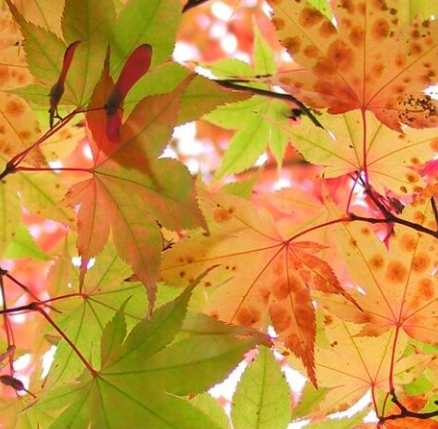
When maple leaves first emerge, they are soft, lightly fuzzy, and mild in flavor. As they mature, they become fibrous and bitter, so timing is everything.
🥗 How to Use Young Leaves
- Blanch and use as wraps
- Add to stir-fries and spring greens mixes
- Pickle them (traditional in parts of Japan)
Flavor is comparable to mild spinach with a faint sweetness.
4) Maple Seeds (“Samara” or “Helicopters”)
🍃 A Surprisingly Useful Food
The iconic winged maple seeds are edible at two stages:
- Green and tender (spring): Best for fresh eating and cooking.
- Brown and dry (late season): The inner seed is edible when roasted but requires shelling.
🔥 How to Use Maple Seeds
- Boil young green samaras and toss with butter and salt.
- Roast mature seeds for a nutty, chestnut-like flavor.
- Dry and grind into flour mixed with other grains.
Culinary note from chef Hanna Morales:
“Green maple seeds are one of the most underrated wild vegetables. Their mild nuttiness works beautifully in stir-fries and spring soups.”
5) Maple Twigs & Buds
🌿 Aromatic & Useful for Teas
Twigs of sugar maple smell subtly sweet when scraped. They can be used for:
- Brewing tea with a faint maple aroma
- Flavoring simmered broths
- Homemade smoking woods for meat
🌱 Bud Uses
Early buds can be nibbled raw or cooked, though their flavor is strong and resinous.
6) Maple Inner Bark (Emergency Survival Only)
⚠️ A Critical Warning
The inner bark (cambium layer) is edible but should never be harvested unless in a genuine survival situation. Removing live bark can kill the tree.
🥾 Survival Use Only
If absolutely necessary, the inner bark can be:
- Cut into strips and dried into survival flour
- Boiled to extract carbohydrates
The flavor is mild but woody, and the texture is fibrous.
Nutrition & Health Benefits of Maple Parts
Below is a practical overview of the nutritional value of various edible parts of the maple tree.
| Maple Part | Main Nutrients | Approx. Serving Weight | Health Benefits |
|---|---|---|---|
| Sap | Manganese, calcium, potassium, antioxidants | 250 ml | Hydration, electrolyte balance, antioxidant support |
| Blossoms | Vitamin A, trace minerals, plant compounds | 20 g | Anti-inflammatory, mild immune support |
| Young Leaves | Vitamin C, fiber, chlorophyll | 30 g | Digestion support, spring detox properties |
| Seeds | Protein, healthy fats, magnesium | 25 g (shelled) | Energy, essential fatty acids |
| Twigs/Buds | Trace antioxidants, tannins | 5–10 g | Flavoring, mild digestive support |
| Inner Bark | Carbohydrates, fiber | 20 g (dried) | Emergency calories |
Related Maple Recipes 🍽
For recipes such as maple blossom fritters, maple sap teas, maple seed stir-fries, or infused syrups, please browse the excellent collection of recipes at the website you prefer to use for your related-recipe section.
Frequently Asked Questions (FAQ)
1. Can you drink raw maple sap?
Yes—if it is fresh and collected from a clean tree. However, raw sap spoils quickly and may cause minor digestive issues in sensitive individuals.
2. How long does maple sap stay fresh?
Only 24–48 hours when refrigerated. Boil or freeze promptly.
3. Are all maple blossoms edible?
Yes, but flavor varies slightly by species.
4. Are maple seeds safe for children?
Green samaras are safe when cooked; supervise children to avoid choking hazards.
5. Can diabetic individuals eat maple products?
Portion control is important; sap is low-sugar, but syrup is highly concentrated.
6. How many taps can I put in one tree?
Typically 1 tap for trees 10–20 inches in diameter, 2 taps for 20–25 inches, and 3 taps only for mature, healthy giants.
7. Can maple leaves be eaten raw?
Early leaves can, but they are better lightly cooked or blanched.
8. Are there poisonous look-alikes?
No true poisonous look-alikes for maple, but always confirm leaf and bark patterns.
9. What does maple twig tea taste like?
A mild, woody herbal tea with faint sweetness—comforting and subtle.
10. Is inner bark harvesting illegal?
Removing bark from living trees may violate local forestry rules and can kill the tree; it should only be done in survival emergencies.
From sap to seeds, maple trees offer an astonishing variety of edible gifts throughout the year. Whether you’re tapping for syrup, frying spring blossoms, or experimenting with roasted samaras, each part reveals a new layer of flavor and tradition. By harvesting ethically and paying attention to the rhythms of the seasons, you can enjoy maple foods while helping the tree stay healthy for generations.
🍁 Maple is more than syrup—it’s a full, seasonal pantry waiting to be rediscovered.