A Simple Fermented Apple Recipe for Gut Health, Immunity, and Natural Energy
Improving gut health doesn’t always require expensive supplements or complicated superfoods. In many traditions, wellness begins with simple, natural foods — especially fermented ones. One powerful (yet often overlooked) option is the fermented apple: a probiotic-rich, mildly tangy apple that you can make at home using only water, salt, and fresh apples. No vinegar, no sugars, no additives.
This ancestral-style fermentation method encourages beneficial bacteria to flourish while transforming the natural sugars in apples into a refreshing, lightly carbonated, gut-friendly food. Fermented apples are gentle on digestion, supportive to immunity, and energizing for the whole body.
Below, you’ll discover the full benefits of fermented apples, how they work, the step-by-step recipe, how to use them daily, safety tips, flavor variations, and everything you need to know to add this powerful food to your wellness routine.
Why Fermented Apples Are So Beneficial
Fermented apples are more than just a tasty traditional snack — they are a living food. Through lacto-fermentation, beneficial microbes transform the fruit into something your digestive system and immune system can thrive on. Here’s why they are so powerful:
1. Supports Healthy Digestion
The gut is home to trillions of microorganisms that help break down food, absorb nutrients, and regulate bowel movements. Fermented apples help replenish beneficial gut bacteria, which can:
- ease constipation
- reduce bloating
- support smoother digestion
- improve nutrient absorption
As the apples ferment, they develop natural probiotic strains that work synergistically with your existing gut bacteria, making digestion more efficient and comfortable.
2. Helps Reduce Intestinal Inflammation
A healthy microbiome is closely tied to inflammation control. When harmful bacteria are balanced by beneficial ones, inflammation in the gut tends to decrease — which may calm irritation and help support long-term digestive wellness.
Fermented apples contain natural acids and enzymes formed during fermentation that help maintain a balanced environment in the digestive tract, reducing stress on the intestinal lining.
3. Boosts Immunity Naturally
About 70% of the immune system lives in the gut. When the digestive system is balanced and nourished, immunity becomes stronger and more resilient.
Fermented apples provide:
- living probiotics to strengthen gut-based immunity
- antioxidants naturally occurring in apples
- bioavailable vitamins that are easier to absorb
This combination supports the body’s ability to defend against infections, seasonal illnesses, and fatigue.
4. Helps Stabilize Energy Levels
Because fermented apples improve digestion and nutrient absorption, they indirectly support steady energy. Fermentation also reduces the sugar content of apples, making them easier on blood sugar. The result? A gentle, natural energy boost without crashes.
5. Supports Better Mood and Mental Clarity
The gut and brain are deeply connected through what scientists call the “gut-brain axis.” When your gut microbiome is balanced, neurotransmitter production improves — leading to better mood, less stress, and clearer thinking.
What You’ll Need to Make Fermented Apples
The beauty of this recipe lies in how minimal and affordable it is. You don’t need special tools or expensive ingredients.
Ingredients
- 3–4 organic apples (any variety)
- 1 teaspoon unrefined sea salt or Himalayan salt
- Filtered or spring water (non-chlorinated)
Equipment
- One clean glass jar (500 ml or 1 liter)
- A small fermentation weight (or a piece of clean apple to keep slices submerged)
- Cloth or fermentation lid
That’s it—simple, natural, and inexpensive.
How to Make Fermented Apples: Step-by-Step Guide
This gentle fermentation process relies on naturally occurring bacteria found on the apple skin (which is why organic apples are recommended). Follow these steps:
Step 1: Prepare Your Apples
Rinse apples well under clean water. Avoid using soap or anything that might kill the natural bacteria essential for fermentation. Cut apples into thin slices or small cubes — whichever texture you prefer.
Step 2: Fill the Jar
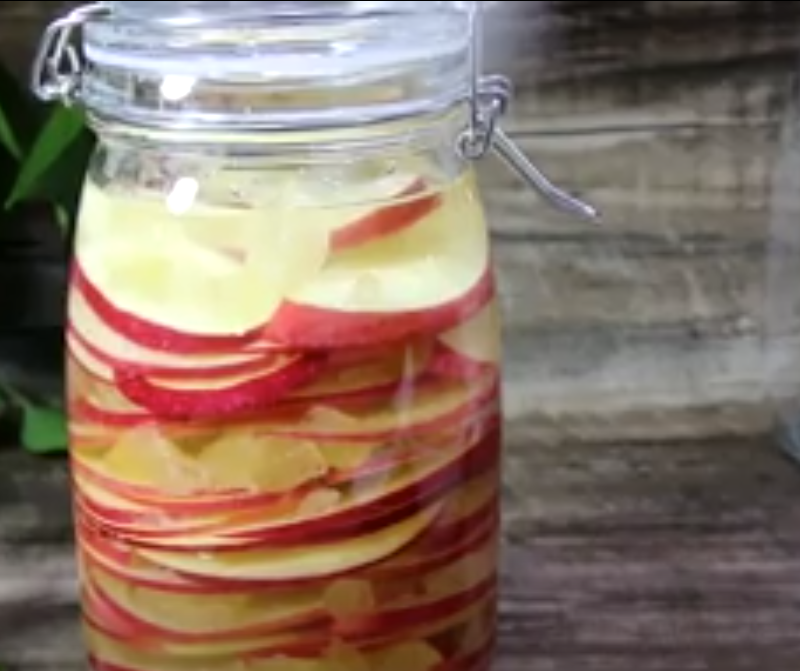
Pack the apple slices tightly into your clean glass jar. Leave at least 1–2 inches of space at the top for fermentation bubbles.
Step 3: Add the Salt
Sprinkle the salt over the apples. Salt helps inhibit harmful bacteria while encouraging beneficial lactobacillus strains to thrive.
Step 4: Add Water
Pour filtered or spring water over the apples until they are fully submerged. Tap water containing chlorine may interfere with fermentation, so avoid it if possible.
Step 5: Weigh the Apples Down
Use a fermentation weight or a piece of apple to keep all slices underwater. Exposure to air can cause mold.
Step 6: Cover the Jar
Use either:
- a cloth secured with a rubber band (allows airflow), or
- a fermentation lid with an airlock (best for beginners)
Step 7: Ferment at Room Temperature
Place the jar in a cool, dark location for 2–7 days. Taste daily after 48–72 hours. The apples will gradually become:
- lighter in color
- slightly fizzy
- mildly tangy
- softer in texture
Step 8: Refrigerate
Once they taste pleasantly tangy and lightly fermented, transfer the jar to the refrigerator. Cold temperatures slow fermentation but continue to enhance flavor.
How to Use Fermented Apples Daily
Fermented apples are incredibly versatile. You can enjoy them:
- On an empty stomach first thing in the morning to boost digestion
- Before meals to activate digestive enzymes
- As a snack to improve gut flora and energy
- Added to salads for a tangy crunch
- In smoothies for a probiotic boost
- With yogurt or oatmeal for a breakfast upgrade
Even 2–3 apple slices per day can make a noticeable difference in gut comfort and immunity over time.
Flavor Variations (Optional But Delicious)
If you want to add a little creativity to your fermentation, try these natural additions:
1. Cinnamon Fermented Apples
Add 1 cinnamon stick during fermentation for a warm, cozy flavor.
2. Ginger Fermented Apples
Add a few slices of fresh ginger to enhance digestion and immunity.
3. Clove or Star Anise Apples
Perfect for fall—fragrant, spicy, and healing.
4. Lemon Fermented Apples
Add thin slices of lemon (with peel) for a bright, refreshing flavor.
5. Honey-Infused Fermented Apples
After fermentation is complete, stir in a tiny amount of raw honey before serving.
Safety Tips & Common Questions
Is it normal for bubbles to appear?
Yes! Bubbles indicate active fermentation. It means the good bacteria are thriving.
What if the water turns cloudy?
Cloudiness is normal and healthy—part of the fermentation process.
How do I know if it has gone bad?
- Fuzzy mold (white, green, or black) → discard
- Rotten smell (not tangy) → discard
- Apples above water line turning brown → unsafe
How long do fermented apples last?
Up to 4–6 weeks in the refrigerator — sometimes longer if kept submerged.
Can children eat fermented apples?
Yes — mild fermented apples are safe for most children, but always start with small amounts.
Health Benefits Backed by Modern Science
Fermented foods have been studied extensively for their benefits. Research supports that probiotics can:
- improve lactose digestion
- reduce bloating and constipation
- support nutrient absorption
- boost the immune response
- help decrease inflammation markers
- increase mental clarity and mood stability
While fermented apples specifically are less studied than kefir or sauerkraut, the underlying fermentation principles are the same — and the benefits are similar.
Why This Recipe Works So Well
The fermentation process used here is known as lacto-fermentation. This natural method relies on:
- the bacteria already present on apple skins
- a small amount of salt to suppress harmful microbes
- water to create an oxygen-free (anaerobic) environment
As beneficial bacteria consume the apple’s natural sugars, they produce lactic acid — a powerful preservative that also gives fermented foods their tangy flavor. This acid is what makes fermented apples probiotic-rich and gut-friendly.
Final Thoughts: A Simple, Powerful Step Toward Better Health
Fermented apples are one of the easiest homemade probiotic foods you can prepare. With only a few ingredients and minimal preparation time, you can create a deeply nourishing food that supports digestion, reduces inflammation, boosts immunity, and stabilizes energy.
What makes this recipe truly special is its simplicity — a reminder that wellness doesn’t have to be complicated or expensive. By incorporating fermented apples into your daily routine, you take a meaningful step toward improving your gut health and overall well-being.
Start your fermentation today and experience how a humble apple can transform your digestive health, energy, and immunity from the inside out.