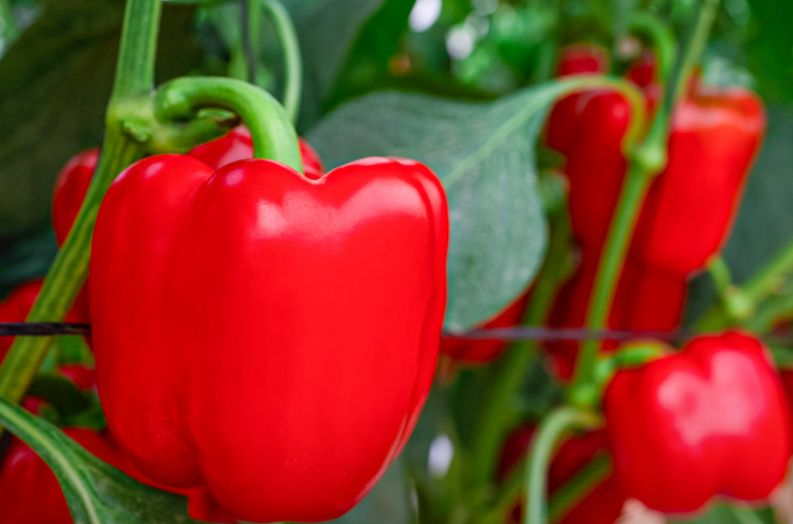
How to Grow Bell Peppers at Home: The Complete Step-by-Step Guide for Big, Healthy Harvests
Bell peppers—also known as sweet peppers or capsicums—are among the most rewarding vegetables to grow at home. Their vibrant colors, crisp texture, and naturally sweet flavor make them a favorite addition to salads, stir-fries, sandwiches, and garden-to-table meals. Whether you’re gardening in a spacious backyard or growing on a sunny balcony, bell peppers adapt beautifully when given warmth, light, and consistent care.
This comprehensive guide takes you far beyond the basics. Here you’ll learn step-by-step planting methods, expert tips, nutrient insights, troubleshooting solutions, and professional techniques used by experienced growers. With patience and proper care, even beginners can enjoy abundant, colorful bell pepper harvests at home.
🌱 Introduction: Why Bell Peppers Are Perfect for Home Gardening
Bell peppers thrive in warm climates and are well-suited for container gardening, raised beds, and traditional soil gardens. They come in a rainbow of colors—green, red, yellow, orange, purple, and even chocolate brown—each stage of ripeness offering different nutrients and flavors. Green peppers are simply unripe peppers, while red and yellow varieties are sweeter and richer in antioxidants.
According to Dr. Leila Nour, Horticultural Scientist at the Sustainable Food Institute, bell peppers are “one of the most nutrient-dense vegetables that can be easily grown at home, even by beginners. Their compact growth habit and high productivity make them an ideal choice for urban gardeners.”
Let’s break down everything you need to know—from choosing seeds to harvesting perfect peppers.
1. 🌶️ Start With Fully Ripe Seeds
Unlike many vegetables, you can grow bell peppers from seeds harvested directly from a store-bought pepper—as long as that pepper is fully ripe. Choose a large, fully red pepper, preferably organic or heirloom, since hybrid peppers may not produce identical plants.
🔍 How to Collect Seeds Correctly
- Select a fully matured bell pepper—bright red with a firm, glossy surface.
- Slice it open horizontally and scoop out the seeds.
- Spread them on a napkin or paper towel.
- Let them dry in a warm, shaded space for 3–5 days.
- Store in a labeled paper envelope until planting time.
Expert Tip from Prof. Mark Benson, Agricultural Consultant: “Seeds collected from ripe red peppers have a much higher germination rate than seeds taken from green peppers. Green peppers are immature and produce weak or sterile seeds.”
2. 🌿 Plant With Care: Soil, Temperature & Germination
Bell pepper seeds require warmth, moisture, and well-draining soil to germinate successfully. Peppers are tropical plants, so temperature plays an essential role in early growth.
🌱 Choosing the Right Soil
A light, fluffy soil mix works best. Use:
- 40% high-quality potting mix
- 30% compost
- 20% coco peat (or peat moss)
- 10% perlite or sand
This ensures moisture retention without waterlogging, which is crucial for preventing fungal diseases.
🔥 Ideal Germination Conditions
Bell pepper seeds germinate best when temperatures are consistently between 24–30°C (75–86°F). Cooler temperatures delay sprouting or prevent germination entirely.
Steps:
- Fill small pots or seed trays with your soil mix.
- Plant seeds 1 cm (½ inch) deep.
- Water lightly—don’t saturate the soil.
- Cover with plastic wrap or a humidity dome to retain heat.
- Place in a warm, bright location (but not under harsh sun).
Seeds typically sprout within 8–14 days.
3. 🌱 Transplant When Seedlings Reach 10 cm
Once seedlings reach about 10 cm (4 inches) tall and develop several true leaves, they’re ready to be transplanted into larger pots or the garden.
🪴 Hardening Off Before Transplant
Before moving seedlings outdoors, acclimate them gradually:
- Day 1–2: Place outdoors for 1 hour.
- Day 3–5: Increase to 3 hours.
- Day 6–7: Leave outdoors for half a day.
- After 7 days: Ready for transplanting.
This prevents transplant shock and strengthens the seedlings.
🌼 Best Time to Transplant
Transplant only when night temperatures stay above 15°C (59°F). Cold stress can stunt pepper growth permanently.
🪴 Container Size & Garden Spacing
If growing in pots, use:
- Minimum pot size: 3–5 gallons
- Ideal depth: 25–30 cm (10–12 inches)
For garden beds:
- Space plants 40–45 cm (16–18 inches) apart.
- Space rows 60 cm (24 inches) apart.
4. ☀️ Provide Plenty of Sunlight
Bell peppers need at least 6–8 hours of direct sunlight daily.
🌞 Why Sunlight Matters
Sunlight fuels flower and fruit production. Insufficient sunlight results in:
- Leggy, weak plants
- Low fruit yield
- Pale leaves
- Delayed ripening
If growing indoors or on a shaded balcony, supplement with grow lights for 10–12 hours daily.
5. 💧 Water Wisely: Moisture Matters
Bells prefer consistently moist—but not soggy—soil. Overwatering is a common mistake that leads to root diseases.
🥤 Best Watering Practices
- Water deeply once the top 2–3 cm (1 inch) of soil feels dry.
- Avoid spraying water directly on leaves.
- Use mulch to retain moisture.
- Ensure drainage holes are always open.
What to avoid:
- Standing water
- Daily shallow watering
- Wet foliage at night
These conditions promote fungal infections such as leaf spot and blight.
6. 🌿 Care & Maintenance for Healthy Growth
Regular care ensures strong plants and abundant harvests.
🌾 Fertilizing Schedule
Bell peppers are moderate feeders. Feed them every 2–3 weeks using:
- Compost tea
- Seaweed extract
- Organic vegetable fertilizer (low nitrogen formula)
Important: Too much nitrogen results in leafy growth but very few fruits.
🌿 Pruning & Cleaning
Remove:
- Yellow leaves
- Pest-damaged leaves
- Lower leaves touching the soil
Optional: Pinch the growing tip at 25–30 cm tall to encourage bushier growth.
🐛 Watch for Common Pests
Bell peppers may attract:
- Aphids
- Caterpillars
- Whiteflies
- Spider mites
Natural pest control spray:
- 2 garlic cloves
- 1 teaspoon dish soap
- 2 hot peppers
- 1 liter water
Blend, strain, and spray weekly.
7. 🫑 Harvest With Care for Continuous Production
Bell peppers are ready to harvest when they reach full size, firm texture, and rich color (green, red, yellow, or orange).
✂️ Harvest Tips
- Use scissors or garden shears—not your hands.
- Leave a short stem on the fruit to prolong freshness.
- Harvest early and often to stimulate more fruit production.
Green peppers mature fastest, while red peppers take the longest but offer the sweetest flavor.
🥗 Nutrition Table: Why Bell Peppers Are a Superfood
| Nutrient | Health Benefits | Amount (per 100g) |
|---|---|---|
| Vitamin C | Boosts immunity, skin health | 127 mg |
| Vitamin A | Supports eye health | 157 µg |
| Fiber | Improves digestion | 2.1 g |
| Potassium | Regulates blood pressure | 211 mg |
| Carotenoids | Antioxidant protection | High |
📘 Troubleshooting: Common Bell Pepper Problems & Solutions
🥀 Yellow Leaves
Causes: Overwatering or nutrient deficiency.
🍃 Dropping Flowers
Causes: Heat stress or poor pollination.
🧪 Small Fruits
Causes: Low potassium or insufficient sunlight.
🍂 Brown Spots on Leaves
Causes: Fungal infection—improve airflow and avoid wet leaves.
❓ Top 10 Frequently Asked Questions
1. Can bell peppers grow in pots?
Yes! They thrive in 3–5 gallon containers.
2. Do peppers need full sun?
They require at least 6–8 hours of sunlight daily.
3. How often should I fertilize?
Every 2–3 weeks with organic fertilizer.
4. Can I grow peppers from store-bought seeds?
Yes—if the pepper is fully ripe.
5. Why are my peppers bitter?
They were harvested too early.
6. What pests should I watch for?
Aphids, mites, caterpillars, and whiteflies.
7. Why are my peppers small?
They need more sunlight and potassium.
8. How long do peppers take to mature?
60–90 days after transplanting.
9. Should I prune bell pepper plants?
Optional—but pruning increases airflow and fruit size.
10. Can bell peppers grow indoors?
Yes—use strong grow lights for best results.
🌟 Final Thoughts
Growing bell peppers at home is easier than you might think. With proper seed preparation, warm temperatures, consistent watering, and plenty of sunlight, your plants will reward you with crisp, sweet, colorful peppers throughout the season.
Whether you’re gardening in containers, raised beds, or traditional soil, the joy of harvesting your own fresh bell peppers is unmatched. With the detailed steps and expert insights shared in this guide, you’re now fully equipped to grow strong, healthy, and highly productive pepper plants at home.
🌱 Happy gardening—and may your harvest be abundant! 🫑🌞