Pine Cone Syrup: A Newbie-Friendly Guide (Benefits, How to Make It, and Everyday Uses)
Pine cone syrup is one of those timeless, old-world remedies that feels both rustic and gourmet. 🌲✨ Made from young, green pine cones, this deep amber syrup captures the very essence of the forest—resinous, aromatic, gently sweet, and packed with the unmistakable freshness of pine. Historically crafted in mountain regions and forest communities, pine cone syrup is prized both as a natural throat soother and as a beautifully fragrant culinary ingredient.
This complete guide is designed for beginners—no special equipment, no complicated techniques, and no previous herbal experience required. You’ll learn how to harvest pine cones safely, make your own syrup step-by-step, store it correctly, use it in everyday cooking, and understand its traditional benefits. Expert insights, practical safety notes, and a full FAQ section ensure your experience is straightforward and rewarding.
What Makes Pine Cone Syrup Special?
Unlike typical fruit or herb syrups, pine cone syrup is made from immature cones—soft, green, and packed with volatile aromatic compounds such as α-pinene, β-pinene, limonene, and natural resins. These give the syrup its warming, forest-like scent and gentle botanical edge.
According to ethnobotanical researcher Dr. Leila Nour, “Young pine cones preserve the tree’s spring chemistry—resins, essential oils, tannins, vitamin C, and polyphenols—creating a syrup that carries both culinary depth and traditional wellness value.”
Potential Benefits (Traditional & Culinary)
While pine cone syrup is not a medical treatment, generations of traditional use and modern culinary curiosity highlight its unique versatility. Here are its most recognized benefits:
1. Soothing for Throat and Cough
Warm drinks with pine cone syrup have long been used to ease throat scratchiness and support comfort during seasonal irritation.
2. Aromatics for Clearer Breathing
The essential oils in pine—especially α-pinene—create that refreshing, “open airways” aroma when mixed into hot water or tea.
3. Mild Expectorant Effect
Folk traditions say it helps loosen stubborn mucus when stirred into warm drinks.
4. A Comforting Warm-Up Drink
A spoonful in hot water or milk creates a calming nighttime drink with soft, honey-like sweetness.
5. Gentle Digestive Lift
The very slight bitterness from young cones may support a lighter, more comfortable feeling after heavy meals.
6. Mood & Ritual
Slowly making and using pine cone syrup can feel grounding, aromatic, and meditative—almost like capturing the calm of the forest in a jar.
7. A Culinary Superpower
It transforms desserts, cocktails, roasted vegetables, and glazes with a unique, aromatic twist.
8. Antioxidant Notes
Pine contains vitamin C, polyphenols, and other plant compounds. While the syrup is not a supplement, it does retain a small portion of these beneficial phytochemicals.
Note: Pine cone syrup is a traditional kitchen remedy and specialty sweetener—not medical advice. For persistent symptoms, consult a healthcare professional.
Nutritional & Botanical Snapshot
| Compound / Component | Found In | Potential Benefit |
|---|---|---|
| α-Pinene | Green cones, pine resin | Refreshing aroma; used traditionally for breathing comfort |
| Polyphenols | Pine needles & cones | Antioxidant support |
| Vitamin C (trace) | Young cones | General immune support |
| Tannins | Pine cone skins | Mild astringent, digestive-soothing potential |
| Natural Sugars (from the recipe) | Syrup preparation | Energy, sweetness, culinary versatility |
How to Identify and Harvest Young Pine Cones
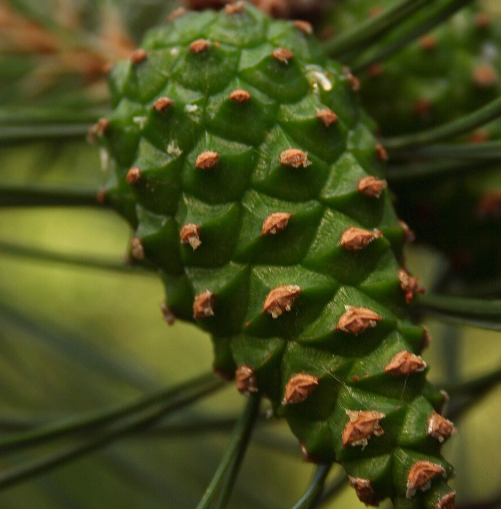
Successful syrup starts with the right cones. Here’s what to look for:
- Size: 1–2 cm (thumbnail-sized)
- Color: Bright green
- Texture: Soft enough to pierce with a fingernail
- Time of Year: Typically spring to early summer
Tip: Avoid brown, woody, or fully mature cones—they’re too tough and lack the aromatic compounds needed for syrup.
Botanist Prof. Mark Benson recommends harvesting “no more than 10–15% of young cones from a single branch to protect the tree’s natural growth cycle.”
How to Make Pine Cone Syrup (Beginner-Friendly Recipe)
This version uses a simple, traditional method: layering green cones with sugar, letting them release their juices, then gently heating.
Ingredients
- 2 cups young green pine cones
- 2 cups sugar (white or raw cane)
- Optional: a few drops lemon juice or a strip of citrus peel
Step-by-Step Instructions
1. Clean the Cones
Rinse briefly and shake dry. Don’t soak—this removes beneficial resins.
2. Layer Cones and Sugar
Place cones in a clean jar, alternating layers of sugar and cones until full.
3. Let Nature Do the Work
Seal the jar and leave it in a warm, sunny spot for 7–20 days. The sugar will draw out resinous juices, creating a thick syrup base.
4. Strain & Heat
Pour the mixture into a small pot. Warm gently on low heat for 10–15 minutes (don’t boil). The syrup will turn deep amber.
5. Bottle & Label
Strain out the cones and store the syrup in a sterilized jar. It thickens slightly as it cools.
Storage Tips
- Keep in the refrigerator for 6–12 months.
- Always use clean utensils to avoid contamination.
- If the syrup crystallizes, warm gently to liquefy.
Everyday Uses for Pine Cone Syrup
This syrup is incredibly versatile—from wellness drinks to gourmet cooking. Here’s how to use it:
1. Pine Syrup Tea
Stir a spoonful into hot water for a soothing, aromatic drink.
2. Throat-Warming Nightcap
Add to warm milk or plant milk for a calming evening ritual.
3. Sweeten Coffee or Latte
Creates a cozy, forest-infused sweetness perfect for autumn and winter.
4. Drizzle Over Pancakes or Waffles
A fragrant alternative to maple syrup.
5. Salad Dressings
Blend with olive oil, lemon juice, and mustard for a bright, aromatic dressing.
6. Cocktail Enhancer
Add to gin, bourbon, or vodka cocktails for an alpine twist.
7. Meat & Vegetable Glazes
Brush onto roasted carrots, ribs, chicken, or mushrooms for a resinous-sweet finish.
8. Dessert Drizzle
Perfect on vanilla ice cream, yogurt bowls, fruit, or cakes.
For more recipe inspiration, explore additional culinary ideas at your preferred recipe website.
Safety Tips & Precautions ⚠️
- Avoid if you have pine or evergreen allergies.
- Do not use cones from treated landscapes or areas sprayed with chemicals.
- Do not harvest cones from yew (Taxus)—yew is poisonous.
- If pregnant or breastfeeding, consult a professional before consuming wild plant products.
- Pine cone syrup is not suitable for infants under one year (like all syrups).
Frequently Asked Questions (FAQs)
1. Which pine species can I use?
Most edible pines work: Scots pine, white pine, black pine, and many firs/spruces. Avoid yew.
2. Can I use mature brown cones?
No—only young, soft, green cones work for syrup.
3. Does pine cone syrup contain alcohol?
No. It’s sugar- and heat-based.
4. How long does the syrup last?
Up to one year in the refrigerator when stored properly.
5. Can children use pine cone syrup?
Older children can enjoy small amounts; not for babies under one year.
6. Does heating destroy the beneficial compounds?
Some volatiles evaporate, but many aromatic and resinous compounds remain.
7. Why does my syrup crystallize?
Because of high sugar content—reheat gently to fix it.
8. Can I make a sugar-free version?
No—sugar is required to extract the cone juices and prevent spoilage.
9. Does it taste like pine needles?
Yes, but much sweeter—like honey with a woody, foresty edge.
10. Can I eat the cones after making the syrup?
Yes! They become candied and can be chopped into baked goods or eaten as a forest-style treat.
Final Thoughts
Pine cone syrup is one of the easiest and most rewarding forest kitchen projects a beginner can try. It takes only a few ingredients, no special tools, and just a bit of patience. The result is a beautiful aromatic syrup that offers both comfort in warm drinks and depth in gourmet recipes. 🌲🍯
Whether you’re exploring traditional foods, building a natural pantry, or simply looking for unique culinary inspiration, pine cone syrup is a magical and delicious place to begin.