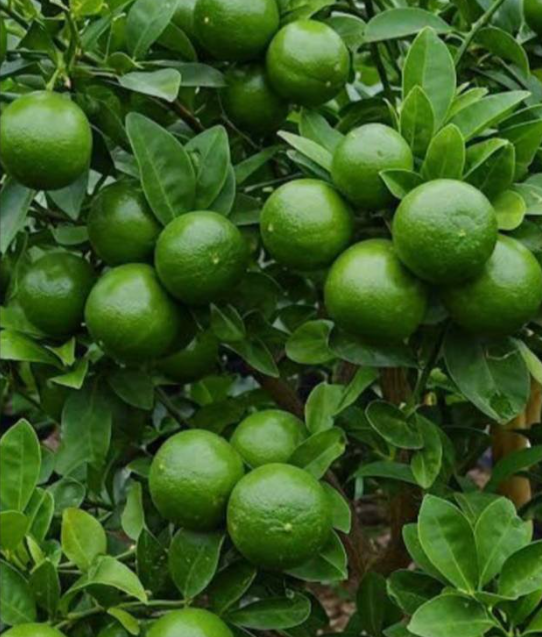
🍋 How to Make Your Lemon Trees Produce Fruit All Season Long
If you’ve ever wished your lemon trees could keep producing juicy fruit more often, you’re not alone. Citrus growers around the world use a clever method called controlled dehydration to encourage their trees to bloom more frequently and set fruit multiple times per year. When done correctly, this technique is safe, natural, and incredibly effective.
Below is a simple guide on how controlled dehydration works — and how you can use it at home or on your farm to enjoy more lemons throughout the year. 🌿
1️⃣ The Dehydration Phase (March–April)
During this initial step, you intentionally stop watering your lemon tree for 4 to 8 weeks. Yes… it feels strange! But this strategic, mild stress mimics the natural dry season that citrus trees experience in the wild.
Why This Works
In nature, citrus trees respond to drought by dropping old flowers and slowing growth. As soon as the rains return, the sudden moisture triggers a massive flush of blooms. Controlled dehydration recreates this exact pattern.
- Signals the tree to reset its flowering cycle
- Encourages the shedding of old or unproductive blossoms
- Prepares the tree for a strong bloom during rehydration
Important: Only healthy, pest-free trees should undergo this phase. Weak trees shouldn’t be stressed.
2️⃣ Rehydration & Feeding Time (May)
Once the dry period ends, your lemon tree is ready for a dramatic shift. Water it deeply to rehydrate the root zone and follow this with a dose of organic fertilizer. This sudden moisture + nutrition combination is what triggers new buds to break.
Best Fertilizers for Rehydration
- Well-balanced citrus fertilizer (e.g., 5-2-6 or 6-3-3)
- Organic compost or worm castings
- Seaweed or kelp extract for flower stimulation
- Slow-release pellets to maintain steady nutrition
The result? A strong flush of fresh blooms — and right behind them, tiny developing lemons! 🍋✨
3️⃣ The Fast Fruiting Phase
Because the tree has been “reset,” this new wave of flowers often develops into fruit much faster than the normal yearly cycle. Many growers use this trick to get a second crop or extend their fruiting season.
What You Can Expect
- More blossoms than usual
- Stronger, more uniform fruit set
- Better-tasting lemons due to organic feeding
- A more predictable harvest window
It’s like giving your lemon tree a gentle nudge to keep producing year-round.
🌱 Pro Tips for Success
✔ Timing Is Everything
Start dehydration between March and early April. Doing it too late may interfere with summer heat and stress the tree too much.
✔ Use Clean, Fresh Water
When rehydrating, use filtered or rainwater if possible. Citrus trees dislike salty or mineral-heavy water.
✔ Go Organic for Better Flavor
Organic fertilizers lead to richer soil, healthier roots, and tastier lemons.
✔ Inspect Before You Begin
Look for pests like:
- Aphids
- Leaf miners
- Scale insects
- Spider mites
A tree under pest pressure should not be dehydrated — treat it first.
✔ Mulch After Rehydration
Add a layer of mulch (wood chips, straw, shredded leaves) to help the soil retain moisture after the deep watering phase.
🌿 Extra Boosters for Continuous Fruiting
Want even more lemons throughout the year? Combine controlled dehydration with these grower-approved practices.
- Regular light pruning to improve airflow and sun exposure
- Full sunlight — citrus needs at least 6–8 hours per day
- Monthly seaweed foliar spray during growing months
- Correct pot size if grown in containers (too small = poor fruiting)
⚠️ Safety Notes — Don’t Skip These!
- Never dehydrate young lemon trees (under 2 years).
- Avoid this technique during extreme heat waves.
- If leaves begin to curl excessively or turn crispy, rehydrate early.
- Trees in containers dehydrate faster — monitor them closely.
- Sandy soils may require shorter dehydration periods.
🍋 Final Thoughts
This simple yet powerful method of controlled dehydration is widely used by citrus growers to stimulate more frequent blooming and fruiting. When done correctly, it helps your lemon tree reset, reflower, and produce more fruit over a longer season — naturally and without chemicals.
Remember: a little stress can go a long way… especially for lemons! 🍋🌿
Give your lemon tree this gentle nudge and enjoy the rewards of fresh, homegrown lemons almost all year long.