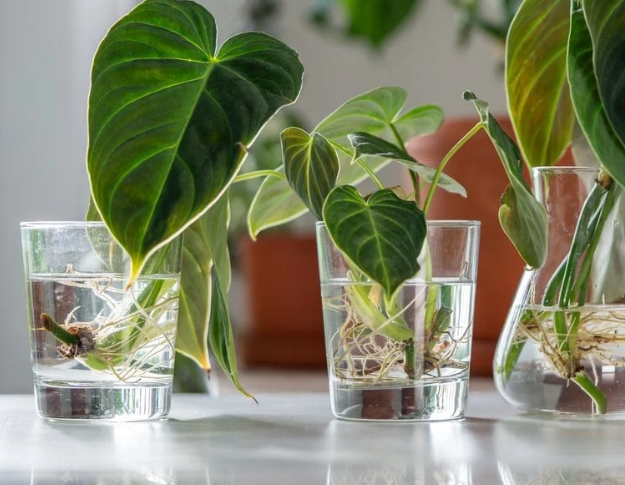
11 Houseplants You Can Propagate From Cuttings in December — Grow Green Indoors All Winter 🏡
December can feel like a slow month for gardening — outside, cold winds or short days may limit what you can do. But indoors, there’s a cozy opportunity: propagating houseplants. With stable temperatures, indoor heating, and the comfort of home, it’s one of the best times to create new plants from cuttings, even while the garden rests outside. If you’ve ever wanted to expand your plant collection, share plants with friends, or just enjoy the soothing ritual of rooting cuttings — now is a great time.
Here’s a guide to 11 of the most reliable houseplants you can propagate from cuttings (or offsets) in December — plus how to do it step‑by‑step for success.
Why December (or Winter) Is Actually a Good Time for Indoor Propagation
- Steady indoor temperature: Central heating or indoor warmth keeps conditions relatively stable — avoiding the stress of cold or fluctuating outdoor temperatures. That helps delicate new cuttings root without shock.
- You’re indoors more often: That means you can easily check on your cuttings, change water (if rooting in jars), adjust humidity, and give them light — all with minimal effort. It’s ideal for “babysitting” new plants.
- Low‑maintenance winter project: While winter slows down outdoor plants, indoor propagation doesn’t demand heavy watering or complicated care — just attention, patience, and a little light.
- Ready for spring growth: Any plants you successfully root now will be well established by spring when light increases — giving you a head start for lush growth as days lengthen.
- Affordable & rewarding: Propagation costs little or nothing (just cuttings, jars, soil), yet gives you brand‑new plants — perfect for building your indoor garden or gifting to friends.
11 Houseplants Perfect for December Cuttings
Below are 11 houseplants that are known for being robust, forgiving, and easy to propagate — many can root in water or soil, and don’t mind lower light or slower growth typical of winter. I include a short description and a propagation note for each.
—
Pothos (Devil’s Ivy / Epipremnum aureum)
::contentReference[oaicite:1]{index=1}
One of the easiest and most forgiving houseplants — pothos is ideal for beginners. Cut a 4–6 inch healthy stem below a leaf node, remove any lower leaves, and place the cutting in water (or directly into soil). Roots often appear within 1–2 weeks. :contentReference[oaicite:2]{index=2}
—
Philodendron (many trailing/ vining types)
::contentReference[oaicite:4]{index=4}
Much like pothos, many philodendrons propagate easily from stem cuttings. Choose a healthy stem with 1–2 nodes and at least a few leaves; root it in water or moist soil. Both methods work — and philodendron tends to do well even in cooler, lower‑light indoor conditions. :contentReference[oaicite:5]{index=5}
—
Spider Plant (Chlorophytum) — via plantlets or division
::contentReference[oaicite:7]{index=7}
Spider plants produce small “pups” or plantlets that can be removed and rooted easily — usually in water or directly in soil. Because they already have tiny roots or root‑ready nodes, December propagation is often successful. Many propagation guides list spider plants among the easiest houseplants to multiply. :contentReference[oaicite:8]{index=8}
—
Peperomia (many varieties)
::contentReference[oaicite:10]{index=10}
Peperomias — with their diverse leaf shapes and compact habits — are great for small indoor spaces. Many can be propagated from stem cuttings or even leaf cuttings, depending on the species. A moist, well‑draining potting mix helps encourage root growth. :contentReference[oaicite:11]{index=11}
—
Snake Plant (Sansevieria / Dracaena trifasciata) — via leaf cuttings or division
::contentReference[oaicite:13]{index=13}
Though not all houseplants handle cutting‑propagation equally, snake plant is a notable exception — many recommend leaf cuttings or division as viable methods. In low‑light, low‑maintenance indoor spaces, snake plant cuttings may root and grow slowly, but reliably. :contentReference[oaicite:14]{index=14}
—
ZZ Plant (Zamioculcas zamiifolia) — leaf or stem cuttings
::contentReference[oaicite:16]{index=16}
Known for being tough and forgiving, the ZZ plant can be propagated via leaf or stem cuttings — though it may take longer than vining plants. For a slow‑growing houseplant that tolerates low light and dry indoor air, it’s a strong candidate when starting cuttings in winter. :contentReference[oaicite:17]{index=17}
—
Jade Plant (Crassula) — via leaf or stem cuttings
::contentReference[oaicite:19]{index=19}
Succulents like jade plant are often overlooked — but they’re excellent for indoor propagation. A single leaf or a small stem cutting placed in dry, well‑draining soil can root successfully. Because the plant tends to grow slowly and prefers moderate light, winter propagation can work if you’re patient. Many succulent propagation guides list it among easy indoor succulents to multiply. :contentReference[oaicite:20]{index=20}
—
Dieffenbachia (Dumb Cane)
::contentReference[oaicite:22]{index=22}
Many cane-type houseplants — like Dieffenbachia — can be propagated via stem cuttings or cane cuttings. Take a healthy segment of stem (with at least one node), place it in water or a moist potting mix, and roots will eventually form. This method is commonly recommended for houseplant propagation. :contentReference[oaicite:23]{index=23}
—
Dracaena (some varieties, cane‑type)
::contentReference[oaicite:25]{index=25}
Cane‑type indoor plants such as dracaena species are also suitable for propagation from cuttings. Whether you choose water rooting or soil propagation, a cane cutting with a node can produce roots over time. Many houseplant guides include dracaena as easy-to‑propagate candidates. :contentReference[oaicite:26]{index=26}
—
Succulents (various types — leaf or stem propagation)
::contentReference[oaicite:28]{index=28}
Many succulent houseplants (depending on species) can be propagated by leaf or stem cuttings. Because succulents tend to be drought‑tolerant and slow‑growing, they adapt well to indoor winter conditions — they don’t need frequent watering or intense light to root successfully. Propagation guides for indoor plants often include succulents among the easiest to multiply. :contentReference[oaicite:29]{index=29}
—
Chinese Evergreen (Aglaonema)
::contentReference[oaicite:31]{index=31}
Many hardy, low‑light indoor plants like Chinese Evergreen are also suitable for stem or division propagation. For plants that don’t like direct sunlight — typical in winter — they stay comfortable indoors while you work on their cuttings. Guides for houseplant propagation frequently list Chinese Evergreen among the manageable varieties for beginners. :contentReference[oaicite:32]{index=32}
—
How to Propagate Houseplants — General Methods & Winter Tips
Propagation can be achieved via several techniques — each with strengths depending on the plant type. Here’s a quick overview, and how to adapt them for December.
- Water propagation: Great for vining plants like pothos or philodendron. Cut a healthy stem below a node, remove lower leaves, and place it in a jar of clean water. Change water regularly (every few days). Once roots are a few centimeters long, pot into soil. :contentReference[oaicite:33]{index=33}
- Soil propagation (stem or leaf cuttings): For plants that root better in soil (e.g. succulents, peperomias, snake plants), place the cutting in moist but well‑draining potting mix. Keep soil lightly moist until roots establish. :contentReference[oaicite:34]{index=34}
- Division or offsets: For plants like spider plants, Chinese evergreen, or some succulents — remove offsets or divide root clumps, then pot separately. This is often easier and more reliable than rooting cuttings. :contentReference[oaicite:35]{index=35}
- Leaf‑cuttings (for succulents or certain thick‑leaf plants): Remove a leaf (or part of it), let it callous if needed (especially succulents), then place in soil or water depending on species — roots/new plantlets eventually form. :contentReference[oaicite:36]{index=36}
Winter & December-specific Tips
- Light: While winter days are short and light may be weaker, place cuttings near bright windows (but avoid harsh direct sun) or use a grow‑light if available. Indirect light is usually enough — many houseplants tolerate lower light well.
- Temperature & humidity: Indoor heating helps keep a stable warm temperature. If indoor air is dry (common with heaters), consider placing a shallow tray of water nearby or lightly misting to raise humidity — but avoid over‑moisture, which can cause rot.
- Clean tools & healthy parent plants: Use clean, sharp scissors or pruning shears; always take cuttings from healthy, vigorous plants (no pests, no disease, no yellowing leaves). This improves success rates. :contentReference[oaicite:37]{index=37}
- Patience: Rooting may be slower in winter because growth rates drop. Don’t expect rapid development — but many cuttings will root given 2–4+ weeks (or more).
- Check regularly: Refresh water for water‑rooted cuttings; if soil‑rooted, keep it moist (but not soggy). Monitor for rot, mold, or drying out.
Troubleshooting Common Issues When Propagating in Winter
Propagation isn’t always 100% successful — especially in winter when light and humidity may be lower. Here are common problems and how to address them:
- Cuttings rot or turn mushy: Likely due to too much moisture or low light. Remedy: trim away rotten parts, reduce watering, improve air circulation, or move to brighter spot. Use sterile tools to prevent infection.
- No root formation after several weeks: Could be too cold, too dark, or low humidity. Try warming the environment (e.g. near but not too close to a heater), giving indirect bright light, or increasing humidity. Alternatively — re‑take a cutting from a healthier part of the plant.
- Leaves yellow or drop: This may be stress from cutting or change of environment (light, humidity). Keep soil or water conditions stable, avoid direct drafts, and give time — many plants bounce back once roots form.
- Slow growth after rooting: Normal in winter. Once daylight increases (spring) and temperatures rise, plants generally resume more vigorous growth. Be patient — avoid overfeeding or heavy repotting until growth picks up.
Why This Works — And What to Expect
Propagation works because many houseplants have the ability to generate new roots from stem nodes, leaf bases, or plantlets. Even in winter, as long as conditions are stable (light, warmth, moisture), they can successfully root — albeit more slowly than in peak growing season. As explained by horticulture‑based propagation guides, the main methods — water rooting, soil cutting, division — remain valid year‑round. :contentReference[oaicite:38]{index=38}
That said, success depends heavily on the health of the parent plant, quality of cuttings, and how well you manage environmental factors (light, humidity, water). Don’t be discouraged if some attempts don’t succeed — propagation often involves trial and error. But many hopeful cuttings will surprise you and root beautifully, giving you “baby plants” just in time for spring. 🌿
Quick Propagation Checklist — What to Do Right Now
- Choose a healthy parent plant — free from pests or disease.
- Use clean, sharp scissors or pruning shears to take a cutting (stem, leaf, or offset depending on plant).
- Remove any lower leaves that would sit in water or soil — to prevent rot.
- Place cutting in a small jar of clean water or a pot with moist, well‑draining potting mix (depending on plant type).
- Place in bright, indirect light and maintain warmth + moderate humidity (avoid drafts and overly dry air).
- Check regularly — change water every few days (if using water), or monitor soil moisture (if using soil). Look for roots after 1–4+ weeks.
- Once roots are established (few cm long), pot up in proper potting soil, take care gently, and acclimate slowly to usual indoor conditions.
Conclusion — A Cozy Winter Ritual That Brings Life 🌱
For many plant lovers, winter can feel slow. But propagating houseplants in December is like a small ritual of hope and renewal. A few snips, a glass of water (or a pot), and some patience — and weeks later, you get brand‑new plants, ready to grow with the increasing light of spring. Whether you’re a seasoned plant parent or a beginner, propagation is a fun, low‑cost way to expand your collection, recycle healthy plants, and keep greenery alive through the cold months.
So grab a pair of scissors — or a clean knife — take a cutting from a healthy plant, and give it a chance. With a little care, your winter windowsill could turn into a lush nursery of baby houseplants by spring. 🌿✨